What exactly is a sensitive scalp?
It is a complaint, not a disease: the scalp burns, itches or stings with stimuli that used to be well tolerated, such as a shampoo, heat or combing. There may be red skin and scaling, or the skin may look normal. The cause may be irritation, allergy, eczema, seborrheic dermatitis or something else, and this is what the appointment seeks to understand. So, instead of guessing and trying products at random, it is safer to let the doctor examine the skin, hear the history and propose an approach. So, instead of trying to guess and trying products at random, it is safer to let the doctor examine the skin, hear the history and propose an approach.
How do I know whether it is allergy or irritation?
At home it is difficult to tell them apart. Irritation occurs in anyone with repeated contact and usually improves when the product is stopped. Allergy is a reaction of the immune system to an ingredient and may appear hours or days later. When it persists or returns, the doctor may propose contact tests, and bringing the products you use helps a great deal. Until then, the most useful thing is to stop the suspect product, if possible, and note what happened and when. Until then, the most useful thing is to stop the suspect product, if possible, and note what happened and when.
Is it the same as seborrheic dermatitis?
Not necessarily. Seborrhoeic dermatitis is a chronic skin condition, with redness and yellowish scales, and the itching is usually slight. Sensitive scalp is a complaint that may have this cause, but also irritation, allergy or eczema. They may coexist, and some allergic reactions are mistaken for seborrhoeic dermatitis, which is why assessment is important. Examination of the skin and, if useful, trichoscopy help to tell them apart, and the treatment of one is not the same as that of the other.
And scalp pain, is it the same thing?
It may seem so, but it is not the same. Pain or burning with normal-looking skin is called trichodynia and is usually associated with hair loss. It has no specific treatment and the diagnosis is one of exclusion, that is, the doctor starts by ruling out other causes. If you have constant pain or hair loss, book an appointment. It is also useful to know whether the pain appears only when combing or on touch, or whether it is constant, because this guides the assessment. It is also useful to know whether the pain appears only when combing or on touch, or whether it is constant, because these differences guide the assessment.
Are home tolerance tests useful?
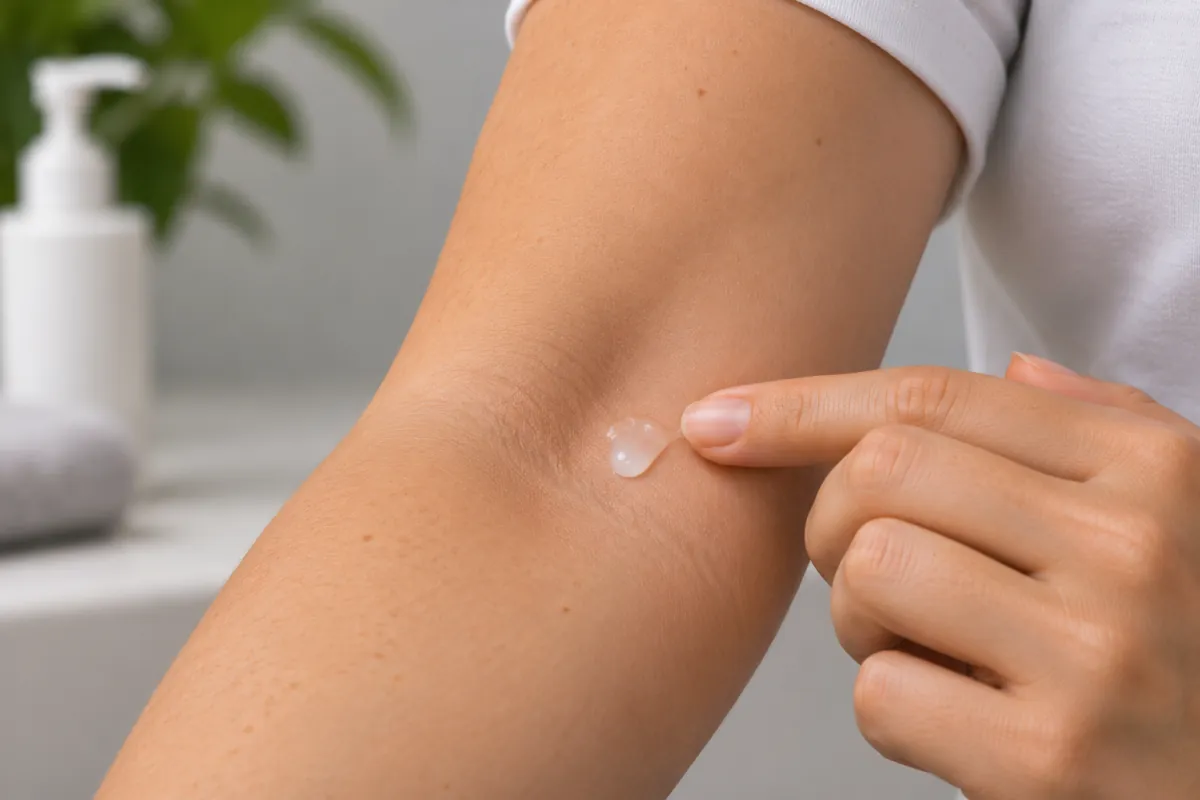
They serve as a warning, not as proof. Applying a drop of product to the crook of the elbow and observing over the following hours and days may reveal a strong reaction, but a result with no reaction does not guarantee that there is no allergy on the scalp. For a suspected allergy, the doctor may propose contact tests with your own products. A home test never replaces medical assessment when the discomfort persists. It is worth remembering that a home test never replaces medical assessment when the discomfort persists.
Do sulphate-free shampoos solve the problem?
They may be gentler for some people, but they do not solve everything. What matters is the whole picture: the type of detergent, the fragrance, the preservatives, how often you wash and the water temperature. A sulphate-free shampoo that contains fragrance or another ingredient that does not agree with you will still irritate. The best guidance is to choose a simple product and test it. Try only one product at a time and notice whether your skin improves or worsens before drawing conclusions. Try only one product at a time, for some time, and notice whether your skin improves or worsens before drawing conclusions.
What treatments does the clinic use?
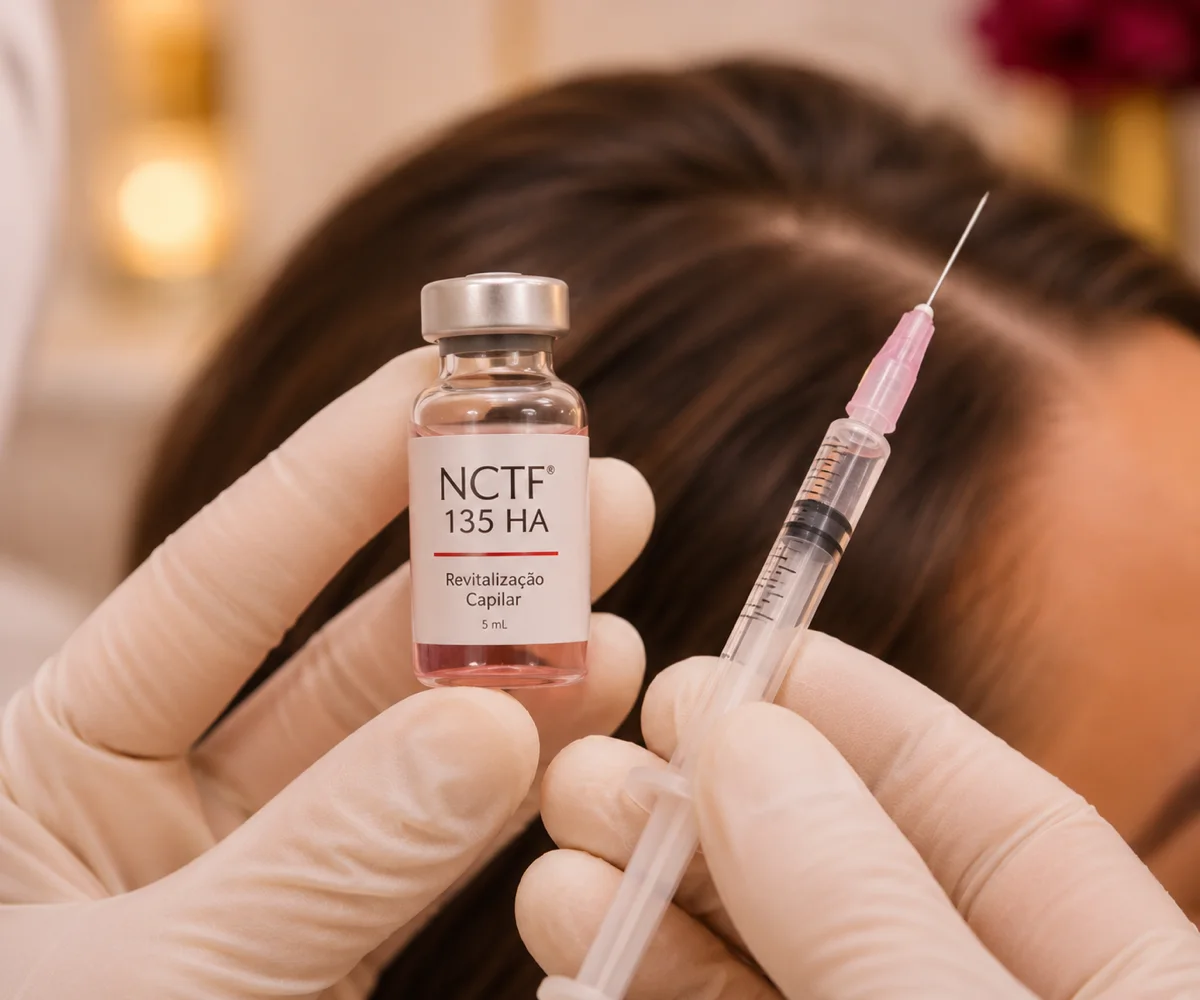
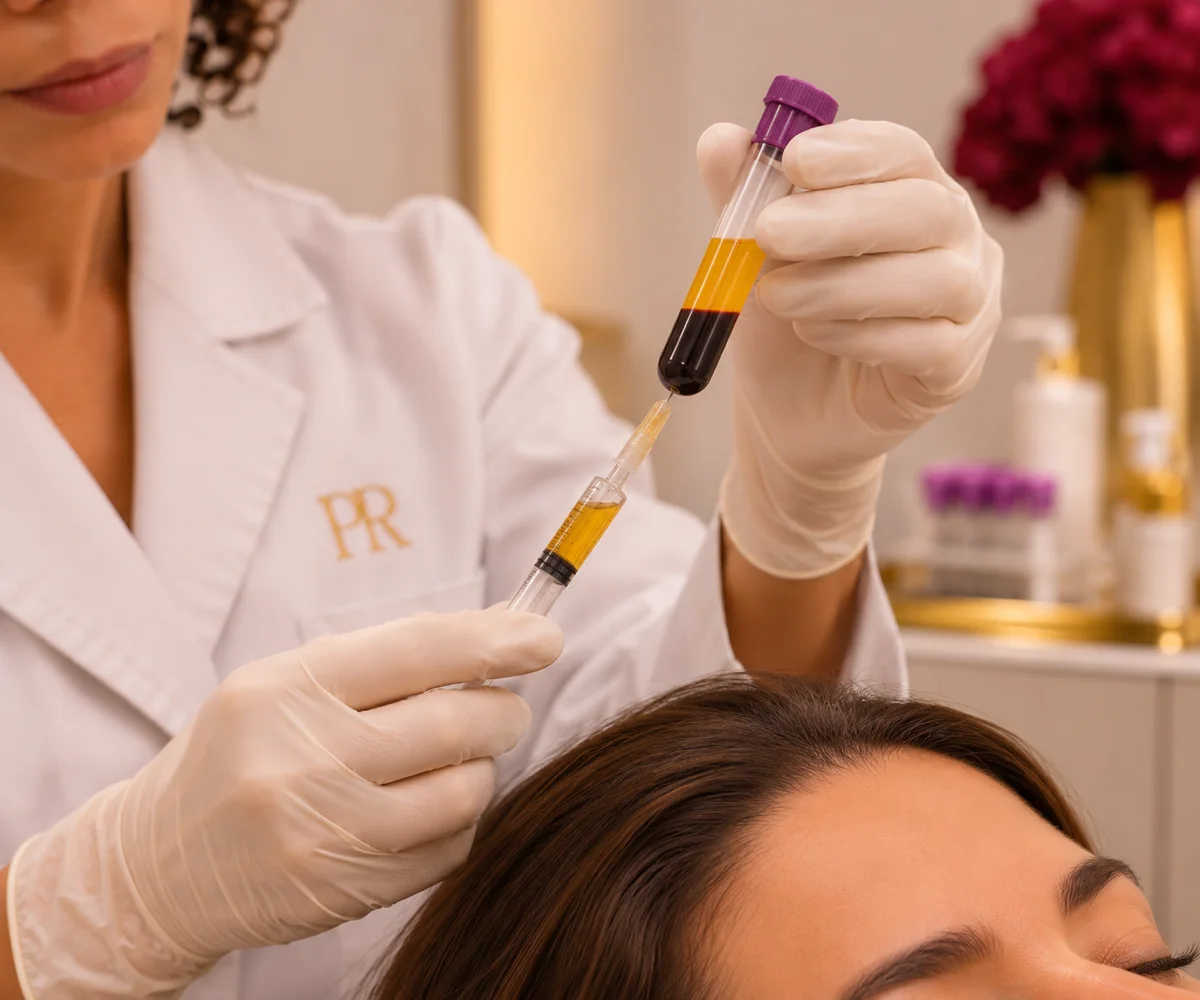
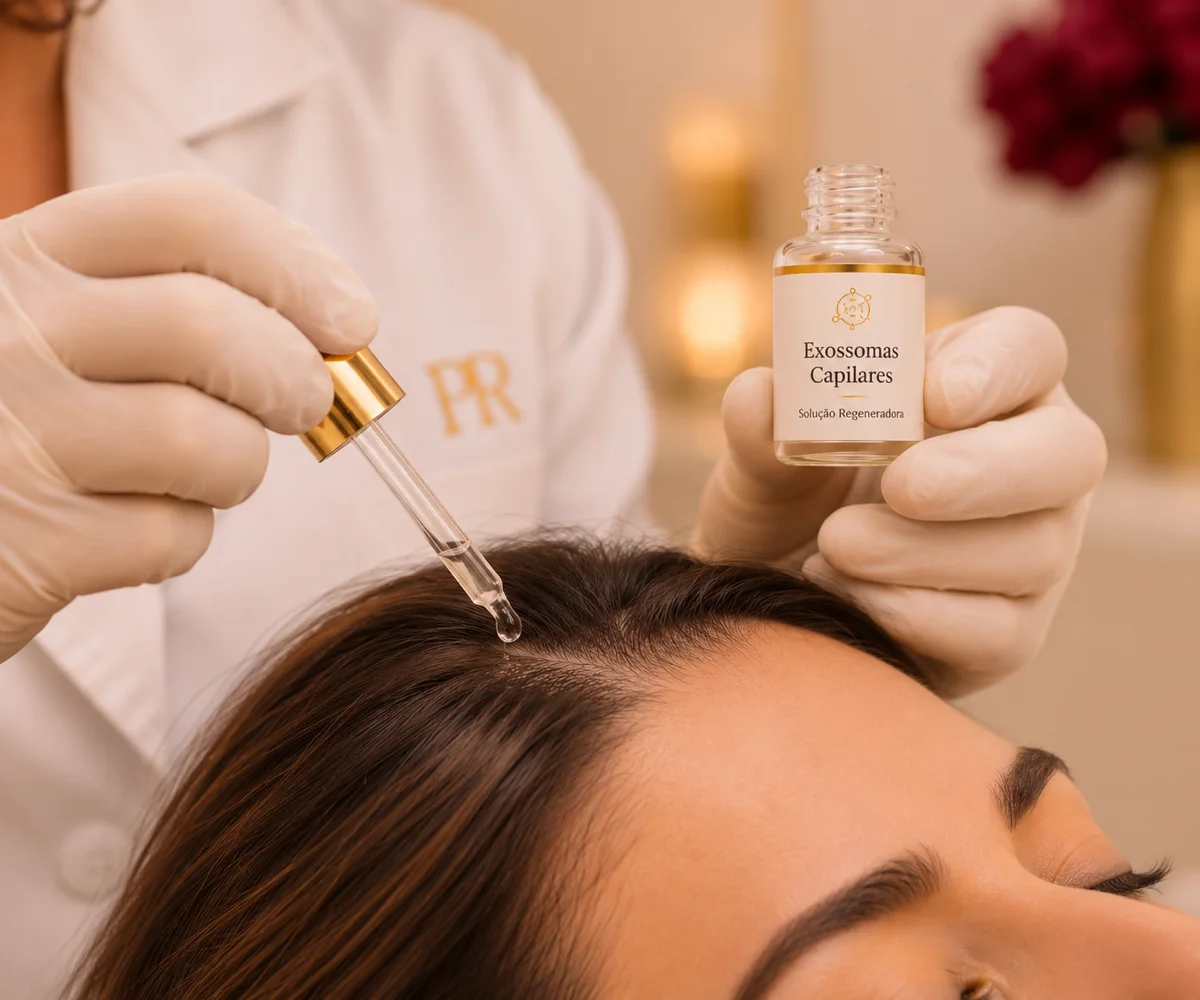
First of all, treatment of the cause: stopping the product that irritates, treating the seborrhoeic dermatitis or eczema and simplifying your care. Depending on the case, and if there is associated finer hair, the doctor may propose hair NCTF, hair PRP or hair exosomes, with limited evidence. None is chosen before the assessment appointment. We also explain what maintenance care is, so that the problem does not return with every change of season.
Does an injectable treatment repair damaged hair?
No. The hair shaft that has already grown is not alive and cannot be repaired with injections. These treatments act on the scalp and the follicle, that is, on the hair that grows. In someone with a scalp that is merely sensitive, they do not always make sense, and the doctor explains whether they are suitable for your case before any decision. If this is your case, the priority remains calming the skin and understanding the cause.
How long does it take to improve?
It depends on the cause. When it is an irritating product that you stop using, the skin usually calms down gradually. When there is seborrhoeic dermatitis or eczema, control is gradual and may require maintenance, because they tend to return. The doctor explains what is realistic for you and schedules a review after a few months. It is not advisable to expect quick results or to change products every two weeks, because this delays the skin's recovery. It is not advisable to expect quick results or to change products every two weeks, because this delays the skin's recovery.
Can I dye my hair again?
It depends on what happened. If you had burning, swelling or a strong reaction, you should not repeat the dye without assessment, because the next reaction may be worse. The doctor may propose contact tests and, depending on the result, alternatives. Always wait for the skin to recover before dyeing again. If you still want to dye, tell the doctor beforehand, to see whether there is a safer alternative.
Can stress cause a sensitive scalp?
Stress and lack of sleep can worsen seborrheic dermatitis and make the discomfort more noticeable. Some people also feel pain or burning with no visible changes, which is associated with trichodynia. This does not mean that "it is all in your head": the sensation is real and deserves assessment, with attention to the whole picture. Asking how you have been sleeping, what has changed in your life and whether the discomfort worsens at certain times helps to understand the pattern, without judgement. Asking how you have been sleeping, what has changed in your life and whether the discomfort worsens at certain times helps to understand the pattern, without judgement.
What should I bring to the appointment?
Bring the bottles or photographs of the labels of all the products you use on your hair, including dyes, sprays and serums, and the list of medicines. Note when it began, what makes it worse and what relieves it. If the complaint appears after a dye, say when that was. The more detail, the easier it is for the doctor to find the cause. If you have already had tests or earlier appointments for this reason, bring those results too, as they avoid repeating what is already known.
When should I book a consultation?
If the discomfort lasts more than a few weeks, if it keeps coming back or if you have already changed products without improvement. You do not need to wait until it becomes unbearable, and it is better to come early than to try several products that may worsen the irritation. Pain, sores, marked scaling, strong redness, sudden hair loss or patches that appear quickly should be seen without delay, because they usually have another cause.
Can I wash my hair on the day of the appointment?
You may, and it is best for your scalp to be as it usually is. If you have scaling or redness that you want to show, it is best not to disguise it or apply new products that day. Tell the doctor how you have been washing your hair lately, with which product and how often. The assessment works best with the skin in its usual state, and no special preparation is needed beyond bringing information about the products you use.