
Algés, Oeiras Mon to Sat · 09:00 to 13:00 and 14:00 to 19:00
WhatsApp Book a consultation

Hair problem

Receding hairlineWhen the forehead looks bigger and the hairline keeps rising, in men and in women

A forehead that looks higher may be just the normal maturing of the hairline, or the start of a recession that deserves assessment. The difference is not always visible in the mirror. Here we explain how to tell them apart, how to monitor the progression and what the clinic can offer.

Reviewed by Dr Michelle Campagnoli, clinical director

  • 3treatments the clinic may suggest
  • 1assessment consultation, always first
  • 70 €assessment booked through the website
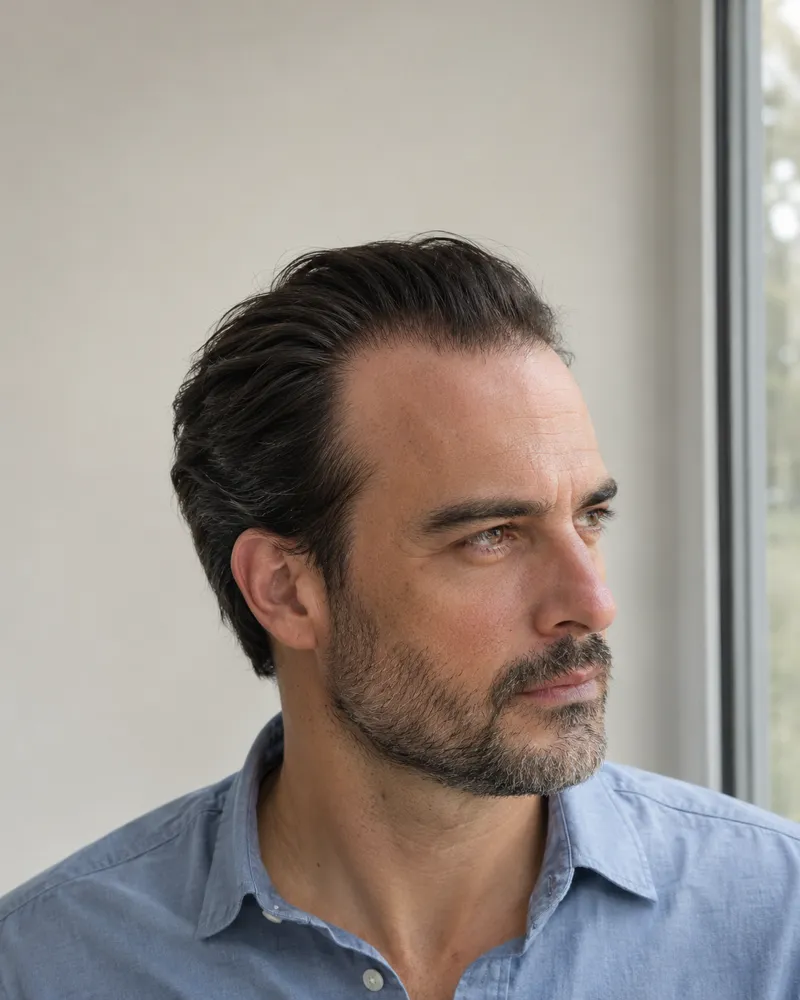
Portrait of a man in three-quarter profile, in a blue shirt, with hair combed back and forehead visible

How to recognise it

Could it be a receding hairline?

Here we are not talking only about the corners: it is the front hairline, from one end to the other, that seems to have risen. These signs can help you understand what is going on.

Tick what you recognise0/5

Tick the signs you recognise in your case. This is not a diagnosis, it is only meant to give you an idea.

If, besides your forehead rising, you notice loss of eyebrows, shiny or scar-like skin at the front of the scalp, or burning and itching, book a consultation. These are signs that are best assessed early.

The doctor examining a patient's scalp during a hair assessment consultation
Photograph of an assessment consultation. The dots mark the areas observed when the hairline recedes; the image does not show a recession.

Why it happens

What contributes to a receding hairline

It is almost never just one thing. Choose a cause to see what makes it worse and what helps.

Androgenetic alopecia

The follicles at the front may be sensitive to certain hormones and gradually shrink, and the hairline slowly rises. In men it usually starts at the corners and the top; in women the hairline may hold for longer.

What makes it worse

Letting years go by without an assessment while the follicle keeps shrinking.

What helps

Getting assessed early, because it is easier to monitor and halt than to recover.
Normal or to be assessed

Normal maturing or a recession to assess

In young adults, the hairline may rise a little and then stabilise. These signs help distinguish that maturing from a recession that deserves a consultation.

  • What it looks like. The line rises a little, especially in late adolescence or early adulthood, and the hairs near it keep their thickness.

  • How it progresses. It stabilises and, after a year or two, photographs show practically the same thing.

  • What the clinic does. The doctor examines you, explains what is normal and gives a reference point to monitor.

  • Reassurance. Often it is enough to confirm that there are no signs of recession.

Does your forehead seem to be getting bigger? Book an assessment consultation, so the doctor can work out whether it is normal maturing or a recession and what can be done.

Book an assessment consultation

What the clinic can do

Treatments for a receding hairline

The front hairline calls for patience and follow-up. The plan is always designed for you, after the doctor has seen your case. These are the treatments the doctor may propose.

Book an assessment consultation
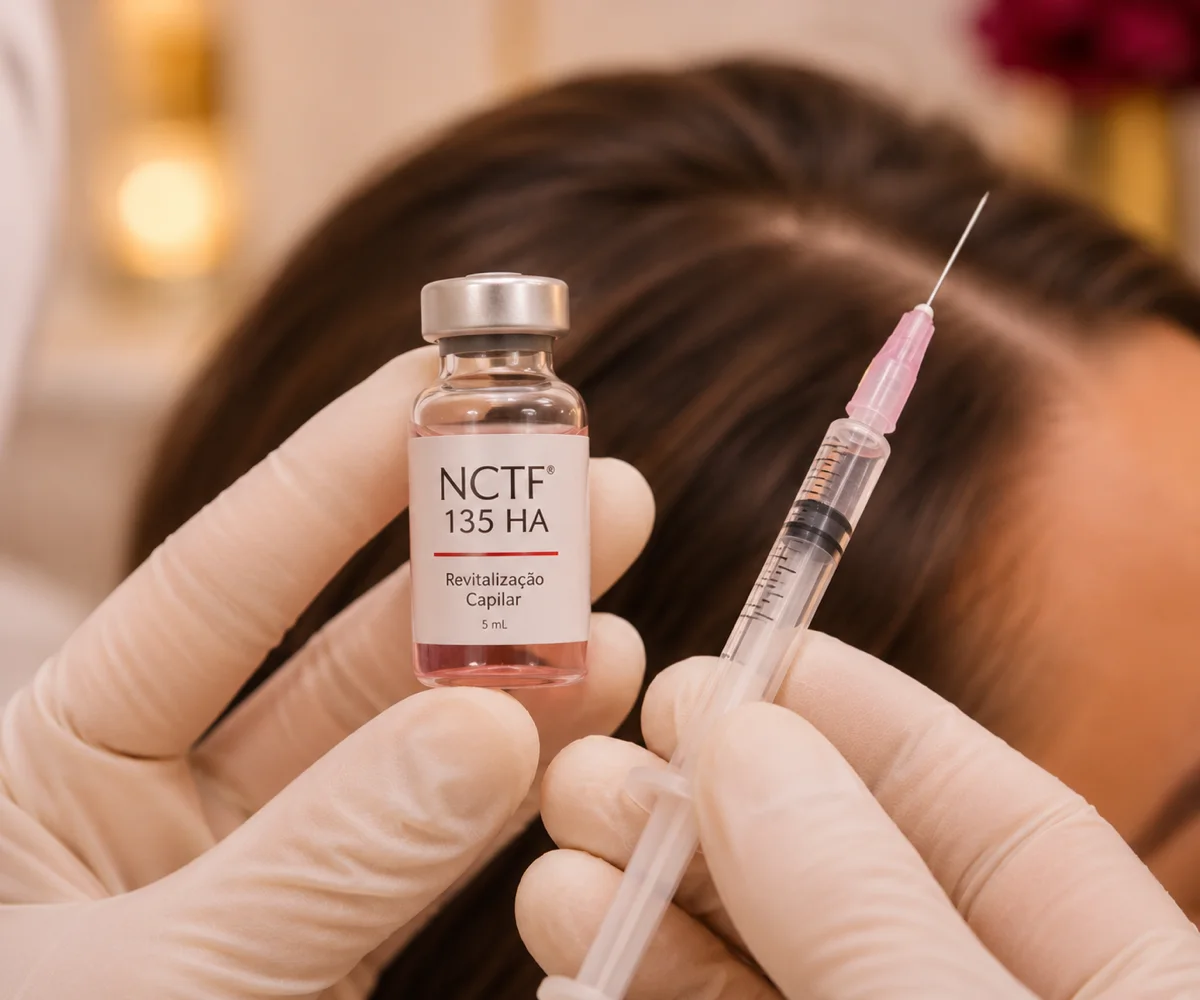
Ampoule of NCTF hair revitalisation and a syringe next to the scalp

Regeneration

Hair NCTF

Vitamins, amino acids, minerals and hyaluronic acid, to nourish the scalp and support finer hair.

Suitable when

the hairs near the hairline are finer and the doctor considers scalp nourishment appropriate.

Find out more
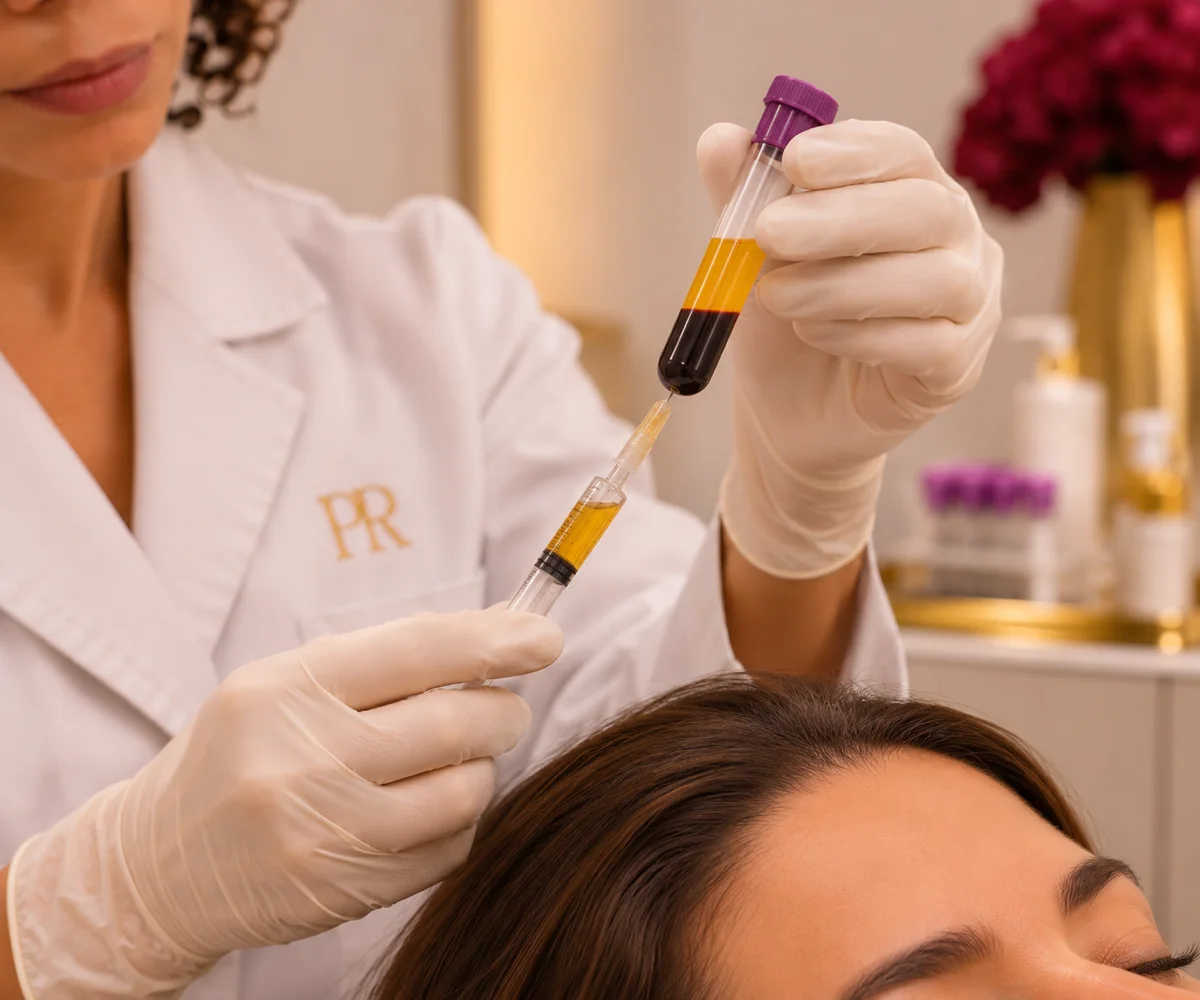
A doctor preparing platelet-rich plasma in a syringe, next to a tube of centrifuged blood

Regeneration

Hair PRP

Platelet-rich plasma, obtained from your own blood, to stimulate the follicle. The doctor first assesses whether it is appropriate.

Suitable when

the front hairline is weakened and the doctor considers follicle stimulation appropriate.

Find out more
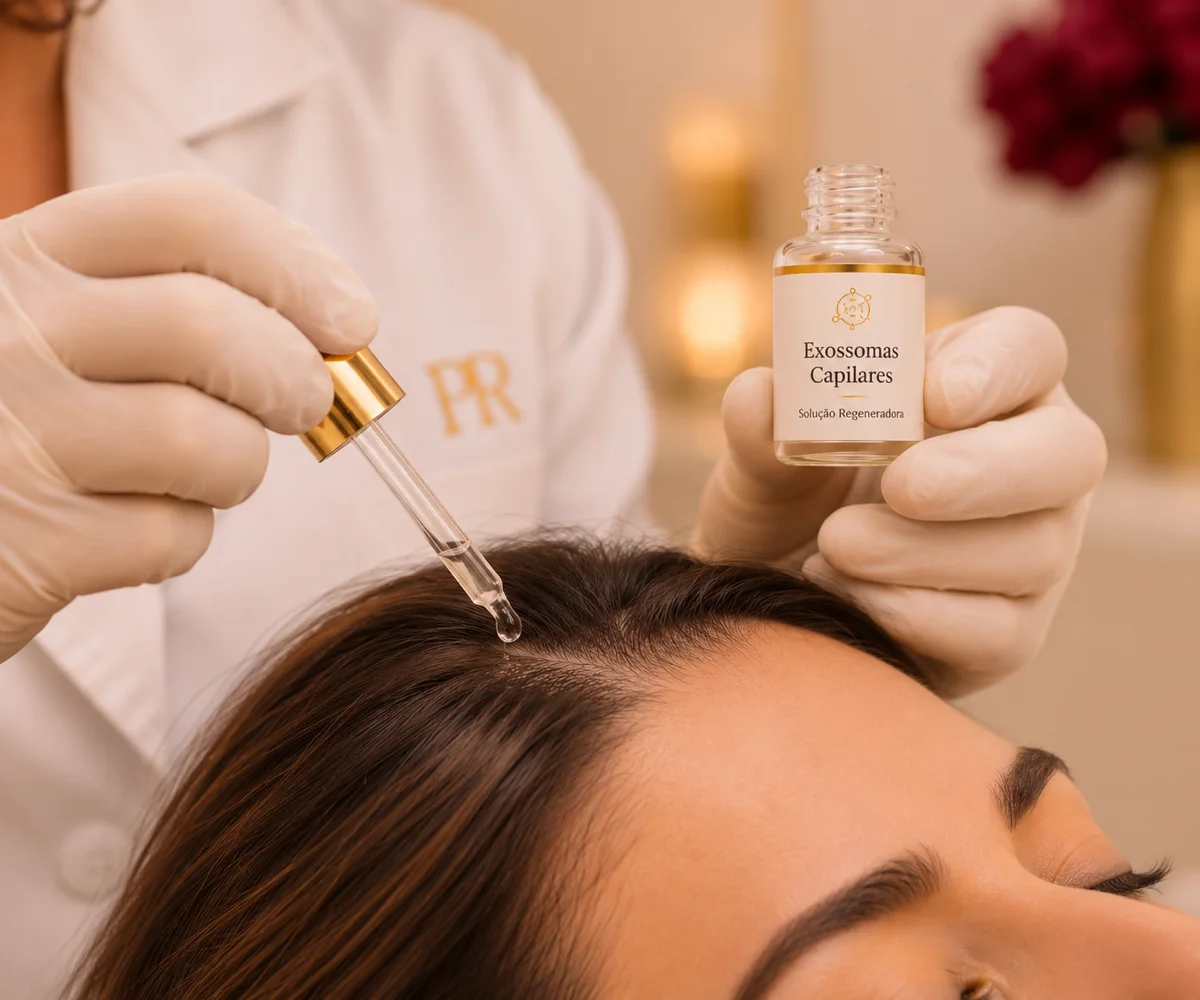
Vial of hair exosomes and a dropper over the scalp

Advanced regeneration

Hair exosomes

Regenerative solution to support follicle repair and improve hair thickness.

Suitable when

the doctor considers it useful to reinforce the plan with a regenerating active ingredient at the front.

Find out more

What about oral therapy and other medical options? When there is a cause to treat, or the recession needs more than local care, the doctor explains the options and chooses them after the assessment and, if useful, blood tests. Results are gradual and vary from person to person.

What the journey looks like

From the first consultation to follow-up

No treatment starts without an assessment consultation with the doctor. This is how it works.

  1. 01At the clinic

    Assessment consultation

    The doctor asks since when your forehead has looked bigger, which hairstyles and products you use, whether there are cases in the family, and examines the front hairline, the eyebrows and the skin at the front.

  2. 02At the clinic

    Measure and, if useful, run tests

    The doctor records the hairline with photographs and measurements, so it can be compared over time, and requests blood tests when they find them useful.

  3. 03At the clinic and at home

    A plan tailored to you

    Combines the treatments that make sense with home care and changes in hairstyles, always adapted to your case.

  4. 04Over time

    Follow-up

    We measure and photograph again after a few months and adjust the plan, because the front hairline needs follow-up.

Day to day

What helps at home

Monitoring the hairline and sparing the roots at the front matters a lot, alongside the doctor's plan. These are the habits that count most.

The golden rule

Measure with identical photographs, from time to time

A photograph always taken in the same conditions is the best way to know whether the hairline is holding still or rising. It helps you decide without anxiety and show the doctor what has changed.

Photograph the forehead

In the mirror, memory deceives.

In practice: every 3 months, with your hair combed back, in the same light and at the same distance.

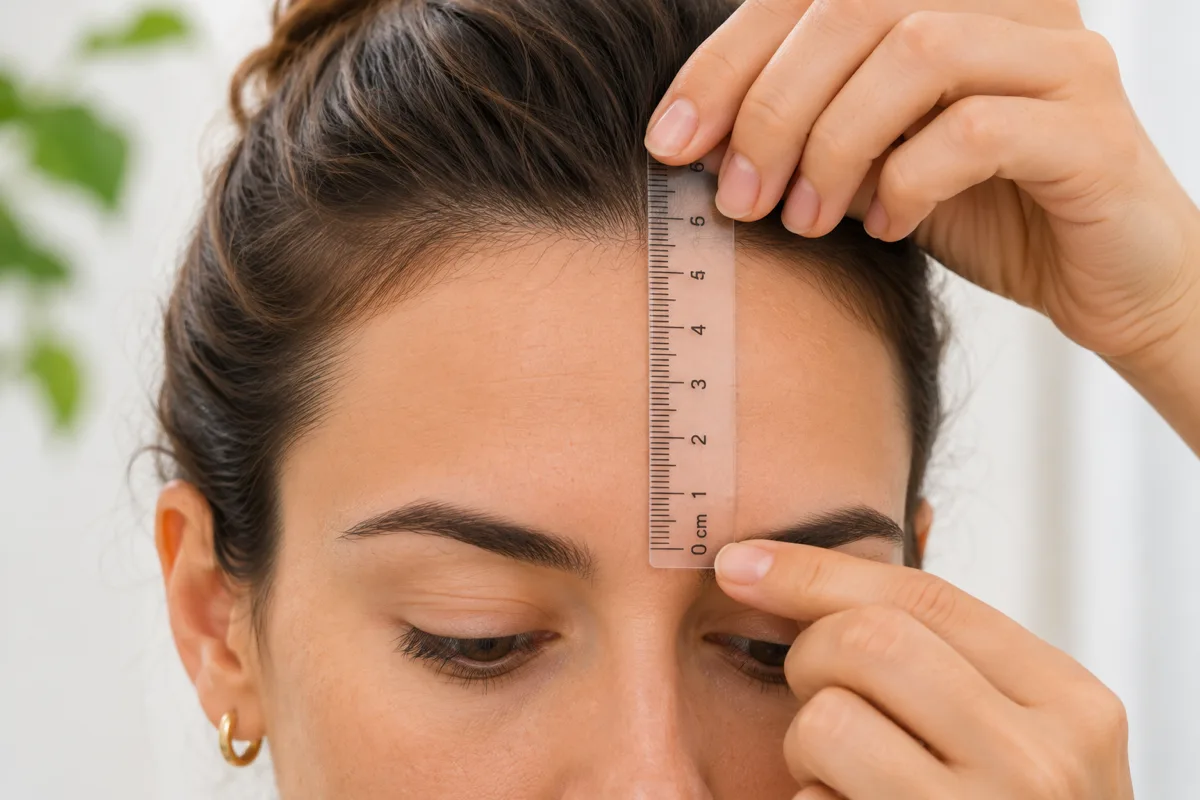
Measure the distance

A number is more reliable than an impression.

In practice: use a ruler to measure the distance between your eyebrow and the start of the hair, and write it down.

Let your hair down

The roots at the front need a rest.

In practice: alternate hairstyles and leave your hair down whenever you can.

Consistency

Results depend on persistence.

In practice: follow the agreed plan and attend the reviews.

Dr Michelle Campagnoli, clinical director of Clínica Luxmed

Who will look after you

An assessment carried out by the doctor

At Luxmed, the first step is always an assessment consultation with Dra. Michelle Campagnoli. She works out whether the hairline is receding, requests blood tests if useful and designs the plan with you.

  • Physical examination and medical historyExamination of the front hairline, the scalp and the eyebrows, with photographic records to monitor the progression.
  • A plan tailored to youA plan suited to your case, clearly explained, with follow-up over time.
  • No obligationThe cost of any treatment is confirmed only after the assessment.
Book an assessment consultation

Book a consultation

Book your consultation

Choose how you prefer to get in touch. We will arrange the assessment consultation with Dr Michelle Campagnoli.

Booking through the website100€70€Assessment consultationExclusive price for those who book the assessment through the website. Outside the website, the price is 100 €.

New Life Miraflores, Algés · Office Center, R. Santa Teresa do Menino Jesus n.º 6, 9.º C, 1495-048

Your details are used only for this contact. Any treatment depends on a prior medical assessment.

Request an appointmentIt takes less than a minute.
Speciality
You do not need to go into detail. The doctor will talk to you during the consultation.
Request received. Our team will contact you as soon as possible.
Why is my forehead getting bigger?

It may be normal maturing of the hairline, androgenetic alopecia, traction from hairstyles or another cause. Only a medical assessment, with photographs and measurements, helps work out which.

How do I know if my hairline is receding?

Compare identical photographs, taken months apart, and measure the distance between your eyebrow and the start of the hair. If it increases, it is worth booking a consultation.

Is it normal for the hairline to rise with age?

A small recession in late adolescence or early adulthood is usually normal and stabilises. If the line keeps rising, it is worth getting assessed.

Can women also have a receding hairline?

Yes. It may be due to traction, hair treatments, hormones or, more rarely, a frontal alopecia. The doctor assesses the overall picture.

Is a receding hairline hereditary?

There are often cases in the family, but it is not a given. Traction and other habits also count, so the assessment helps you understand your case.

Does the hair at the front grow back?

It depends on the cause and on how early you start. The aim is usually to halt the progression and improve the thickness of the hair, and the doctor explains what is realistic for you.

What treatments does the clinic use for the hairline?

Depending on the case: NCTF hair treatment, hair PRP, hair exosomes and oral therapy or other options chosen by the doctor. None is decided before the consultation.

Is losing eyebrows and the hairline at the same time serious?

It is a sign that is best assessed early, because it may be linked to a rare form of frontal alopecia. There are options for follow-up, so book a consultation without alarm.

How long does it take to see results?

Results are gradual and usually become noticeable after a few months of regular treatment. The doctor explains what to expect in your case.

When should I book a consultation for a rising forehead?

When you notice that the line keeps rising, the hairs at the front are finer, or you see signs such as loss of eyebrows or shiny skin. Bringing old photographs helps.

We could not find that question. Ask us on WhatsApp

CallAssistantAvailableBook