Algés, Oeiras Mon to Fri · 09:00 to 13:00 and 14:00 to 19:00 · Sat · 09:00 to 14:00
WhatsApp Book a consultation

Facial aesthetics

Oily, spotty skinWhen the face shines within a few hours and spots keep coming back, and you want to understand what is going on

Oily skin and spots often go together, because excess sebum is one of the ingredients that make them appear. But oiliness is not a disease and occasional spots are not always acne: what changes everything is the intensity, the type of lesion and the marks they leave. Here we explain what usually lies behind the shine and the spots, what helps at home, what a professional cleanse, a chemical peel and intradermotherapy can and cannot do, and when a medical assessment is advisable before any treatment, at Clínica Luxmed, in Algés.

Reviewed by Dr Michelle Campagnoli, clinical director

  • 3options the clinic may consider
  • 1assessment, always first
  • Nocommitment
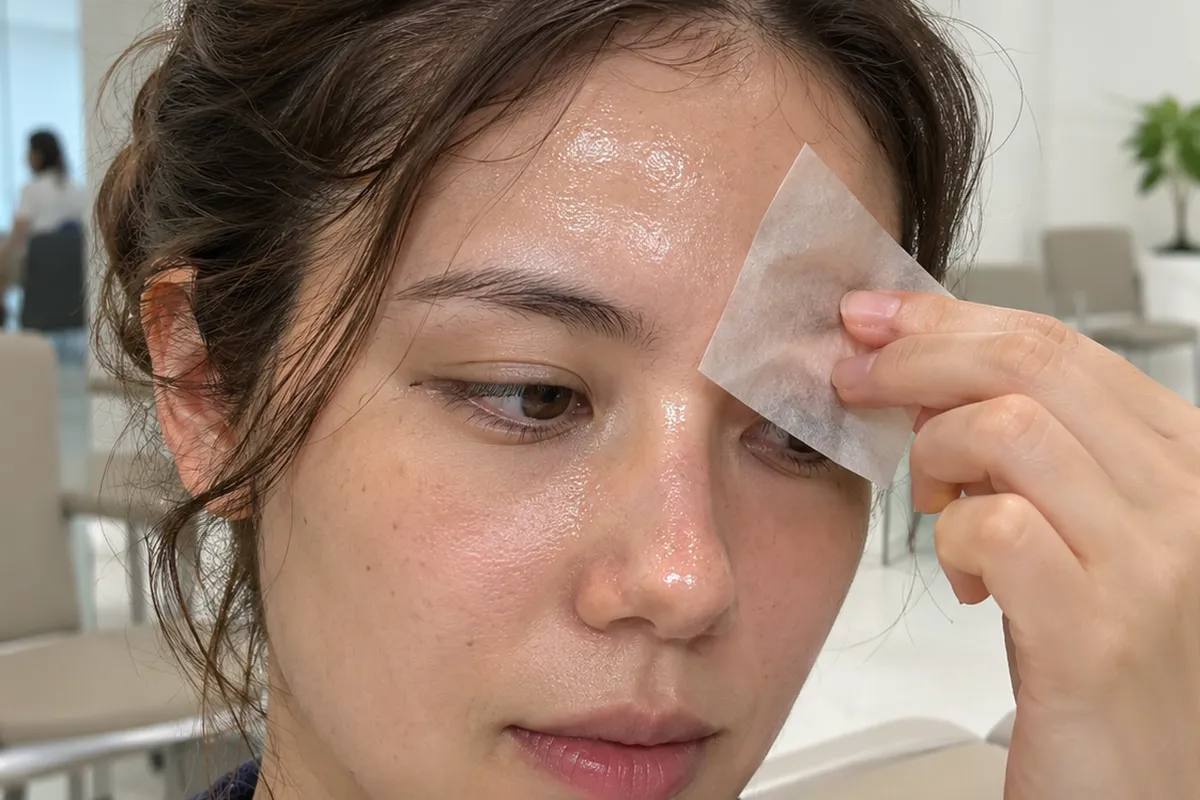
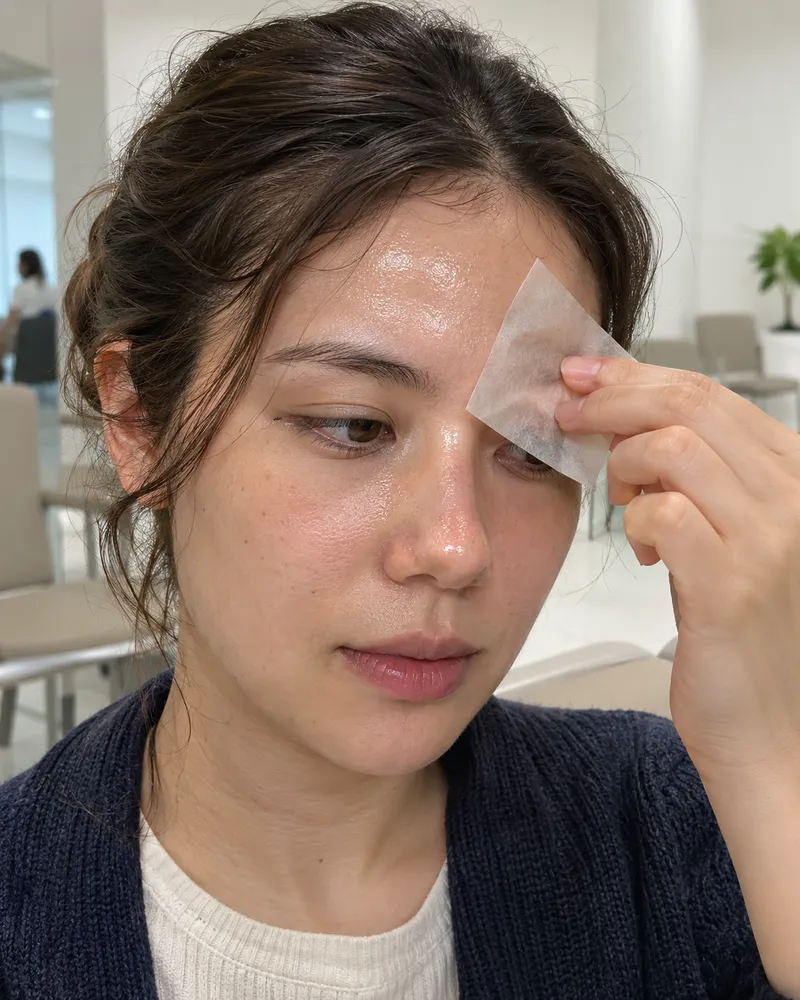
Woman pressing blotting paper to her forehead, with an oily sheen on her skin

How to recognise it

Is it oily skin with a tendency to spots?

Oily skin and occasional spots are different from more marked acne, and the difference decides what makes sense to do. These signs help you see where you stand before the assessment.

Tick what you recognise0/7

Tick the signs you recognise in your case. This is not a diagnosis, it is only meant to give you an idea.

Do you have sore, deep nodules, spots that leave scars, lesions on the chest or back too, or spots that do not improve after two to three months of care? Did it appear suddenly, with excess hair, irregular cycles or hair loss? Is there a “spot” that does not heal, bleeds or grows? You need a medical assessment, and often a dermatological one, before any procedure. If you are pregnant or planning to become pregnant, do not use acne medicines on your own. Redness that spreads with pain and fever calls for examination on the same day. Out of hours, call SNS 24: 808 24 24 24.

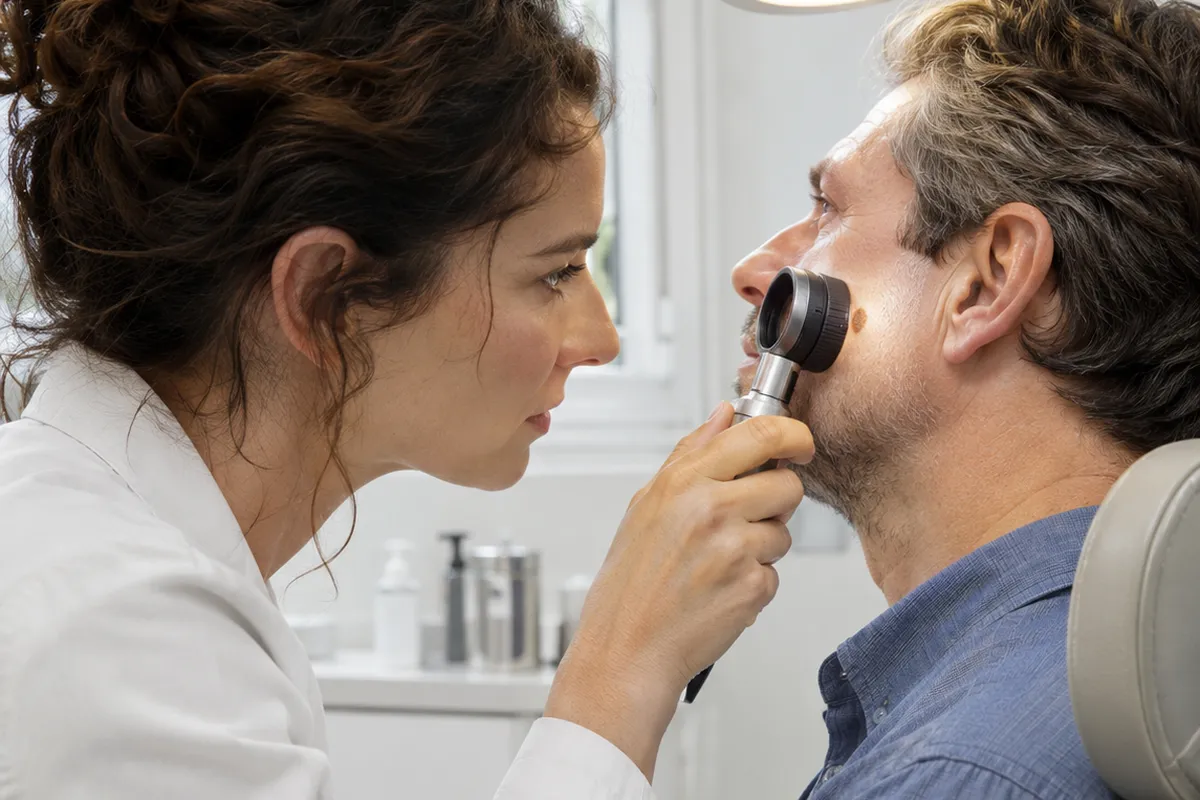
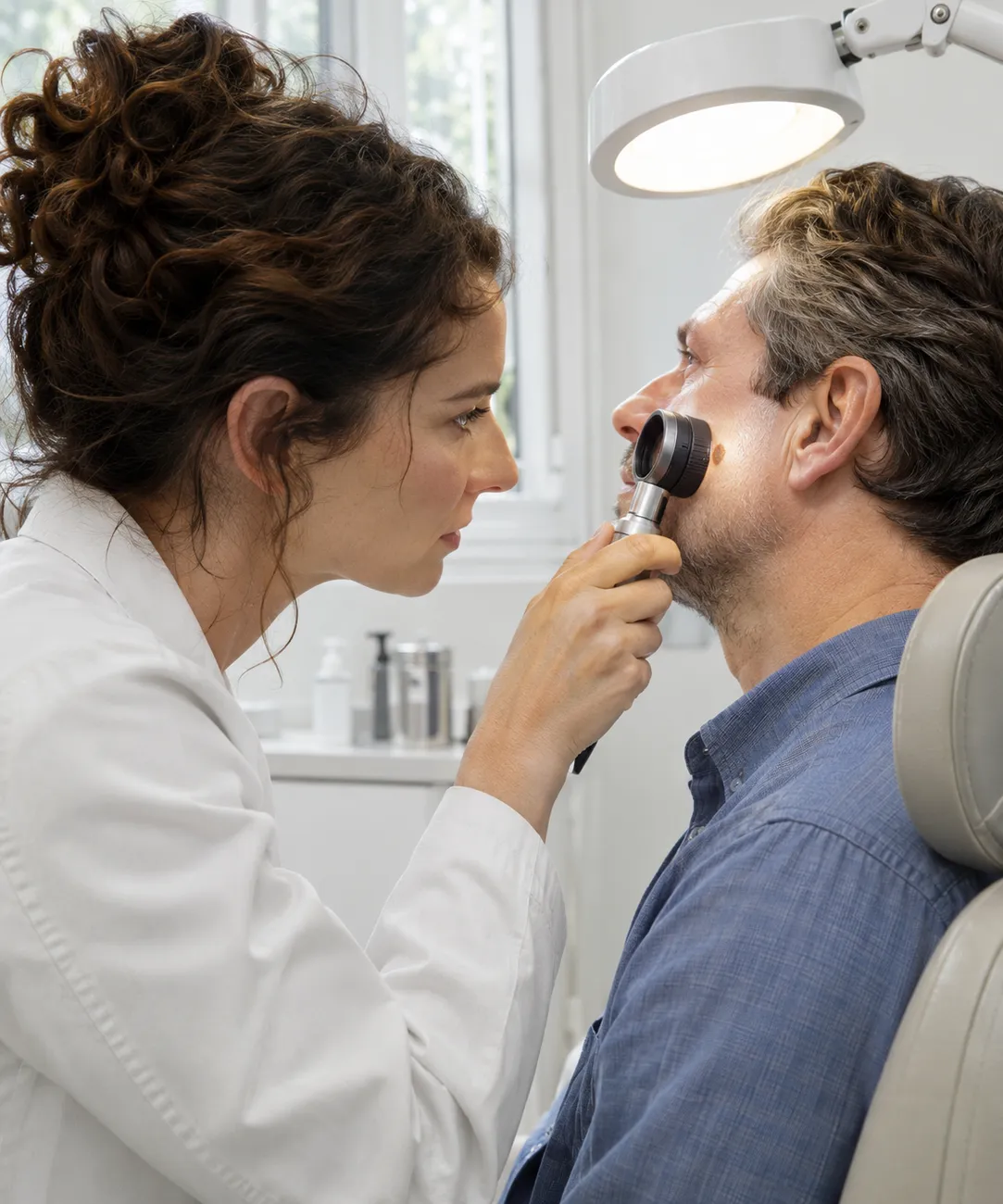
Doctor examining a patient's face with a dermatoscope under an examination light
Photograph of a consultation. The dots mark what the doctor is assessing.

Why it happens

What may lie behind the shine and the spots

There is almost always more than one cause at the same time. Choose a situation to see how it may contribute and what usually helps.

Hormones and the sebaceous glands

The sebaceous glands respond to androgens, hormones that exist in everyone. When the response is strong, more sebum is produced, and excess sebum, together with blocked pores and inflammation, is at the root of spots. That is why oiliness rises in adolescence, before menstruation and in situations such as polycystic ovary syndrome.

What weighs on it

Expecting it to “go away on its own” when there are irregular cycles, excess hair or hair loss, which may have a hormonal cause.

What helps

Recording when it gets worse (cycle, stress) and, if there are other hormonal signs, asking for an assessment and tests instead of just changing cream.

Normal or to be assessed

Ordinary oily skin or acne to assess

Oily skin and a few occasional spots usually have a simple cause. But there are situations that call for an assessment before any procedure, because what you see is only the visible part.

  • What it looks like. Shine in the T-zone, visible pores, blackheads and some small, mild spots that come and go, without nodules or scars.

  • When it is noticed. On hot days, before your period and at times of stress. It may be associated with a product that blocks the pores.

  • What the clinic does. The doctor listens to the history, examines the skin and confirms that it is oily skin with mild spots, before proposing what makes sense.

  • At home. A gentle routine, a light moisturiser, non-comedogenic sunscreen, without squeezing, and giving the skin time.

Is your face suddenly swollen, with difficulty breathing or swallowing? Call 112. If you have redness that spreads with pain or fever, or doubts about the lesions, out of hours you can call SNS 24: 808 24 24 24.

Book an assessment

What the clinic may consider

Options for oily skin with spots

What weighs most comes first: a gentle, regular routine, sunscreen, not squeezing and, when there is acne, appropriate medical treatment (for example, with skin-applied products that the doctor prescribes). Only then, and after an assessment, the clinic may consider regenerative cleansing or chemical peel, which help mainly with texture, blackheads and the look of the skin. The clinic also has intradermotherapy, for which the specific evidence in oily skin and acne is limited, and which the doctor discusses case by case. Results vary, are generally temporary and need maintenance, and none of these procedures replaces medical treatment for acne.

Book an assessment
Dr Michelle Campagnoli, clinical director of Clínica Luxmed

First step

Assessment consultation

The doctor listens to what you are experiencing, examines your case and explains the suitable options. No treatment begins without this consultation.

May be considered when

you want to understand the cause and decide on the best path, with time and without commitment.

Book an assessment
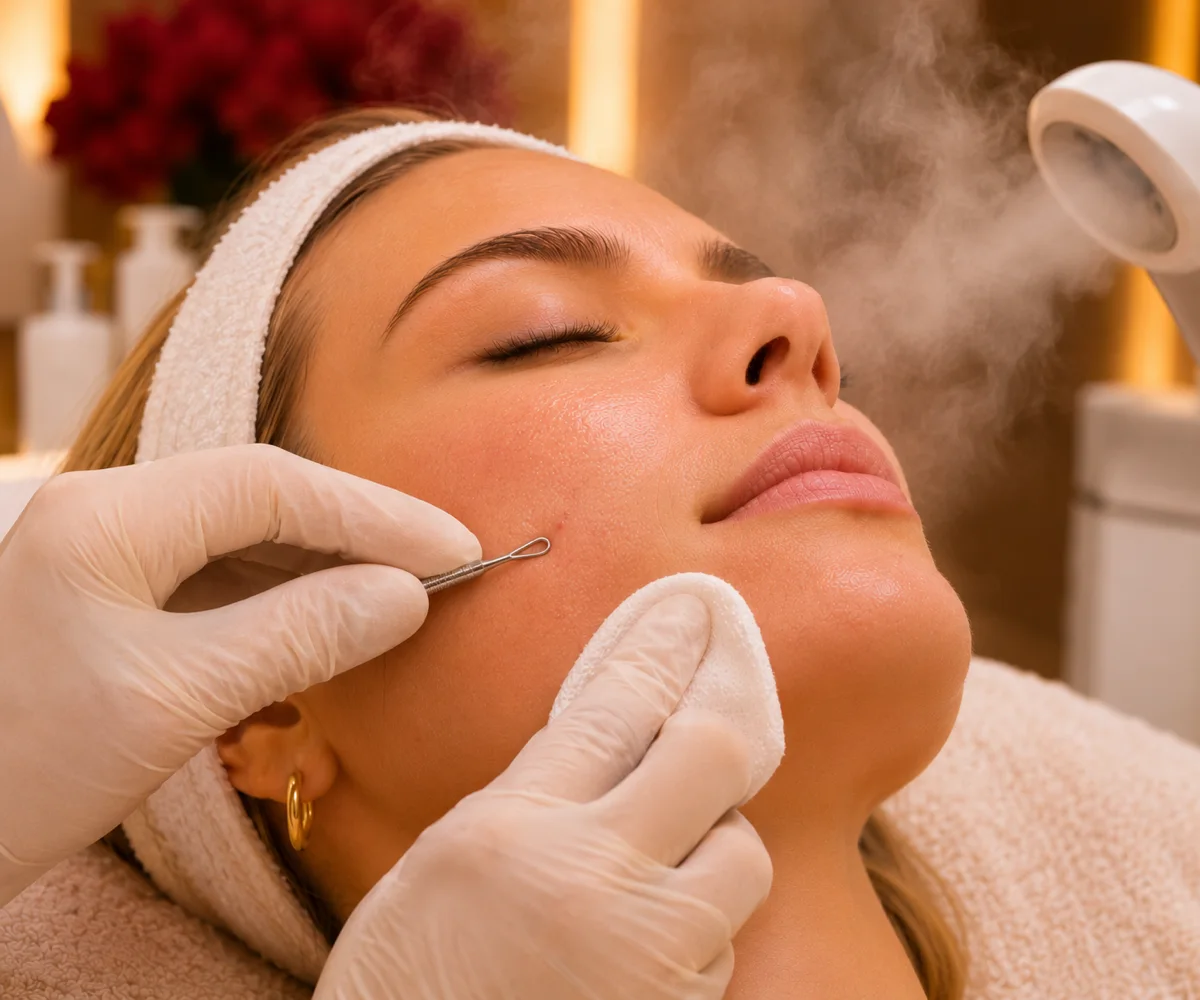
Steam and extraction technique in a professional facial cleanse, in soft consulting-room light

Cleansing and renewal

Regenerative cleansing

Deep cleansing of the skin, with preparation and careful extraction of impurities and blackheads, to purify and give the skin a more even look. It relieves the blocking of pores for a time, but does not treat the cause of oiliness and the effect is temporary.

May be considered when

the skin has blackheads, blocked pores and shine, but the spots are mild and without marked inflammation, and the doctor has explained what is realistic to expect.

Find out more
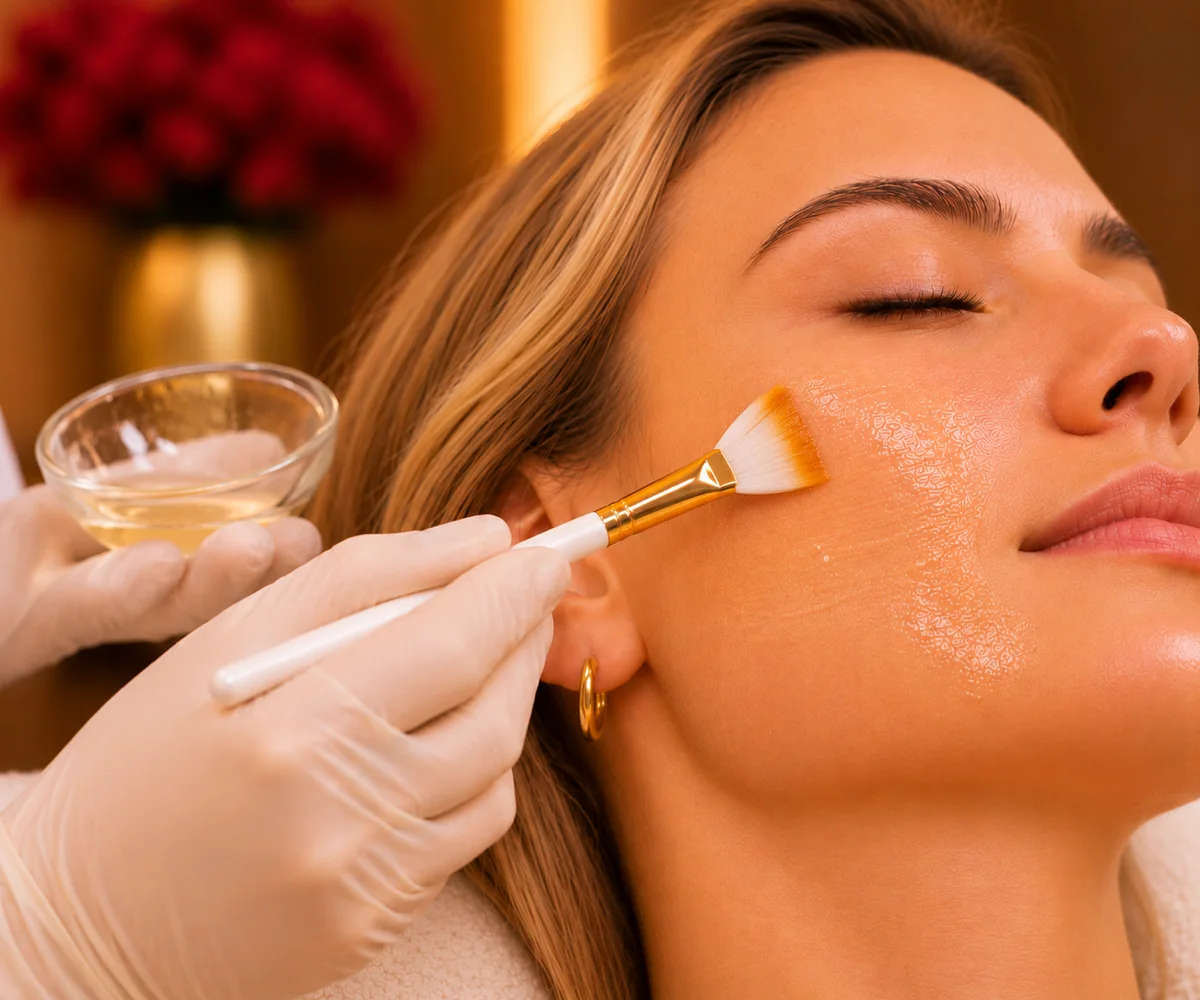
Application of a peel solution with a brush on a face in profile, in bright consulting-room light

Skin renewal

Chemical peel

Application of an acid to the skin to renew the superficial layers, even out tone and soften texture. In mild to moderate acne, reviews show improvements with the most-used peels, but with studies of low to moderate quality, and the agent and the pace are chosen carefully.

May be considered when

the skin is not irritated or very inflamed, you are not pregnant and do not take medicines that make it more sensitive, and the doctor has explained the risks, such as redness, peeling and marks.

Find out more

What the journey looks like

From the first conversation to a plan tailored to you

No procedure begins without an assessment by the doctor. Most people start with the simplest approach, and only then is anything further considered.

  1. 01At the clinic

    Telling your story

    The doctor asks since when the skin has been oily, what the spots are like, whether they get worse with the cycle, stress or any product, what you have already used and which medicines you take, and whether you are pregnant, breastfeeding or planning to become pregnant.

  2. 02At the clinic

    Examining the skin

    The type of lesions, the distribution and the marks are observed. If there are nodules, scars, acne in several areas or hormonal signs, tests are requested or you are referred to dermatology before any procedure.

  3. 03At home

    Adjust the routine

    The routine is simplified: gentle cleansing twice a day, a light moisturiser and non-comedogenic sunscreen, without squeezing. In many cases, this is what improves the appearance most.

  4. 04Over time

    Decide and follow up

    If appropriate, the doctor explains what a procedure can bring, how many sessions are needed and what to expect, without promising results. The skin is reviewed and the plan adjusted, including maintenance.

Day to day

What helps at home

What you do at home matters more than you might think. These measures are appropriate while you wait for your consultation and alongside the clinic’s treatment plan.

The golden rule

Regulate the skin, do not strip it

Oily skin needs regular, gentle care, not harsh products that leave it tight and irritated. A short, faithful routine over weeks is worth more than many products. And spots that hurt, leave scars or do not improve should be seen by a doctor instead of being “dried out”.

Cleansing gently

Washing twice a day with a gentle product cleanses without harming, and the evidence does not show any advantage in washing more often.

In practice: lukewarm water, a gentle cleanser without harsh soap, and drying without rubbing.

Moisturise with a light texture

Moisturising does not make skin greasy. Oily, irritated skin gets worse without hydration.

In practice: a gel or fluid moisturiser, oil-free, and labelled non-comedogenic.

Protect from the sun

The sun darkens the marks that spots leave and worsens photoageing.

In practice: a light, non-comedogenic sunscreen every morning, even in winter.

Record and bring to the consultation

It helps the doctor to understand what changes and with what.

In practice: monthly photographs in the same light, and a list of products, medication and the relationship with the cycle.

Dr Michelle Campagnoli, clinical director of Clínica Luxmed

Who will look after you

An assessment carried out by the doctor

At Luxmed, in Algés, the first step is always an assessment with Dr Michelle Campagnoli. She is the one who examines the skin, works out whether it is oily skin with mild spots or whether there is acne or a cause to investigate, and decides with you what makes sense, before any procedure.

  • Physical examination and medical historyA conversation about the routine, products, the cycle and medication, and an examination of the skin.
  • A plan tailored to youA clear plan without unrealistic promises, starting with essential skincare and including follow-up over time.
  • No obligationThe cost of any treatment is confirmed only after the assessment.
Book an assessment

Book a consultation

Book your consultation

Choose how you prefer to get in touch. We will arrange the assessment consultation with Dr Michelle Campagnoli.

Booking through the websiteAssessment consultationTalk to our assistant on WhatsApp and ask for the current price of the assessment.

New Life Miraflores, Algés · Office Center, R. Santa Teresa do Menino Jesus n.º 6, 9.º C, 1495-048

Your details are used only for this contact. Any treatment depends on a prior medical assessment.

Request an appointmentIt takes less than a minute.
Speciality
You do not need to go into detail. The doctor will talk to you during the consultation.
Request received. Our team will contact you as soon as possible.
Why is my skin oily and why does it have spots?

Almost always through a combination of causes: the sebaceous glands respond to hormones (androgens) and produce more sebum, genetics determines how much, and excess sebum, together with blocked pores and inflammation, gives rise to spots. The menstrual cycle, stress, sleep, certain products and medicines and, modestly, diet also weigh. So the first step is to work out what weighs most in your case.

Are oily skin and acne the same thing?

No. Oily skin is a skin type, with more shine and visible pores, and may have few or no spots. Acne is an inflammatory condition of the sebaceous glands, with blackheads, spots and, sometimes, nodules and scars. Many people have oily skin with mild spots, but when there are sore nodules, scars or lesions on the chest and back too, it is acne that deserves assessment.

Why do I get spots as an adult, on the chin and before my period?

Adult acne is common, especially in women, and usually appears on the chin, the jawline and the neck, often with closed blackheads. Hormonal fluctuations in the cycle and conditions such as polycystic ovary syndrome count, as do stress and certain products. If it appeared suddenly or comes with excess hair, irregular cycles or hair loss, it is worth asking for a medical assessment and tests.

Do diet, stress or sun influence spots?

Yes, but moderately. A diet with a lot of fast-absorbing carbohydrates has a modest effect on acne, dairy gives contradictory results and stress and poor sleep seem to have an influence. The sun, although it gives the impression of drying spots out, darkens the marks they leave. There is no diet that cures, and cutting out foods without guidance is not recommended.

What can I use at home on oily skin with spots?

Start with the simple: gentle cleansing twice a day, a light, oil-free moisturiser and non-comedogenic sunscreen. In mild acne, there are pharmacy products with substances such as benzoyl peroxide or salicylic acid, and the doctor can prescribe skin-applied retinoids. The guidelines of the American Academy of Dermatology strongly recommend benzoyl peroxide and skin-applied retinoids, but it is worth asking for guidance, because they can irritate and some are not used during pregnancy. Results take weeks.

Does a professional facial cleanse help?

The clinic’s regenerative cleansing purifies the skin and extracts impurities, and can improve the look of pores and blackheads for a time. But there is little quality research on professional cleansing in isolation, it does not treat the cause of oiliness and the effect is temporary. It is not carried out on very inflamed spots, and badly done extraction can leave marks.

Does a chemical peel help with spots?

It can help. A review of clinical trials showed that the most-used peels, with salicylic acid, glycolic acid and others, appear to improve mild to moderate acne and to be well tolerated, but the studies were of low to moderate quality and it is not possible to say which is best. It has risks, such as redness, peeling and marks, especially if there is sun, and it is decided after assessing the skin, it is not used on irritated skin and during pregnancy depends on the agent.

And intradermotherapy for oily skin?

Intradermotherapy applies vitamins and other active ingredients to the skin with micro-injections, and is part of the clinic’s offer for skin quality, including acne. For oiliness and acne, the evidence is limited, and the decision rests with the doctor after assessing the skin. It does not replace medical treatment for acne and is not carried out on inflamed or infected lesions.

Are the results permanent?

No. Oiliness and a tendency to spots are, in large part, hormonal and hereditary, so the results of procedures are, in general, temporary and need maintenance and a care routine. No results are promised. The doctor sets out with you, after the assessment, the plan and what is realistic to expect.

When should I see a doctor first?

Book a consultation, preferably with a dermatologist, if you have sore, deep nodules, scars, lesions on the chest and back too, or spots that do not improve in two to three months, or if acne affects your well-being. Also if it appeared suddenly, with excess hair, irregular cycles or hair loss, or if there is a lesion that does not heal, bleeds or grows. If you are pregnant or planning to become pregnant, do not use acne medicines, such as isotretinoin, without medical indication. Redness that spreads with pain and fever calls for examination on the same day, and out of hours you can call SNS 24 (808 24 24 24). With sudden swelling of the face and difficulty breathing, call 112.

We could not find that question. Ask us on WhatsApp

Scientific references

This page is based on the sources below and was reviewed by Dr. Michelle Campagnoli. Last updated on .

  1. Reynolds RV, Yeung H, Cheng CE, et al. Guidelines of care for the management of acne vulgaris. J Am Acad Dermatol, 2024.
  2. Williams HC, Dellavalle RP, Garner S. Acne vulgaris. Lancet, 2012.
  3. NHS. Acne. (nhs.uk, acedido 2026-11-11)
  4. Dréno B, Layton A, Zouboulis CC, et al. Adult female acne: a new paradigm. J Eur Acad Dermatol Venereol, 2013.
  5. Semedo D, Ladeiro F, Ruivo M, et al. Adult Acne: Prevalence and Portrayal in Primary Healthcare Patients, in the Greater Porto Area, Portugal. Acta Med Port, 2016.
  6. Li J, Mao B, Tang X, et al. Endocrine and metabolic drivers of sebum dysregulation: Mechanisms and therapeutic strategies. Life Sci, 2025.
  7. Roh M, Han M, Kim D, Chung K. Sebum output as a factor contributing to the size of facial pores. Br J Dermatol, 2006.
  8. Choi JM, Lew VK, Kimball AB. A single-blinded, randomized, controlled clinical trial evaluating the effect of face washing on acne vulgaris. Pediatr Dermatol, 2006.
  9. Walters RM, Mao G, Gunn ET, Hornby S. Cleansing formulations that respect skin barrier integrity. Dermatol Res Pract, 2012.
  10. Meixiong J, Ricco C, Vasavda C, Ho BK. Diet and acne: A systematic review. JAAD Int, 2022.
  11. Chen X, Wang S, Yang M, Li L. Chemical peels for acne vulgaris: a systematic review of randomised controlled trials. BMJ Open, 2018.
  12. Arif T. Salicylic acid as a peeling agent: a comprehensive review. Clin Cosmet Investig Dermatol, 2015.
  13. Spring LK, Krakowski AC, Alam M, et al. Isotretinoin and Timing of Procedural Interventions: A Systematic Review With Consensus Recommendations. JAMA Dermatol, 2017.
  14. Brzeziński P, Feszak IJ, Śmigielski J, et al. Compliance with the European Pregnancy Prevention Programme in Isotretinoin Treatment: Safety Outcomes and Dose-Related Correlations. J Clin Med, 2025.
CallAssistantAvailableBook