Algés, Oeiras Mon to Fri · 09:00 to 13:00 and 14:00 to 19:00 · Sat · 09:00 to 14:00
WhatsApp Book a consultation

Facial aesthetics

Dry, dehydrated skinWhen your face feels tight, flakes or looks dull and you want to understand whether it lacks water, lacks oil or both

Dry skin and dehydrated skin are often treated as the same thing, but they are not. Dry skin is a skin type that produces little oil and protects water poorly; dehydrated skin is a state, in which water is lacking in the top layer, and it can happen to any skin type, including oily skin. In practice, many people have a bit of both, and what helps most depends on which weighs more. It is almost always a common concern and not serious, but skin that suddenly becomes very dry, that cracks or that itches non-stop may be warning of something else. Here we explain how to tell them apart, what usually lies behind it, what to do first at home, what the evidence says about injectable hydration and when a medical assessment is advisable, at Clínica Luxmed, in Algés.

Reviewed by Dr Michelle Campagnoli, clinical director

  • 3treatments associated with hydration
  • 1assessment, always first
  • Nocommitment
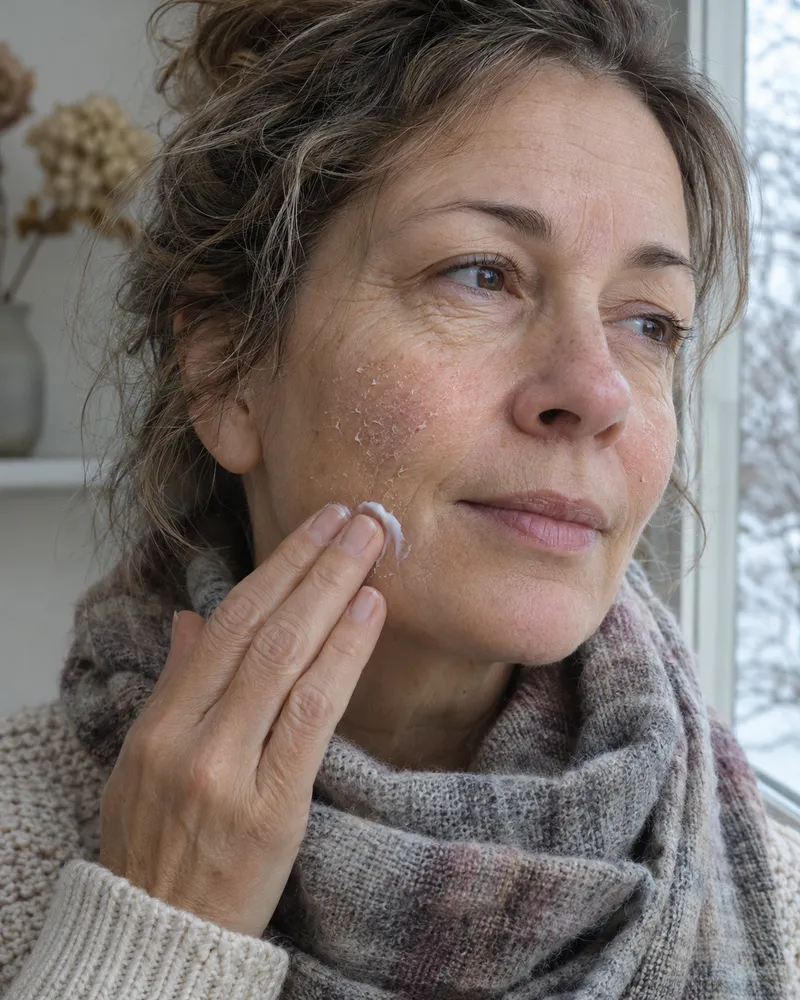
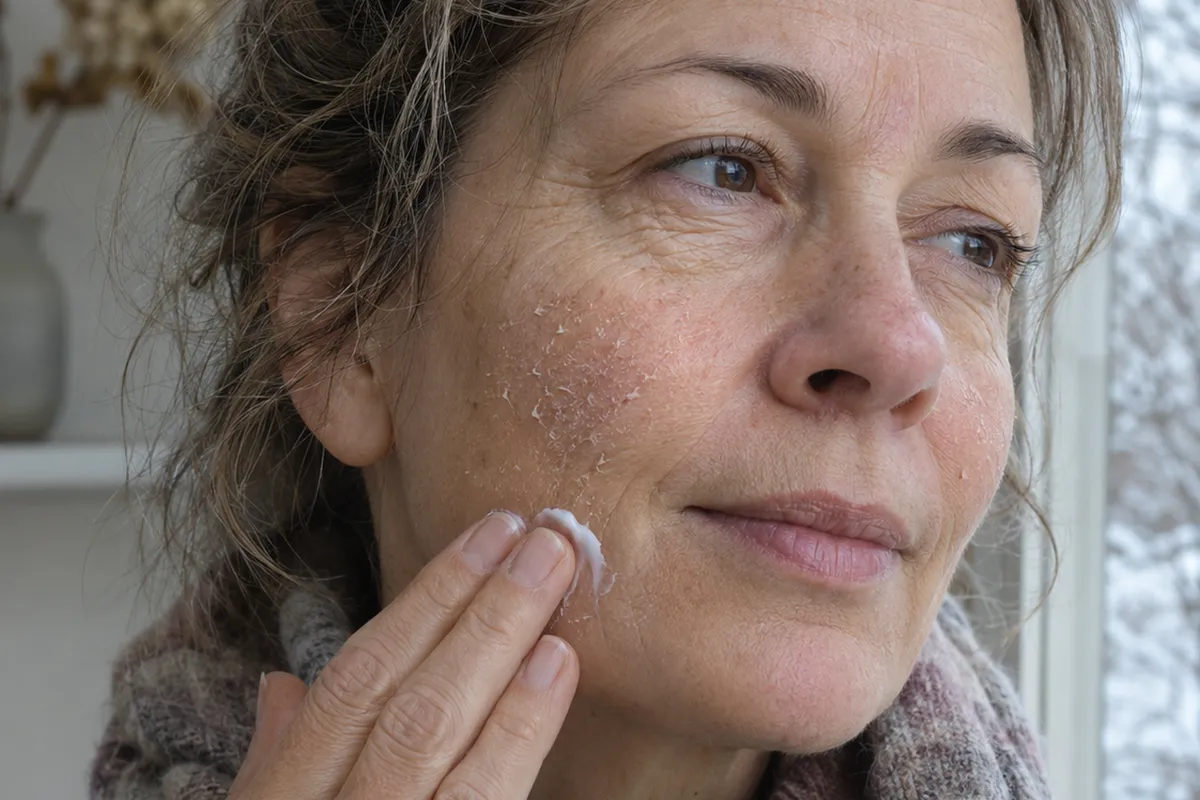
Woman in a scarf applying cream to her cheek, with dry, slightly flaky skin

How to recognise it

Is it dry skin, dehydrated skin or both?

Dry skin and dehydrated skin feel similar, but the cause is different, and so what works is too. These signs help you understand what is going on before the consultation.

Tick what you recognise0/7

Tick the signs you recognise in your case. This is not a diagnosis, it is only meant to give you an idea.

Has the skin suddenly become very dry, with intense itching that stops you sleeping, cracks or fissures that bleed, redness with scales or crusts, or signs of infection (pain, heat, pus)? Is there tiredness, increased thirst, weight gain or intolerance to cold, or have you taken a new medicine? You need a medical assessment before any aesthetic treatment. Out of hours, call SNS 24: 808 24 24 24.

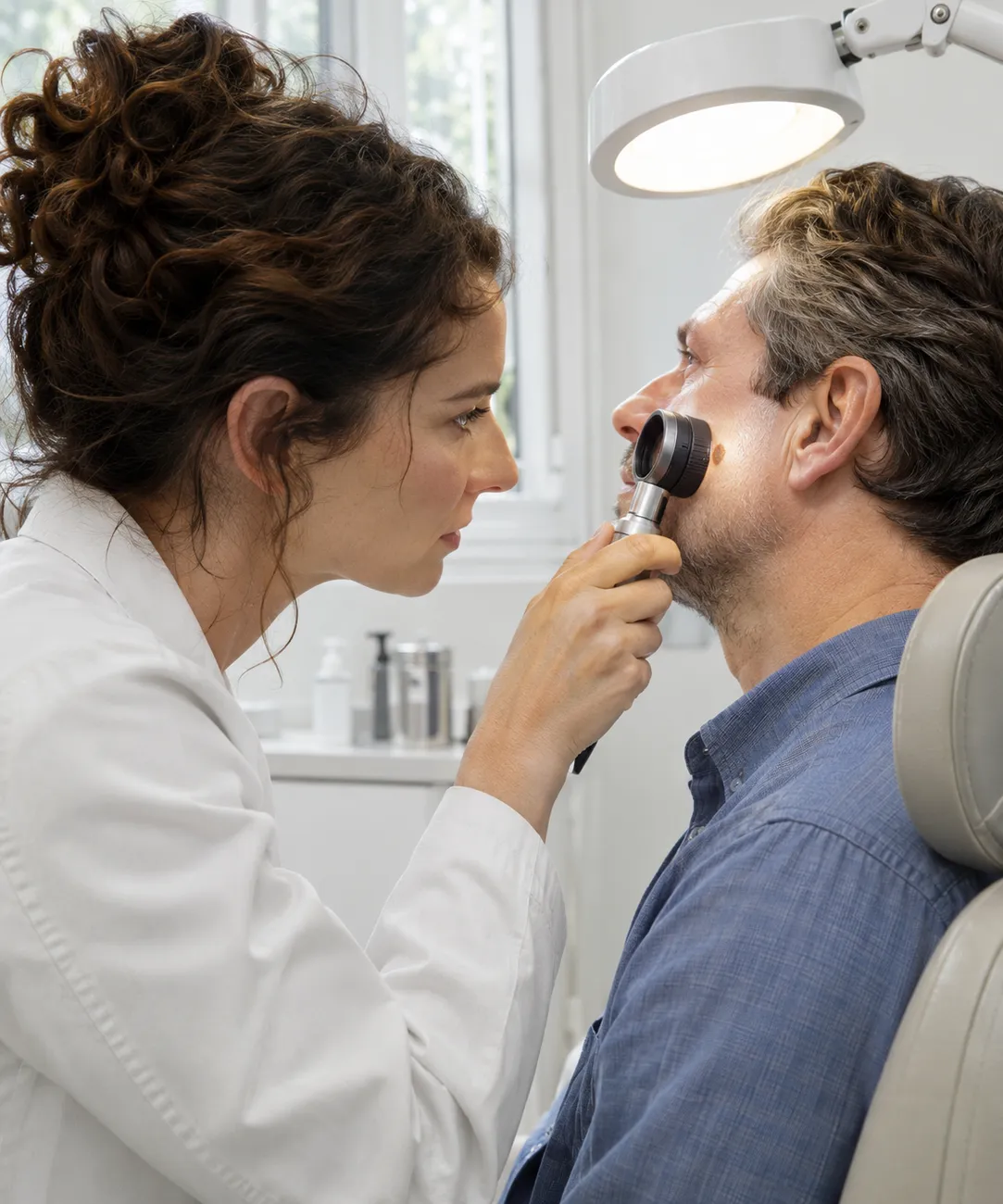
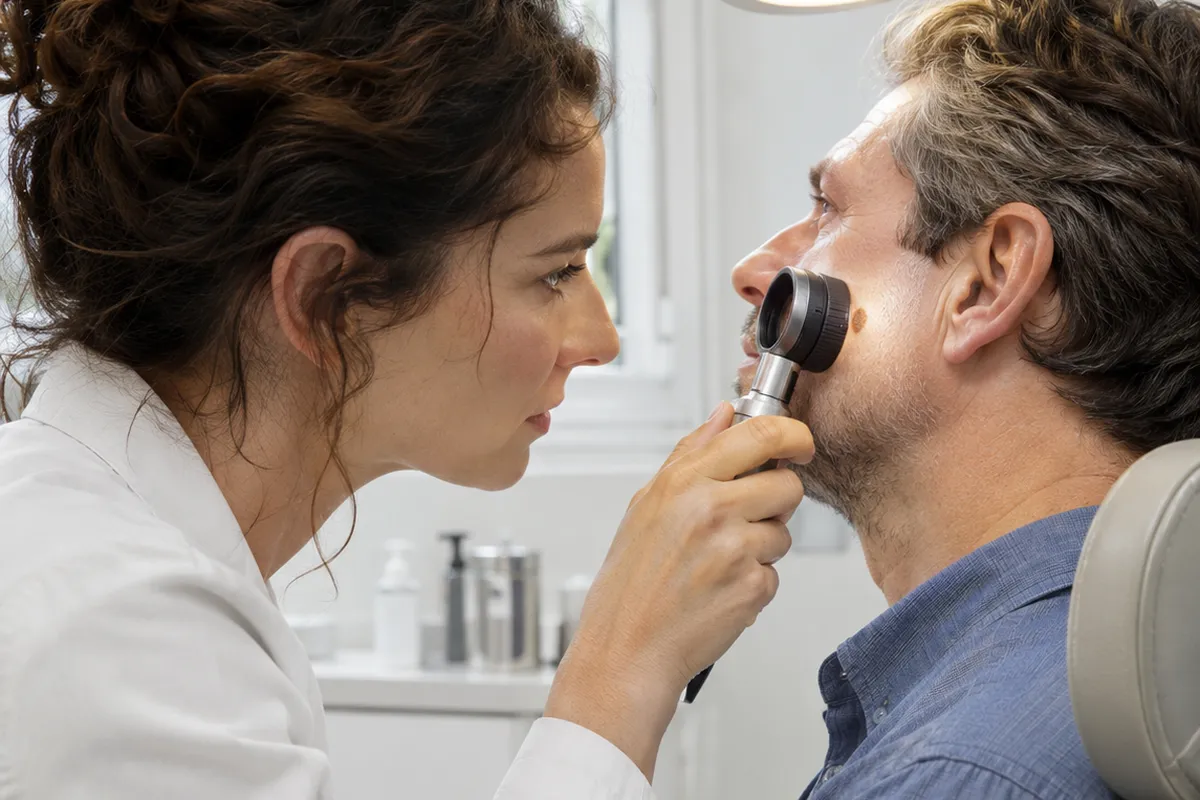
Doctor examining a patient's face with a dermatoscope under an examination light
Photograph of a consultation. The dots mark what the doctor is assessing.

Why it happens

What may lie behind dry and dehydrated skin

There is almost always more than one cause at the same time, and what looks like a lack of hydration may be mainly a damaged barrier. Choose a situation to see how it fits into the picture and what usually helps.

Skin type and genetics

Some people have produced little oil from the start and have a barrier that retains little water, and this often runs in the family, especially when there is eczema, asthma or rhinitis. This is dry skin proper: it is not “bad”, it just needs more care than others.

What weighs on it

Treating the skin as if it were oily, with very stripping products, or leaving it without a moisturiser because you think it is “fine already”.

What helps

A moisturiser with humectants and lipids, applied every day, and a gentle cleanse that does not take away the little oil the skin has.

Normal or to be assessed

Ordinary dry skin or something to assess

Most dry and dehydrated skin has a simple cause and improves with adjustments at home. But some situations call for medical assessment before any aesthetic treatment, because the dryness is only the visible sign.

  • What it looks like. Tightness after washing, fine flaking and dullness, especially in the cold, that improves with moisturising and gets worse when the routine slips.

  • When it is noticed. In winter, in heated rooms, after travelling, with new products or with very hot water.

  • What the clinic does. The doctor listens to the history, examines the skin, confirms that it is ordinary dryness and says what makes sense, in order.

  • At home. Gentle cleansing, a moisturiser every day, sunscreen and fewer harsh active ingredients; improvement is usually seen within a few weeks.

After an injection in the face, do you have severe pain, pale, dark or purplish-patched skin, a change in vision, a severe headache or weakness on one side of the face? Call 112 immediately and contact the clinic that carried out the procedure. With dryness that worries you, but without urgency, out of hours you can call SNS 24: 808 24 24 24.

Book an assessment

What the clinic may consider

Options for hydrating the skin of the face

Before any procedure come the right habits: gentle cleansing, a moisturiser every day, sunscreen and assessment of medical causes. Only then is a procedure considered. For facial hydration, the clinic associates three treatments: Skinbooster, HydroDelux and NCTF. The evidence is most solid for hyaluronic acid injected into the skin: a systematic review of 13 studies describes improvements in hydration and skin quality and a good safety profile, but the studies are small and the authors themselves call for larger trials. For HydroDelux and NCTF we did not find specific studies in open sources, so we promise no more than the description of the treatment, and NCTF is only mentioned here, without a card. Results vary, are not permanent and are generally temporary, and none of these treatments replaces the daily routine or treats a skin disease.

Book an assessment
Dr Michelle Campagnoli, clinical director of Clínica Luxmed

First step

Assessment consultation

The doctor listens to what you are experiencing, examines your case and explains the suitable options. No treatment begins without this consultation.

May be considered when

you want to understand the cause and decide on the best path, with time and without commitment.

Book an assessment
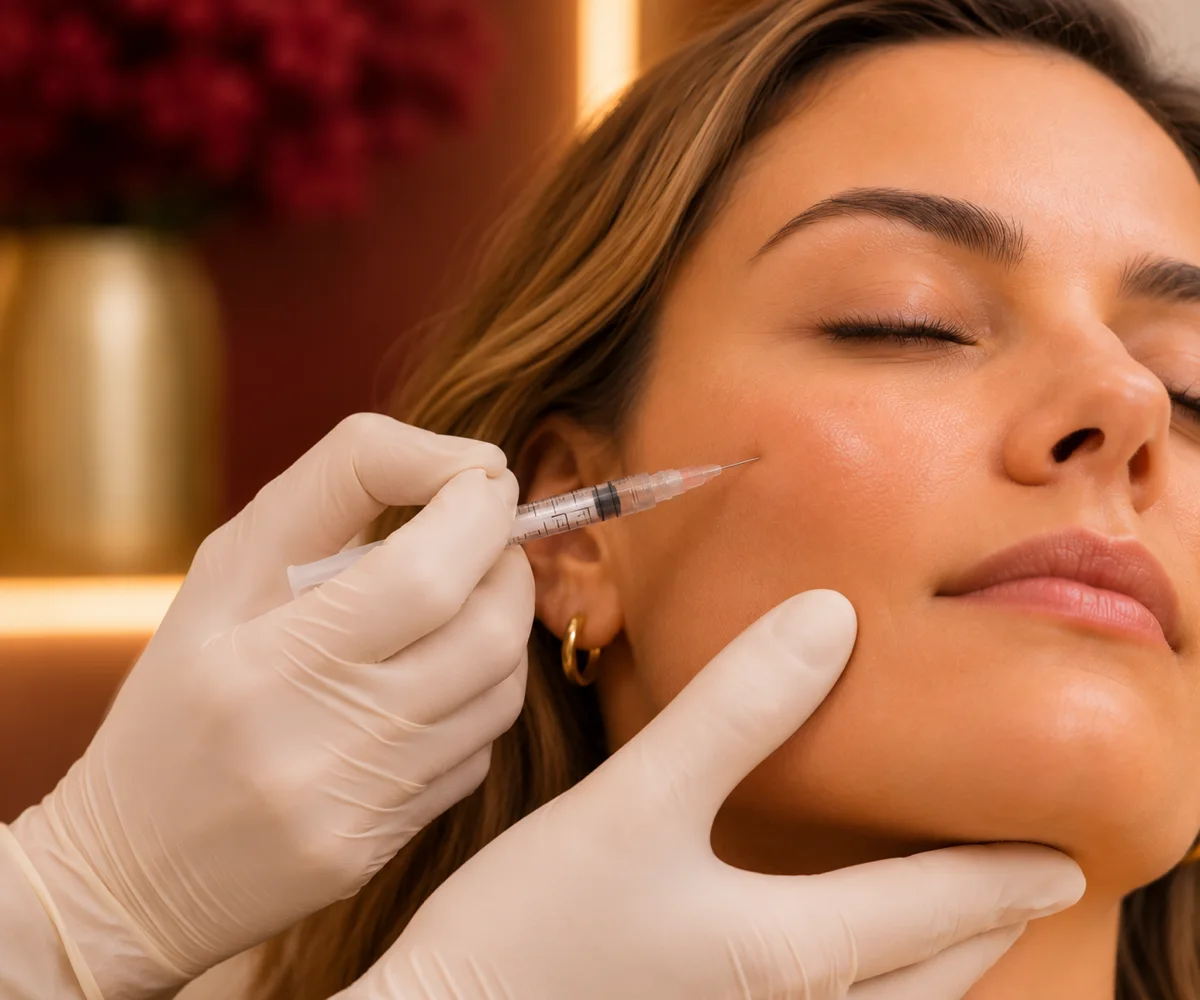
Hydrating micro-injections in the skin of the face, in bright consulting-room light

Injectable hydration

Skinbooster

Micro-injections of hyaluronic acid into the dermis, which hydrate the skin from within and can improve elasticity, smoothness and radiance. A small course of sessions is usually carried out, with maintenance after months, according to expert recommendations, which are opinion and not a comparative trial. Redness, swelling, bruising and small lumps may appear; serious complications are very rare, but they exist.

May be considered when

the skin is dry or dull without inflammation or infection, medical causes have been assessed, the daily care is already in order, and the doctor has explained the risks and what is realistic to expect.

Find out more
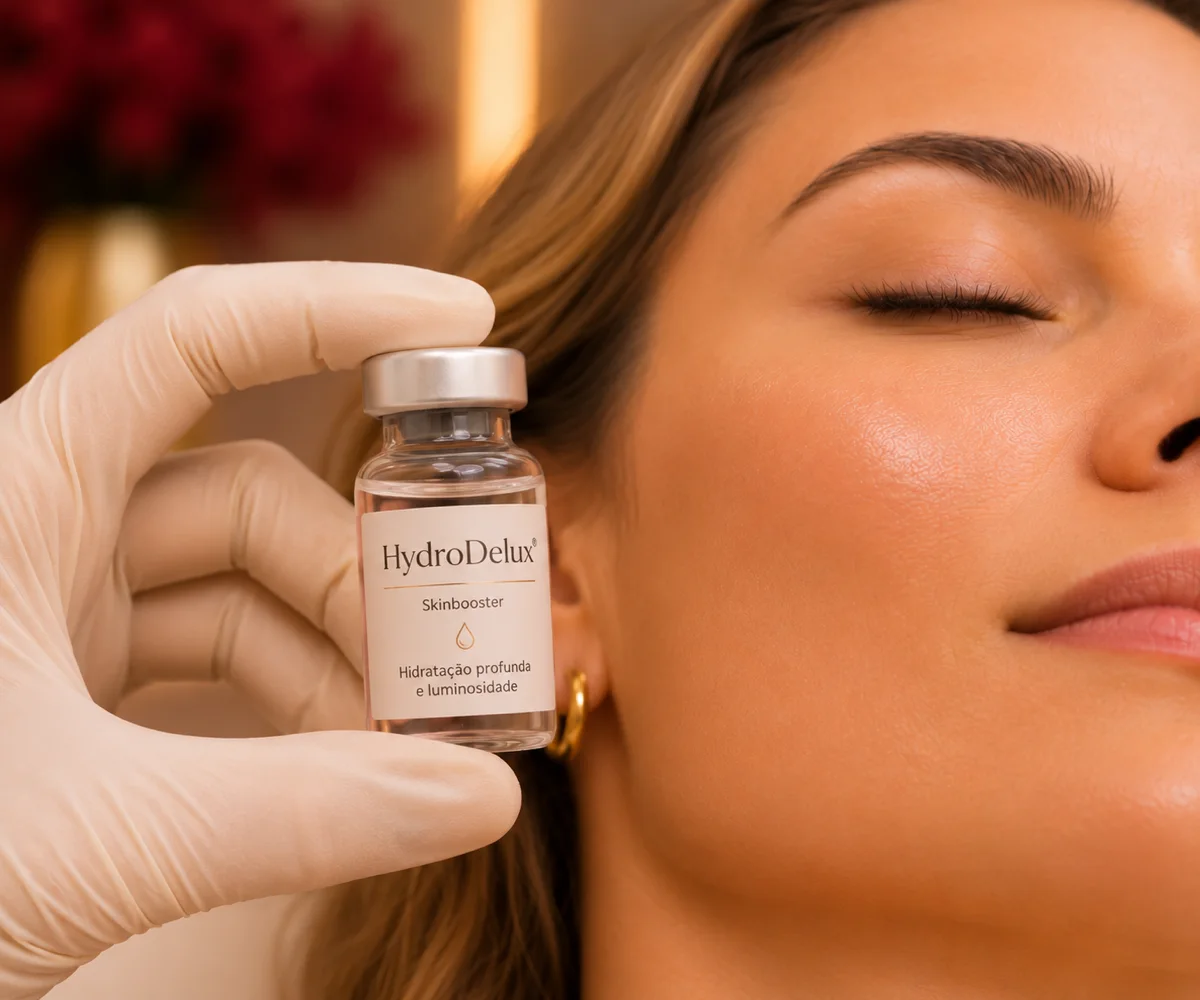
An ampoule of a hydration treatment next to the patient’s face

Deep hydration

HydroDelux

A deep hydration and revitalising treatment, aimed at improving the density and radiance of the skin straight after the session. We did not find specific clinical studies on this treatment, so expectations should be cautious: the immediate effect is mainly one of appearance and tends to be short, and the most solid evidence remains that for injected hyaluronic acid.

May be considered when

the skin is dehydrated and lacking radiance, without inflammation or infection, the daily routine has already been corrected, and the doctor has explained that the evidence is limited and that the effect is temporary.

Find out more

What the journey looks like

From the first conversation to a plan tailored to you

No procedure is carried out without an initial consultation with the doctor. Most people start with the simplest option, and only then are further options considered.

  1. 01At the clinic

    Telling your story

    The doctor asks since when the skin has been like this, when it gets worse, which products and medicines you use, how you wash your face, whether there is itching or redness, and whether there is eczema, asthma or thyroid, diabetes or kidney conditions.

  2. 02At the clinic

    Examining the skin

    The flaking, redness, fissures and texture are observed, along with whether the dryness is the same across the whole face. When there are signs of eczema, of another skin condition or of a systemic cause, tests are requested or you are referred to dermatology.

  3. 03At home

    Repair the barrier and moisturise

    The cleansing is adjusted, a suitable moisturiser is chosen, the skin is protected from the sun and active ingredients that irritate are removed. In many cases, this alone improves the look of the skin within a few weeks.

  4. 04Over time

    Decide and follow up

    If the skin continues to lack radiance, the doctor explains whether a hydration procedure makes sense, what can be expected, how many sessions are usual and how the result is maintained, without promising anything. The examination is repeated and the plan adjusted.

Day to day

What helps at home

What is done every day weighs more than it seems. These are the measures that make sense while you wait for the consultation and alongside the clinic’s plan.

The golden rule

First the barrier, then the water

Skin with a damaged barrier loses water however much moisturiser is applied, and water injected into the dermis is also lost if the surface continues to be harmed. Gentle cleansing, moisturising with the right components and protecting from the sun gives more than any single treatment.

Cleansing gently

Strong cleansers strip away the oil that protects the skin and make dryness worse.

In practice: lukewarm water, a gentle, soap-free cleanser, at most twice a day, drying by patting.

Moisturise straight afterwards

Applying with the skin still damp helps to retain the water that is already there.

In practice: a moisturiser with humectants (such as glycerin or urea) and lipids (such as ceramides), morning and night; richer when the skin is drier.

Protect from the sun every day

The sun weakens the barrier and speeds up dryness and ageing.

In practice: facial sunscreen, fragrance-free, every morning, even in winter and on cloudy days.

Look after the environment

Dry air and heating make the skin lose water faster.

In practice: humidify the bedroom air if it is very dry, avoid sitting next to heaters and air conditioning, and reinforce the moisturiser in the cold.

Dr Michelle Campagnoli, clinical director of Clínica Luxmed

Who will look after you

An assessment carried out by the doctor

At Luxmed, in Algés, the first step is always an assessment with Dr Michelle Campagnoli. She is the one who examines the skin, works out whether it is ordinary dryness or whether there is a cause to investigate and decides with you what makes sense, before any procedure.

  • Physical examination and medical historyA conversation about care, products and health, and an examination of the skin of the face.
  • A plan tailored to youA clear plan, without promises, with the routine and the causes treated first and follow-up over time.
  • No obligationThe cost of any treatment is confirmed only after the assessment.
Book an assessment

Book a consultation

Book your consultation

Choose how you prefer to get in touch. We will arrange the assessment consultation with Dr Michelle Campagnoli.

Booking through the websiteAssessment consultationTalk to our assistant on WhatsApp and ask for the current price of the assessment.

New Life Miraflores, Algés · Office Center, R. Santa Teresa do Menino Jesus n.º 6, 9.º C, 1495-048

Your details are used only for this contact. Any treatment depends on a prior medical assessment.

Request an appointmentIt takes less than a minute.
Speciality
You do not need to go into detail. The doctor will talk to you during the consultation.
Request received. Our team will contact you as soon as possible.
What is dry and dehydrated skin and why does it occur?

Dry skin is a skin type that produces little oil and retains water poorly, with a tendency to feel tight, flake and look rough. Dehydrated skin is a temporary state in which water is lacking in the surface layer, and can occur in any skin type. They happen through a combination of causes: skin type and family, cold and dry air, hot water and harsh cleansing, age and hormones, products and medicines that dry the skin, and conditions such as eczema or hypothyroidism. So the first step is to work out what weighs most in your case.

How do I tell dry skin from dehydrated skin?

In practice, the difference lies in what is lacking and in how the skin behaves. When it is dry skin, the dryness has been there all along, in general, and improves with moisturisers richer in oil. When it is dehydrated, the skin may even shine in the T-zone and, at the same time, be tight, dull and with fine lines, and it gets worse with cold, air conditioning, active ingredients that irritate or a lack of moisturiser. The “pinch test” or the feel to the touch help little: they are not diagnoses, and the distinction is useful but imperfect, because the two often coexist. The doctor’s assessment helps to work out what weighs more.

Does drinking more water fix dehydrated skin?

Not by itself. Drinking water is good for health, but there is no strong evidence that drinking more than necessary hydrates the skin. The water the skin retains depends mainly on its lipid barrier, so what weighs most is gentle cleansing, the moisturiser and the environment. If you have constant thirst, pass a lot of urine or have lost weight for no reason, talk to a doctor, because there may be another cause.

Can oily skin be dehydrated?

It can. Oily skin produces oil, but may have little water in the top layer, especially with very stripping products, excessive exfoliation or acne active ingredients that dry the skin. It shows as shine in the T-zone with tightness, flaking or stinging elsewhere. In these cases, instead of washing more, it usually helps to soften the cleansing and use a light moisturiser, without heavy oils. If you have active acne, talk to the doctor or to dermatology before changing the treatment.

What is the best routine for dry and dehydrated skin?

A simple, constant routine: gentle cleansing with lukewarm water, a moisturiser with humectants (such as glycerin or urea) and lipids (such as ceramides) morning and night, and facial sunscreen every day. The drier the skin, the richer the moisturiser should be, and denser ointments or creams usually work better at night. The positions of medical societies agree on this and the best evidence is for urea. Avoid fragrance and alcohol, and introduce one new product at a time. Care at home comes before any procedure.

Does Skinbooster hydrate the skin? Is there evidence?

It has the most solid evidence of what the clinic associates with this topic, but it is limited. A systematic review of 13 studies concluded that injected hyaluronic acid improves the hydration, firmness and quality of facial skin, with a good safety profile, but the studies are small and the authors call for larger trials. Expert recommendations on protocols are opinion and do not compare methods. The effect is temporary and varies from person to person, and it does not treat a damaged barrier or an underlying skin disease.

What are HydroDelux and NCTF, and what evidence do they have?

They are skin hydration and revitalising treatments, described by the clinic’s catalogue: HydroDelux for deep hydration and radiance, NCTF to nourish the skin with vitamins and minerals. We did not find specific clinical studies on these treatments in open sources, and so we do not attribute more effect to them than described nor compare them with Skinbooster. The doctor explains in the consultation what each involves, whether it makes sense in your case and what expectation is realistic, and the effect, where there is one, is temporary.

How long does the effect last and how many sessions are needed?

Results are neither permanent nor guaranteed. In a Skinbooster course, a few sessions spaced weeks apart are usually carried out, followed by maintenance after months, according to expert consensus, but the number depends on the skin and the treatment, and the doctor sets it at the assessment. Duration varies, and if the daily routine slips or the cause persists, the dryness returns, so maintenance and habits count as much as the procedure.

What risks does injectable hydration carry and who should not have it?

Redness, swelling, bruising, small lumps and, rarely, infection or reactivation of cold sores may occur. Serious vascular complications are very rare with superficial injections, but they exist: severe pain, pale, dark or purplish-patched skin, a change in vision, a severe headache or facial weakness require immediate emergency care (112) and contact with the clinic that injected you. Hyaluronidase, which dissolves hyaluronic acid, should only be used by a doctor. Infected or inflamed skin is not injected, and during pregnancy and breastfeeding there are not enough data. Never resort to self-medication or massage the area on your own.

When should I see a doctor first?

Book a consultation if the dryness appeared suddenly, if it does not improve with regular moisturising over a few weeks, or if there is intense itching, redness with scales, fissures that bleed, crusts or signs of infection. Also if there is tiredness, weight gain, intolerance to cold, excessive thirst or you have taken a new medicine. If in doubt, out of hours call SNS 24 (808 24 24 24). If, after an injection, you have severe pain, pallor or purplish patches on the skin, a change in vision or facial weakness, call 112.

We could not find that question. Ask us on WhatsApp

Scientific references

This page is based on the sources below and was reviewed by Dr. Michelle Campagnoli. Last updated on .

  1. Augustin M, Wilsmann-Theis D, Körber A, Kerscher M, Itschert G, Dippel M, Staubach P. Diagnosis and treatment of xerosis cutis - a position paper. J Dtsch Dermatol Ges, 2019.
  2. Lodén M. Role of topical emollients and moisturizers in the treatment of dry skin barrier disorders. Am J Clin Dermatol, 2003.
  3. Proksch E, Brandner JM, Jensen JM. The skin: an indispensable barrier. Exp Dermatol, 2008.
  4. Cheong WK. Gentle cleansing and moisturizing for patients with atopic dermatitis and sensitive skin. Am J Clin Dermatol, 2009.
  5. Ghatge AS, Ghatge SB. The Effectiveness of Injectable Hyaluronic Acid in the Improvement of the Facial Skin Quality: A Systematic Review. Clin Cosmet Investig Dermatol, 2023.
  6. Belmontesi M, De Angelis F, Di Gregorio C, Iozzo I, Romagnoli M, Salti G, Clementoni MT. Injectable Non-Animal Stabilized Hyaluronic Acid as a Skin Quality Booster: An Expert Panel Consensus. J Drugs Dermatol, 2018.
  7. NHS. Emollients. (NHS (Health A to Z), acedido 2026-11-11)
  8. American Academy of Dermatology Association. Dermatologists' top tips for relieving dry skin. (AAD, acedido 2026-11-11)
CallAssistantAvailableBook