Algés, Oeiras Mon to Fri · 09:00 to 13:00 and 14:00 to 19:00 · Sat · 09:00 to 14:00
WhatsApp Book a consultation

Facial aesthetics

Enlarged poresWhen the pores on your face are more visible than you would like and you want to know what can really be done

“Open pores” are, in fact, the openings of the follicles where hair grows and through which sebum comes out. We all have them, and they do not open and close like a door: what changes is how visible they are. They are usually more noticeable on the nose, the centre of the forehead and the cheeks, especially with oily skin, with the passing of the years or with acne. Here we explain why they become more visible, what can be improved and what cannot, the care that comes first, what a peel, microneedling or radiofrequency can do and when a medical assessment is advisable before any treatment, at Clínica Luxmed, in Algés.

Reviewed by Dr Michelle Campagnoli, clinical director

  • 3options the clinic may consider
  • 1assessment, always first
  • Nocommitment
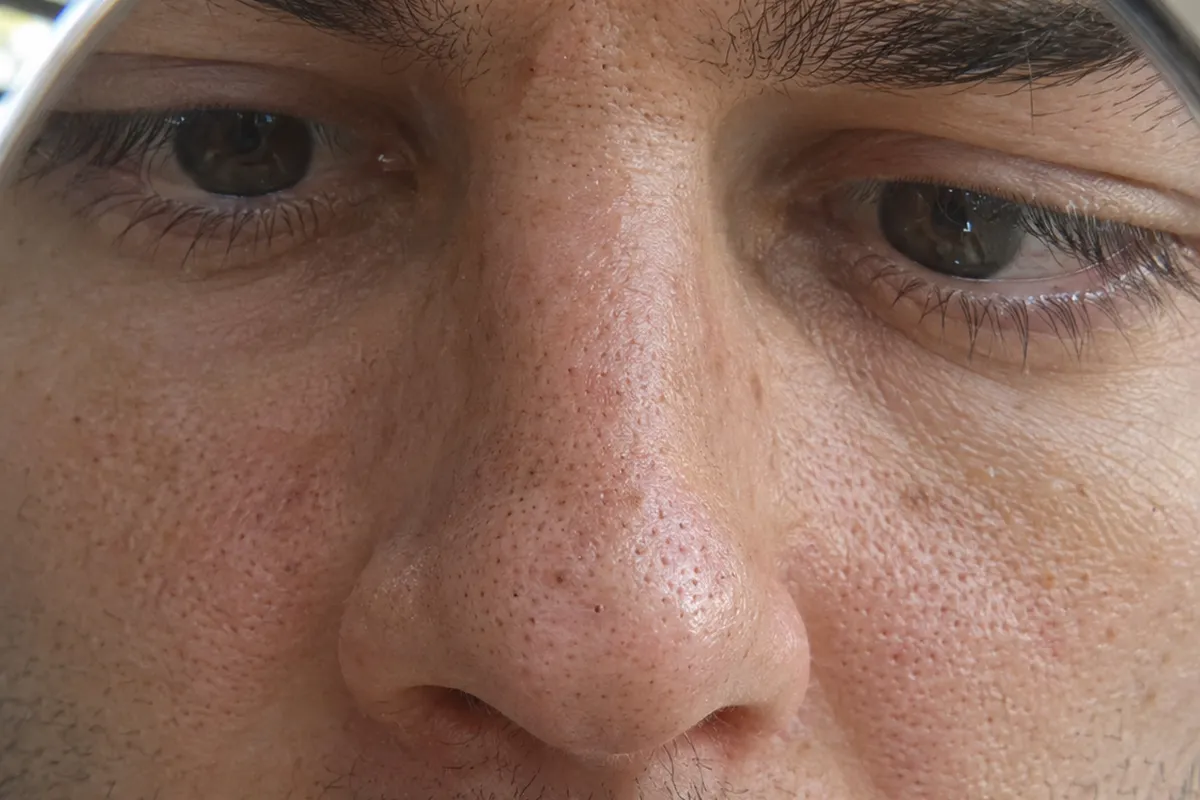
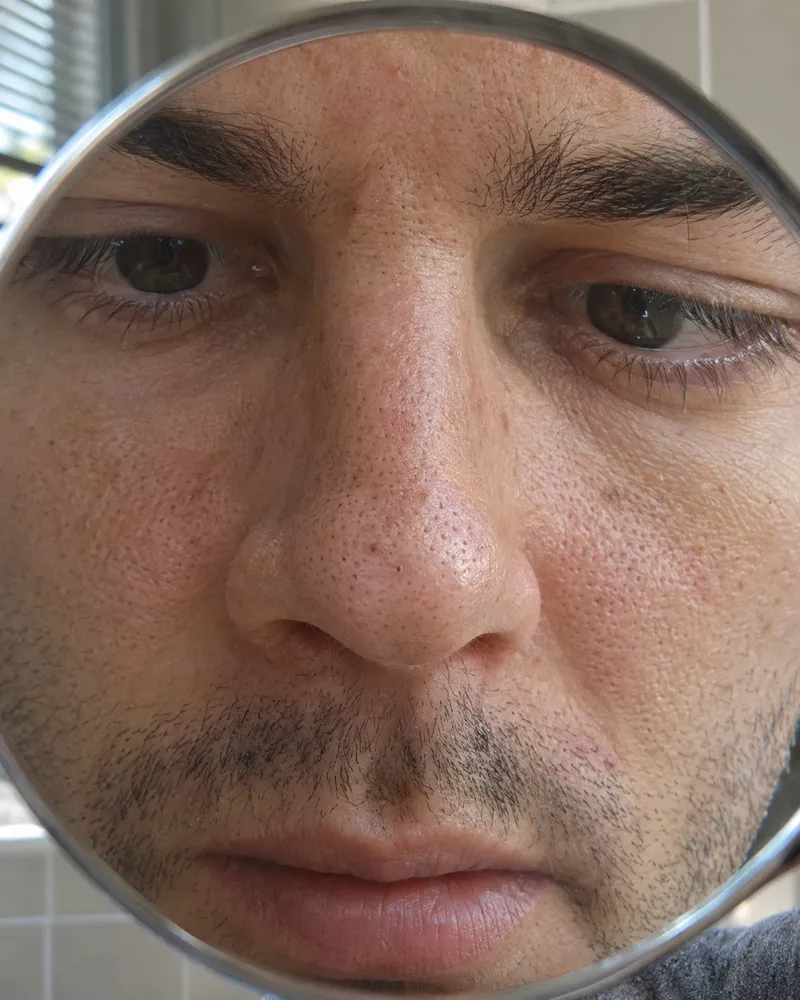
Man looking in a shaving mirror, with enlarged pores and blackheads on his nose

How to recognise it

Are enlarged pores what you see on your face?

More visible pores are very common and almost never a health problem. These signs help you understand what is going on before the assessment, and to distinguish enlarged pores from similar concerns.

Tick what you recognise0/7

Tick the signs you recognise in your case. This is not a diagnosis, it is only meant to give you an idea.

Do you have inflamed, painful or cystic spots, scars forming, or acne that does not respond to what you have already tried? Is there a “pore” or a small lesion at only one point on the face that grows, bleeds, crusts, does not heal or changes colour? Do you have pain, heat, spreading redness, pus or a fever? You need a medical assessment before any treatment. Out of hours, call SNS 24: 808 24 24 24.

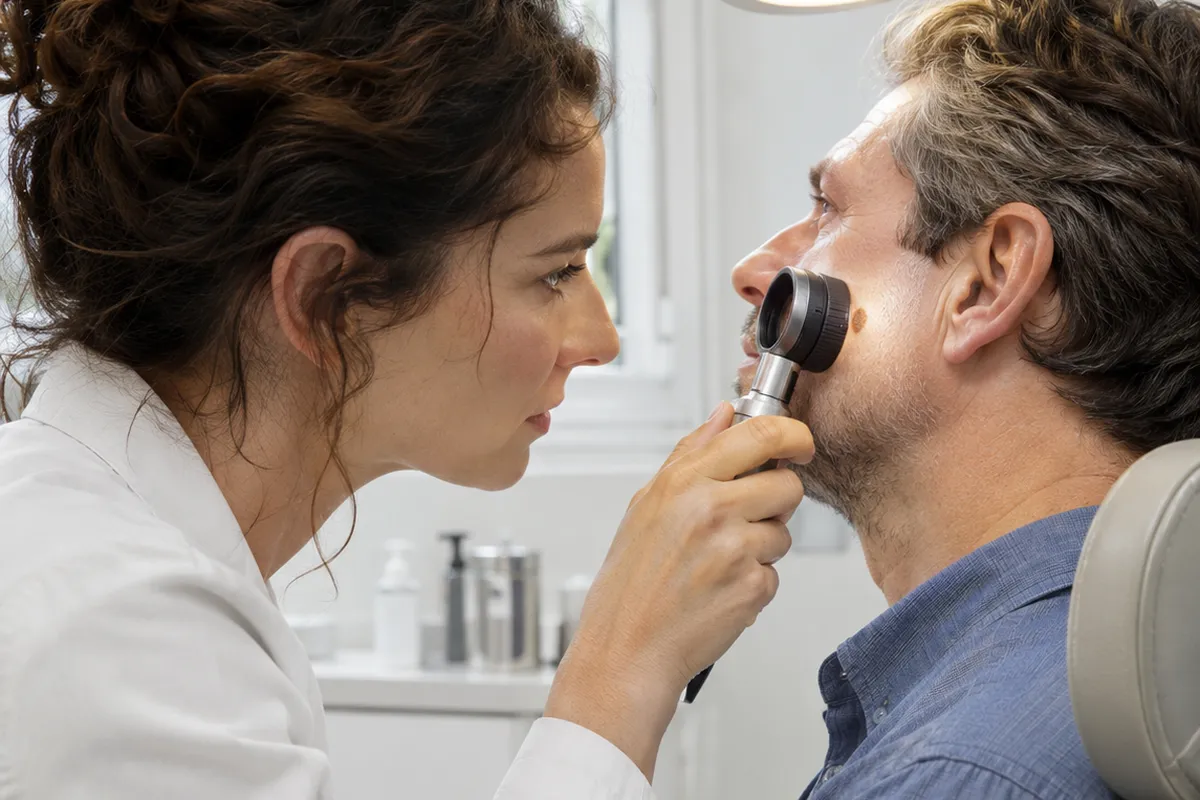
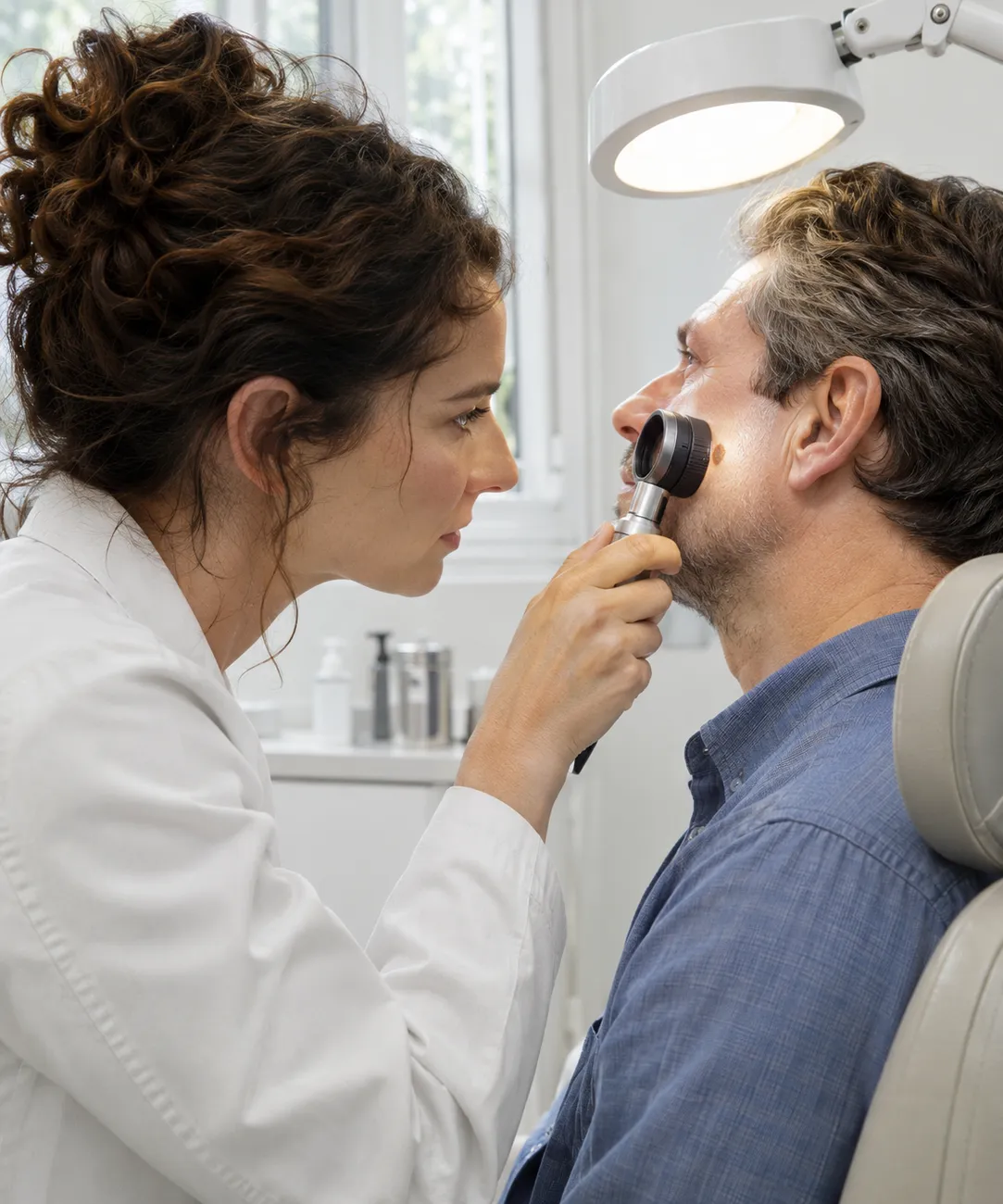
Doctor examining a patient's face with a dermatoscope under an examination light
Photograph of a consultation. The dots mark what the doctor is assessing.

Why it happens

What may lie behind open pores

There is almost always more than one cause at the same time. Choose a situation to see how it may contribute and what usually helps.

Oiliness and sebum

Pores are the channel through which sebum comes out. The more sebum the skin produces, the more the pore fills and stretches, and the more it shows. In a study of 60 volunteers, sebum was the factor most associated with pore size. That is why oily skin usually has more visible pores, especially on the nose and in the middle of the forehead.

What weighs on it

Over-washing the skin with harsh products, which leaves it “asking” for even more sebum, and using very rich creams on skin that is already oily.

What helps

Gentle cleansing, a light, oil-free moisturiser and, when indicated, prescribed active ingredients to regulate sebum; the doctor assesses what makes sense.

Normal or to be assessed

Ordinary enlarged pores or something to assess

In the great majority of cases, visible pores are just a matter of appearance. But some situations call for assessment before any treatment, because the pore is only the visible part.

  • What it looks like. Visible pores on both sides of the face, especially on the nose, forehead and cheeks, with oily or combination skin and without significant inflamed spots.

  • When it is noticed. In side light, up close in the mirror, after getting sun and more at the end of the day, when the skin shines.

  • What the clinic does. The doctor listens to the history, examines the skin and confirms that these are ordinary enlarged pores, before proposing what makes sense.

  • At home. Gentle cleansing, a light moisturiser, sunscreen every day and not squeezing; giving the skin time before looking for a procedure.

Do you have severe pain, heat and spreading redness on the face, or fever? Go to the emergency department or call 112. If you have a lesion that is changing or any doubts, out of hours you can call SNS 24: 808 24 24 24.

Book an assessment

What the clinic may consider

Options for improving the look of pores

First come the measures that really matter: sunscreen every day, gentle cleansing, products suited to oily skin and treatment of acne, when it exists. No procedure “closes” pores: what can be achieved is to reduce sebum and blockage and give more firmness to the surrounding skin, so that they show less. For this topic the clinic offers chemical peel and microneedling, and may also consider Sectum Neauvia radiofrequency, which stimulates collagen in depth. The evidence is limited: a review of 19 clinical trials, with 591 people, shows that several treatments reduce the number and area of pores, and that several sessions and combinations help; but the studies are small, heterogeneous and almost always short term. Studies with microneedle radiofrequency, in particular, were carried out with specific devices and are observational, so the doctor explains what applies to your case. Results vary, are gradual, generally temporary and need maintenance.

Book an assessment
Dr Michelle Campagnoli, clinical director of Clínica Luxmed

First step

Assessment consultation

The doctor listens to what you are experiencing, examines your case and explains the suitable options. No treatment begins without this consultation.

May be considered when

you want to understand the cause and decide on the best path, with time and without commitment.

Book an assessment
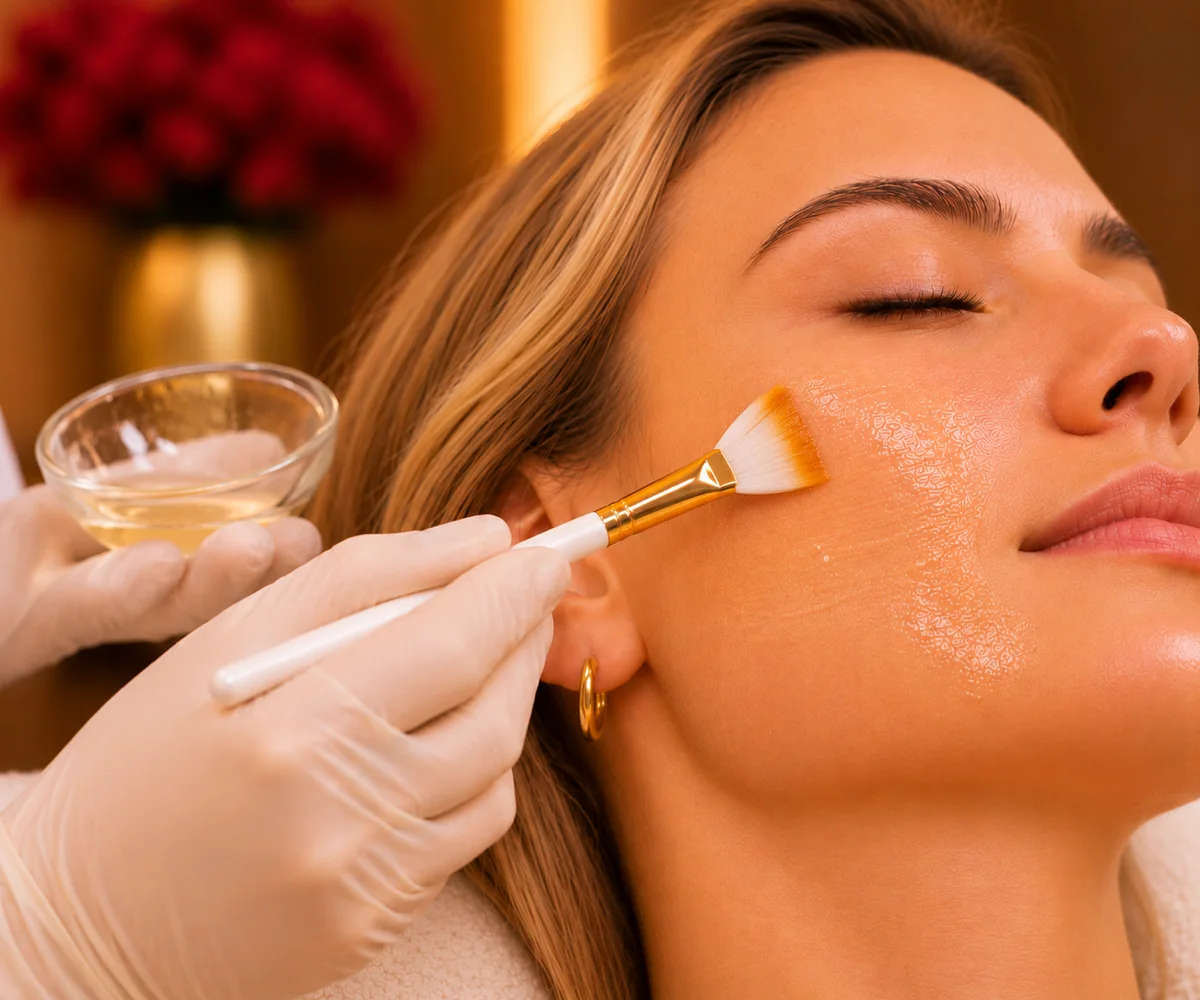
Application of a peel with a brush on the skin of the face, in bright consulting-room light

Skin renewal

Chemical peel

Application of an acid to the skin to renew the superficial layers, regulate the blockage of pores and even out the texture. It is the most suitable option when oiliness, blackheads or mild acne predominate; it does not reduce the size of the pore itself, but can make it less visible. In darker skin the agent is chosen carefully.

May be considered when

the pores are associated with oiliness, blackheads or mild acne, the skin is not irritated or infected, you are not pregnant or breastfeeding, you have not recently taken isotretinoin and the doctor has explained the risks and what is realistic to expect.

Find out more
A microneedling pen gliding over the skin of the face, in bright consulting-room light

Collagen stimulation

Microneedling

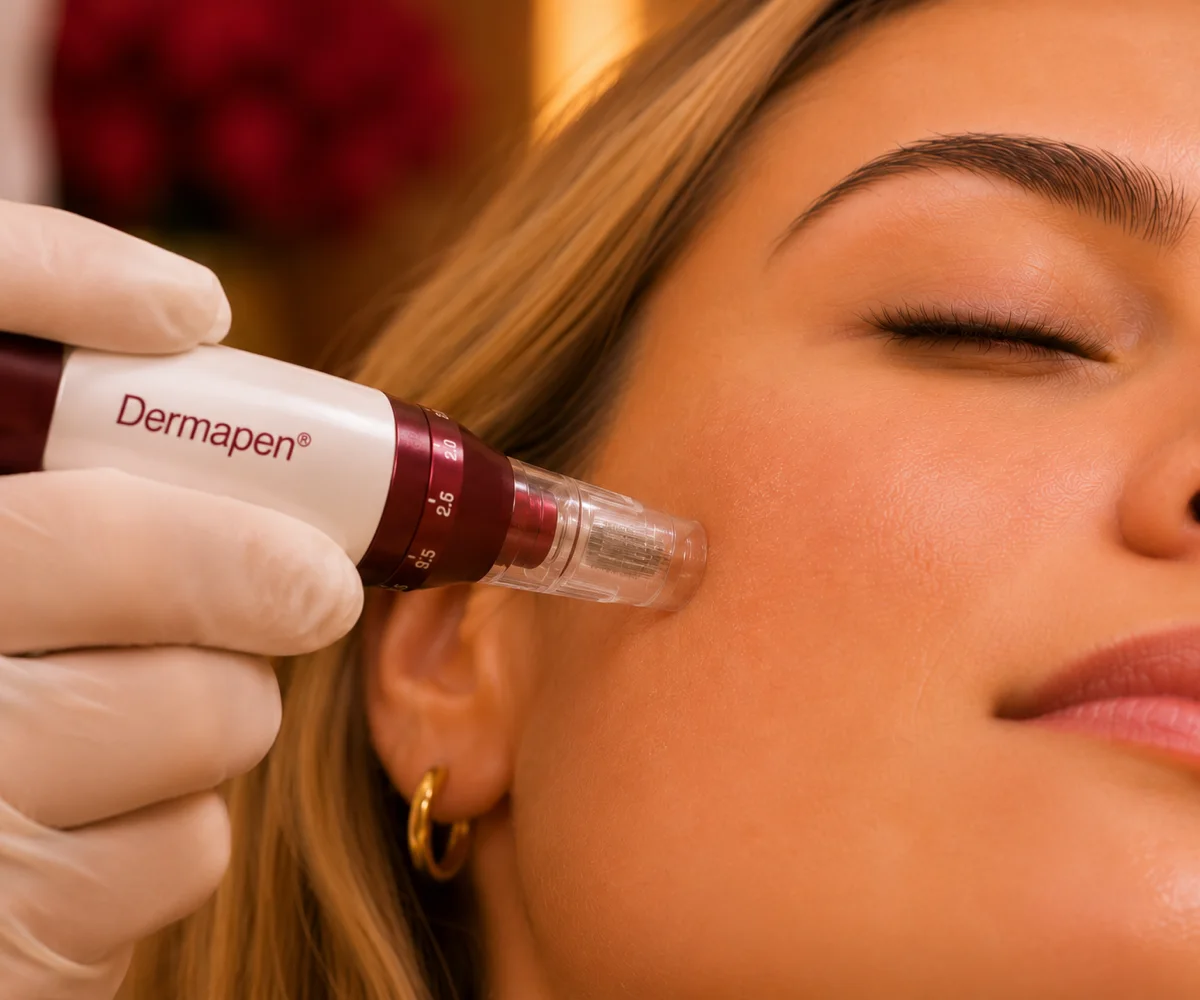
Controlled micro-injuries in the skin with very fine needles, which stimulate collagen and elastin and improve texture progressively, over several spaced sessions. It makes more sense when the main cause is loss of elasticity around the pore and acne marks; the benefit on isolated pores has limited evidence.

May be considered when

the pores are associated with loss of firmness, uneven texture or acne marks that are no longer inflamed, the skin is intact, without active inflamed acne, cold sore or infection, and the doctor has explained the risks and what is realistic to expect.

Find out more

What the journey looks like

From the first conversation to a plan tailored to you

No procedure begins without an assessment consultation with the doctor. Most people start with skin care and sun protection, and only then is more considered.

  1. 01At the clinic

    Telling your story

    The doctor asks since when you noticed the pores, whether the skin is oily or combination, whether there is or has been acne, the care and make-up routine, sun exposure, medication (including isotretinoin and hormonal medication) and whether there is pregnancy or breastfeeding.

  2. 02At the clinic

    Examining the skin

    The size and distribution of the pores, the oiliness, blackheads, elasticity and texture are examined. If there is moderate or severe acne, a lesion that has changed or any other reason for doubt, the first step is referral to dermatology.

  3. 03At home

    Care and sun protection

    The routine is adjusted: gentle cleansing, a light moisturiser, sunscreen every day and, when indicated, prescribed active ingredients. In many cases, this alone improves the appearance, after a few weeks.

  4. 04Over time

    Decide and follow up

    If the pores continue to bother you, the doctor explains whether a peel, microneedling or radiofrequency makes sense, how many sessions are needed and what can be expected, without promising results. The skin is reviewed and the plan adjusted, including maintenance.

Day to day

What helps at home

What you do at home matters more than you might think. These are sensible measures to take while you wait for your consultation and alongside the clinic’s plan.

The golden rule

Protect from the sun and do not squeeze

The sun weakens the skin around the pore, and squeezing widens and inflames it. These two measures weigh more than any cream. And a lesion that grows, bleeds or does not heal at a single point on the face should be seen by a doctor, instead of being “treated” at home.

Sunscreen every day

The sun is one of the factors that make the skin lose elasticity around the pore, and the damage accumulates.

In practice: a broad-spectrum sunscreen, of light texture and “non-comedogenic”, applied every morning, even when cloudy.

Gentle cleansing, twice a day

A suitable cleanser removes excess sebum and make-up without harming the skin.

In practice: wash in the morning and at the end of the day with a gentle product, without harsh soap, and always remove make-up before sleeping.

A light, oil-free moisturiser

Oily skin also needs hydration, and dehydrated skin produces more sebum to compensate.

In practice: choose gel or fluid textures, labelled “non-comedogenic”.

Record and bring to the consultation

It helps the doctor to see the pattern and whether the skin improves with care.

In practice: monthly photographs in the same light, and a list of products, medication and the phases when the skin is at its worst.

Dr Michelle Campagnoli, clinical director of Clínica Luxmed

Who will look after you

An assessment carried out by the doctor

At Luxmed, in Algés, the first step is always an assessment with Dr Michelle Campagnoli. She is the one who examines the skin, works out whether the pores are just a matter of appearance or whether there is a cause to treat, such as acne, and decides with you what makes sense, before any procedure.

  • Physical examination and medical historyA conversation about the care routine, sun, acne and medication, and an examination of the skin of the face.
  • A plan tailored to youA clear plan without unrealistic promises, starting with essential skincare and including follow-up over time.
  • No obligationThe cost of any treatment is confirmed only after the assessment.
Book an assessment

Book a consultation

Book your consultation

Choose how you prefer to get in touch. We will arrange the assessment consultation with Dr Michelle Campagnoli.

Booking through the websiteAssessment consultationTalk to our assistant on WhatsApp and ask for the current price of the assessment.

New Life Miraflores, Algés · Office Center, R. Santa Teresa do Menino Jesus n.º 6, 9.º C, 1495-048

Your details are used only for this contact. Any treatment depends on a prior medical assessment.

Request an appointmentIt takes less than a minute.
Speciality
You do not need to go into detail. The doctor will talk to you during the consultation.
Request received. Our team will contact you as soon as possible.
Can open pores close?

No, in the literal sense. The pore is the opening of a follicle, has no muscle and does not open or close. What can be achieved is that it shows less: reducing sebum and blockage, improving the elasticity of the surrounding skin and protecting from the sun. Studies show that several treatments reduce the number and area of pores, but results vary, are generally temporary and need maintenance. Therefore, the realistic aim is “less visible”, not “disappear”.

Why are my pores so large?

Almost always through a combination of causes: the amount of sebum the skin produces (the one that weighs most in the studies), loss of elasticity with age and sun, hormones, acne and genetics. Men, who have more sebum, have larger pores on average, and in women the size can vary with the menstrual cycle. So the first step is to work out what the cause is in your case.

Are enlarged pores caused by poor hygiene? Do men have them too?

No. Pores exist in everyone, and over-washing or scrubbing does not make them disappear; it can even irritate and increase oiliness. Men tend to have more visible pores, because they produce more sebum, but the concern is common in both sexes.

How can enlarged pores be reduced?

First come sunscreen every day, gentle cleansing, a light moisturiser and treatment of acne, if it exists. Topical retinoids and acids (such as salicylic acid) are used with indication, and the evidence that they reduce pore size is limited, especially when there is no acne. Only then, if the pores continue to bother you, is a procedure considered. The doctor assesses the cause and adapts the plan.

Does a chemical peel help with pores?

It can help to regulate blockage and oiliness and to even out texture, and it is one of the options the clinic offers. But controlled studies are mostly in acne, and not in pores, and they do not change the size of the pore itself; results vary and are generally temporary. It is not carried out with irritated or infected skin, during pregnancy or breastfeeding without indication, or straight after isotretinoin, and it requires sun protection.

Does microneedling close the pores?

It does not close them, but it can improve skin texture, because it stimulates collagen, and it is used for acne marks and scars with good evidence. For pores themselves, the evidence is more limited. It is carried out over several sessions spaced weeks apart, causes redness and sensitivity for a few days and is not carried out with skin that is inflamed, infected or has an active cold sore.

Does radiofrequency help with pores? And Sectum Neauvia?

Radiofrequency heats the skin in depth and stimulates collagen, which gives more firmness to the skin around the pore. Studies of pores with radiofrequency were carried out with fractional microneedle radiofrequency: in an observational study of 75 people, the improvement after the first session was modest and increased with more sessions, with temporary redness, pain and swelling and, in some cases, an acne-like eruption. We do not know whether these results apply to Sectum, which is a different device, so the doctor explains what is realistic in your case. It is not a guarantee of a result.

How many sessions are needed and are the results permanent?

There are no guaranteed or permanent results. Several sessions, spaced weeks apart, are normally needed, and the improvement is gradual, over months. Because the skin continues to produce sebum and to age, the look tends to return without maintenance and sun protection. The doctor sets out the plan and expectations at the assessment, without promising results.

Can I have these treatments if I take or have taken isotretinoin, or if I am pregnant?

You should always say so in the consultation. People taking isotretinoin have more fragile skin and procedures that are harsh on the skin, such as peels and microneedling, are usually postponed and only decided with the doctor. During pregnancy and breastfeeding, some active ingredients and procedures are not recommended, and the decision is made case by case. Isotretinoin is only used on prescription and with pregnancy prevention, because of the risk to the baby.

When should I see a doctor first?

Book a consultation if you have moderate or severe acne, with painful spots, cysts or scars, or acne that does not improve with what you have already tried. If there is a lesion at a single point on the face that grows, bleeds, has a crust or does not heal, it should be seen by a dermatologist before any treatment. If in doubt, out of hours call SNS 24 (808 24 24 24). With severe pain, heat and spreading redness on the face, or fever, go to the emergency department or call 112.

We could not find that question. Ask us on WhatsApp

Scientific references

This page is based on the sources below and was reviewed by Dr. Michelle Campagnoli. Last updated on .

  1. Lee SJ, Seok J, Jeong SY, Park KY, Li K, Seo SJ. Facial Pores: Definition, Causes, and Treatment Options. Dermatol Surg, 2016.
  2. Roh M, Han M, Kim D, Chung K. Sebum output as a factor contributing to the size of facial pores. Br J Dermatol, 2006.
  3. Flament F, Francois G, Qiu H, Ye C, Hanaya T, Batisse D, Cointereau-Chardon S, Seixas MDG, Dal Belo SE, Bazin R. Facial skin pores: a multiethnic study. Clin Cosmet Investig Dermatol, 2015.
  4. Dong J, Lanoue J, Goldenberg G. Enlarged facial pores: an update on treatments. Cutis, 2016.
  5. Parvar SY, Amani M, Shafiei M, Rastaghi F, Hosseini SA, Ahramiyanpour N. The efficacy and adverse effects of treatment options for facial pores: A review article. J Cosmet Dermatol, 2023.
  6. Ren K, Liu H, Li B, Zhou B. Fractional microneedle radiofrequency treatment for enlarged facial pores: A real-world retrospective observational study on 75 patients. J Cosmet Dermatol, 2022.
  7. Alster TS, Graham PM. Microneedling: A Review and Practical Guide. Dermatol Surg, 2018.
  8. Kessler E, Flanagan K, Chia C, Rogers C, Glaser DA. Comparison of alpha- and beta-hydroxy acid chemical peels in the treatment of mild to moderately severe facial acne vulgaris. Dermatol Surg, 2008.
CallAssistantAvailableBook