Algés, Oeiras Mon to Fri · 09:00 to 13:00 and 14:00 to 19:00 · Sat · 09:00 to 14:00
WhatsApp Book a consultation

Facial aesthetics

Blackheads and comedonesWhen the pores on your nose and chin look blocked and you want to understand why they keep coming back and what really helps

Blackheads are blocked pores that stay open at the surface, and that is why they darken. Closed comedones, the “whiteheads”, are the same blockage but with the exit covered over by skin. They appear mainly on the nose, chin and forehead, where there are more sebaceous glands, and are among the most common concerns of facial skin. They are almost always the mildest form of acne, and not a sign of poor hygiene. There are also situations that look like blackheads and are not, and others in which an assessment is advisable before treating. Here we explain what they are, why they come back, what helps first, what a facial cleanse and chemical peel can and cannot do and when to talk to a doctor, at Clínica Luxmed, in Algés.

Reviewed by Dr Michelle Campagnoli, clinical director

  • 2treatment options for this concern
  • 1assessment, always first
  • Nocommitment
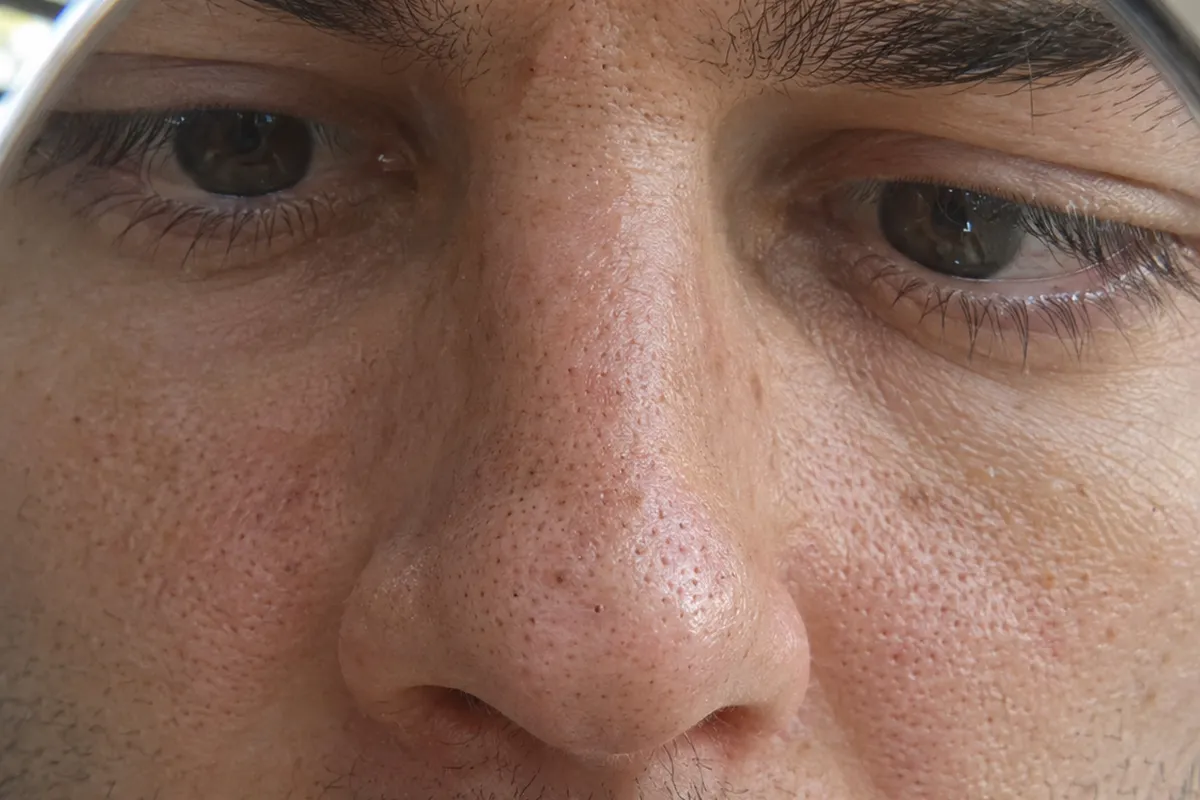
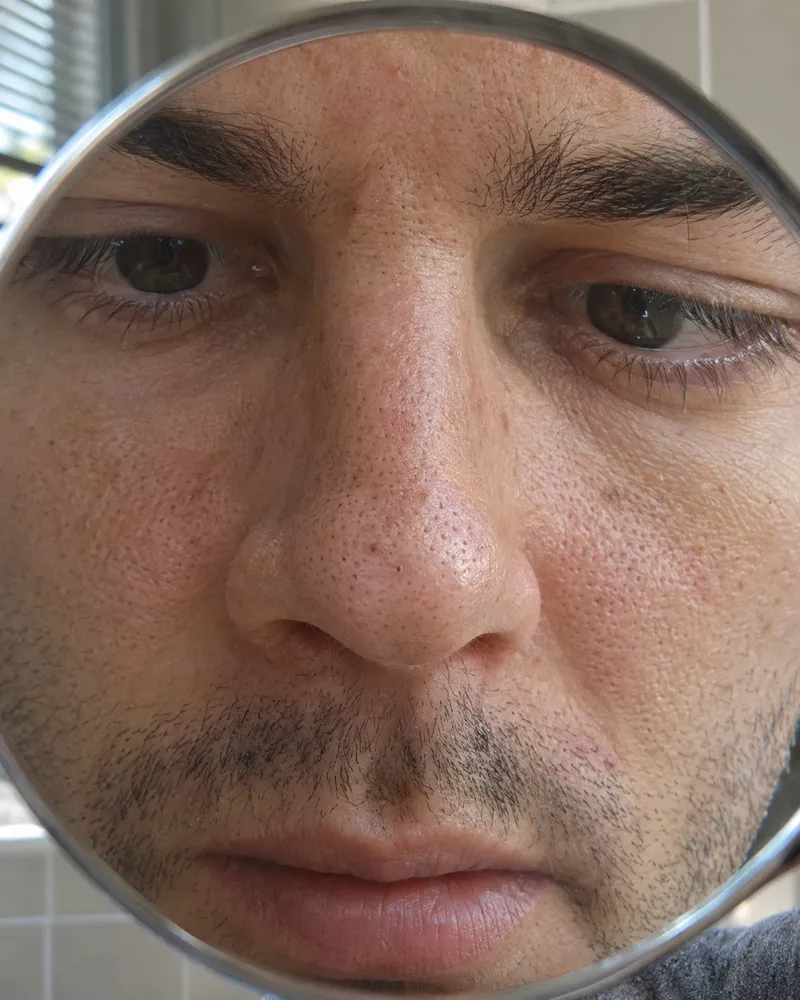
Man looking in a shaving mirror, with enlarged pores and blackheads on his nose

How to recognise it

Are they blackheads or comedones?

Not all little dots on the nose are the same: some are black, some white, and some are not comedones. These signs help you understand what is going on before the assessment.

Tick what you recognise0/7

Tick the signs you recognise in your case. This is not a diagnosis, it is only meant to give you an idea.

Do you have a single lesion that does not look like a blackhead, that grows, bleeds, crusts or does not heal, or a “spot” that always stays in the same place? Are there many inflamed spots, painful nodules or marks that remain? Is there redness, heat, pain or pus in an area that has been squeezed? You need a medical assessment before any treatment. Out of hours, call SNS 24: 808 24 24 24.

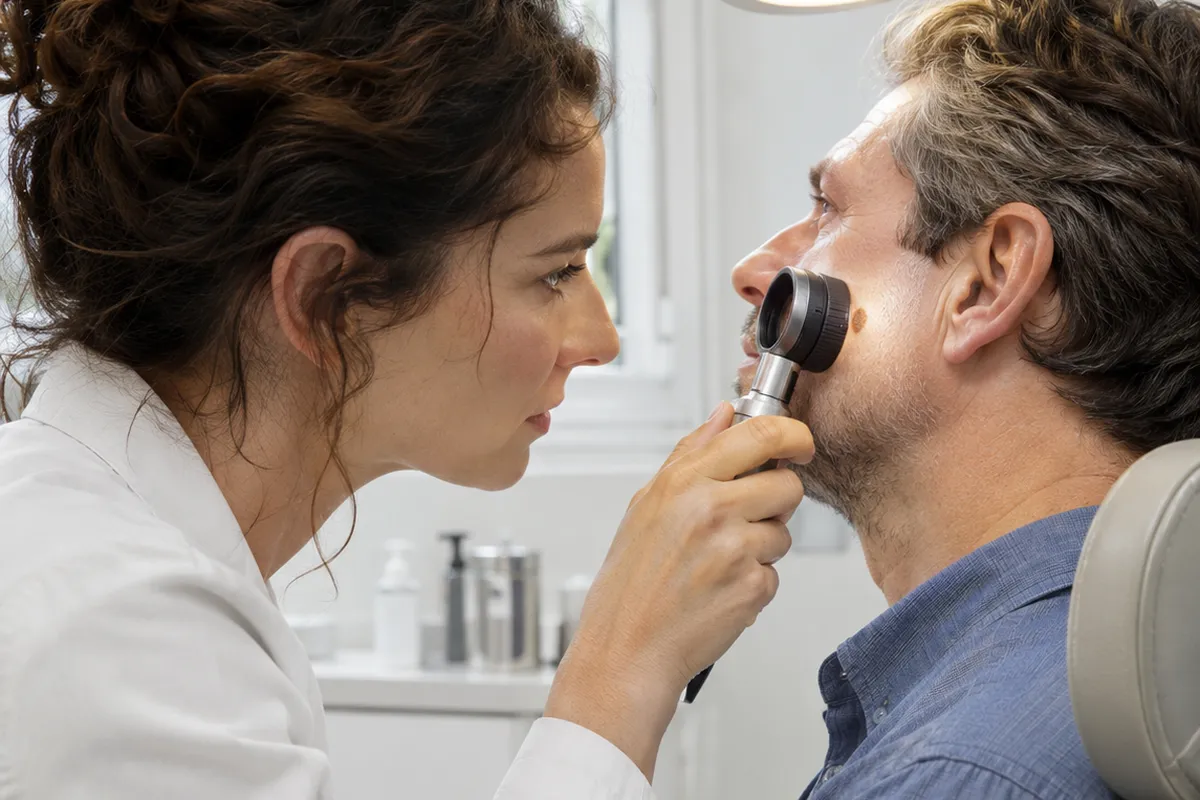
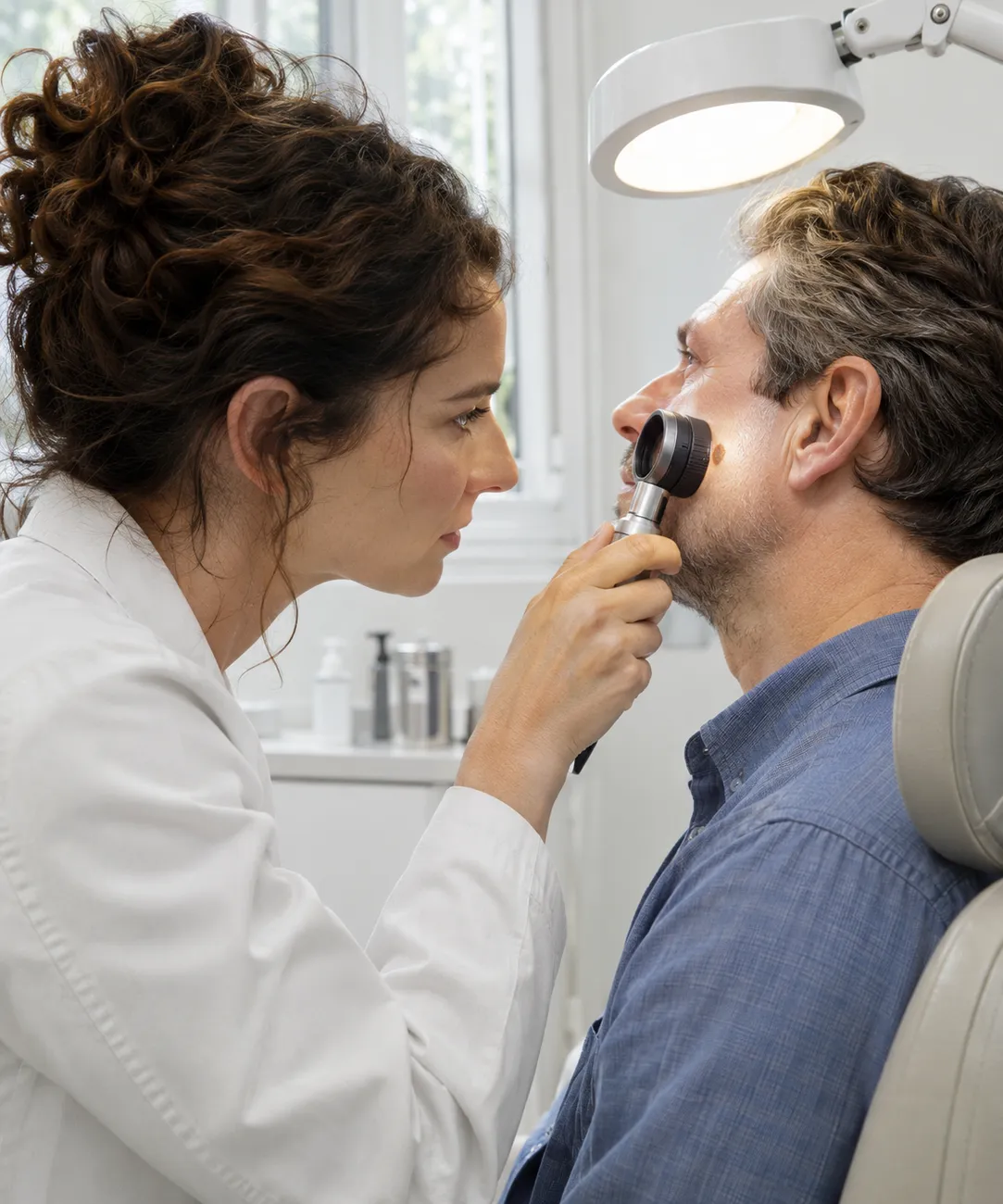
Doctor examining a patient's face with a dermatoscope under an examination light
Photograph of a consultation. The dots mark what the doctor is assessing.

Why it happens

What may lie behind blackheads

There is almost always more than one cause at the same time. Choose a situation to see how it may contribute and what usually helps.

Sebum and the cells that get trapped

Each pore is the exit of a hair follicle with its sebaceous gland. When sebum and surface cells build up and block the exit, a comedone forms: if the pore stays open, the contents darken and the blackhead can be seen; if it stays covered, the closed comedone can be seen. In areas with more glands, such as the nose and chin, it happens more.

What weighs on it

Thinking the skin is “dirty”: the dark colour is not dirt and scrubbing hard only irritates.

What helps

Cleansing gently, once or twice a day, and using an active ingredient that helps the pore to drain, instead of scrubbing.

Normal or to be assessed

Simple comedones or something to assess

Most blackheads are a mild form of acne and not dangerous. But some situations call for an assessment before any treatment, because not everything that looks like a blackhead is a comedone.

  • What it looks like. Dark, flat little dots, or small skin-coloured bumps, especially on the nose, chin and forehead, without inflammation, without pain and with similar pores around them.

  • When it is noticed. In strong light and in a magnifying mirror, or when the skin is rough to the touch. It gets worse with heavy products, sweat and heat.

  • What the clinic does. The doctor listens to the history, examines the skin and confirms that they are ordinary comedones, before proposing what makes sense.

  • At home. Gentle cleansing, non-comedogenic products, a light sunscreen and, if you wish, an active ingredient made for the pore. Giving the skin weeks, without squeezing.

Do you have severe swelling of the face that feels hot, severe pain or fever? Call SNS 24: 808 24 24 24, or go to the emergency department. Call 112 if there is shortness of breath, swelling of the tongue or throat, or if you feel very unwell.

Book an assessment

What the clinic may consider

Options for blackheads and comedones

Blackheads come back if the cause persists, and so the first lines of defence are those at home and from the pharmacy, or, when there is acne, medical treatment. Only then, and after an assessment, the clinic may consider a professional facial cleanse or a chemical peel. The evidence is limited: a large part of the studies on peels were carried out in acne and other concerns, not only in comedones, and an extraction cleans the pores but does not change the tendency for them to block again. Results vary from person to person, are not permanent and need maintenance. The active ingredient and depth of the peel are decided in the consultation, and may not be suitable during pregnancy and in other situations.

Book an assessment
Dr Michelle Campagnoli, clinical director of Clínica Luxmed

First step

Assessment consultation

The doctor listens to what you are experiencing, examines your case and explains the suitable options. No treatment begins without this consultation.

May be considered when

you want to understand the cause and decide on the best path, with time and without commitment.

Book an assessment
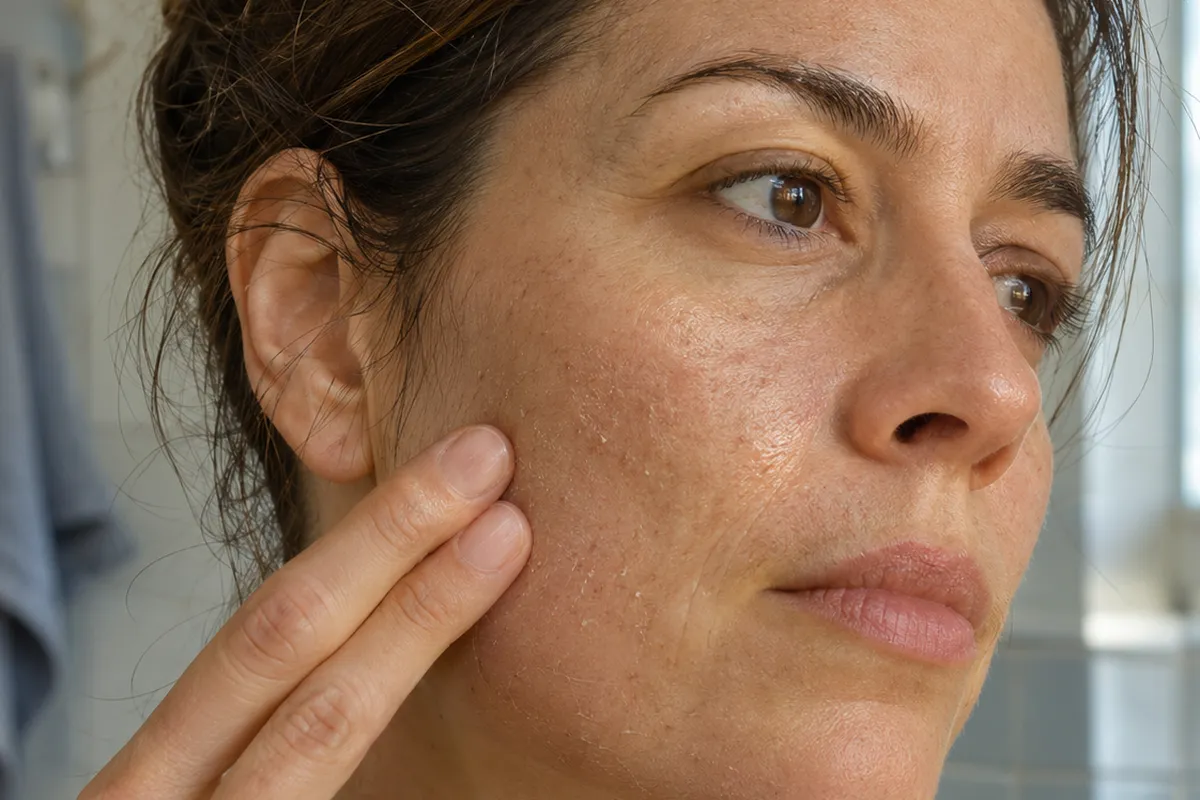
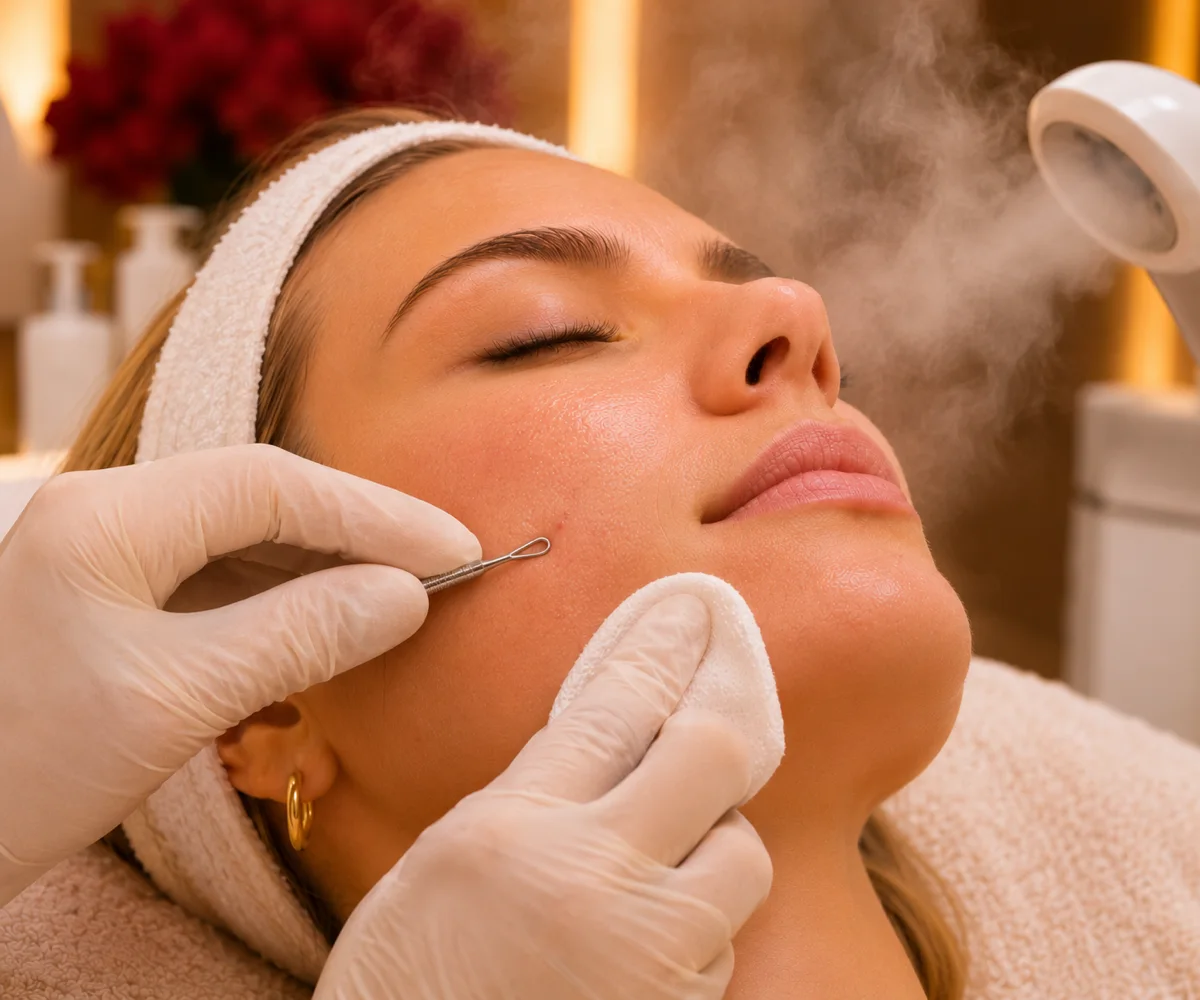
Professional facial cleanse: steam and extraction technique, in bright consulting-room light

Skin cleansing

Regenerative cleansing

Professional skin cleansing to purify and revitalise, removing impurities and comedones from the pores and stimulating cell renewal. It helps to unblock pores that have already formed, but does not stop them forming again, and so it is usually combined with care at home.

May be considered when

the skin is not inflamed or irritated, there is no moderate or severe active acne awaiting treatment, and the doctor has explained what is realistic to expect and when to repeat.

Find out more
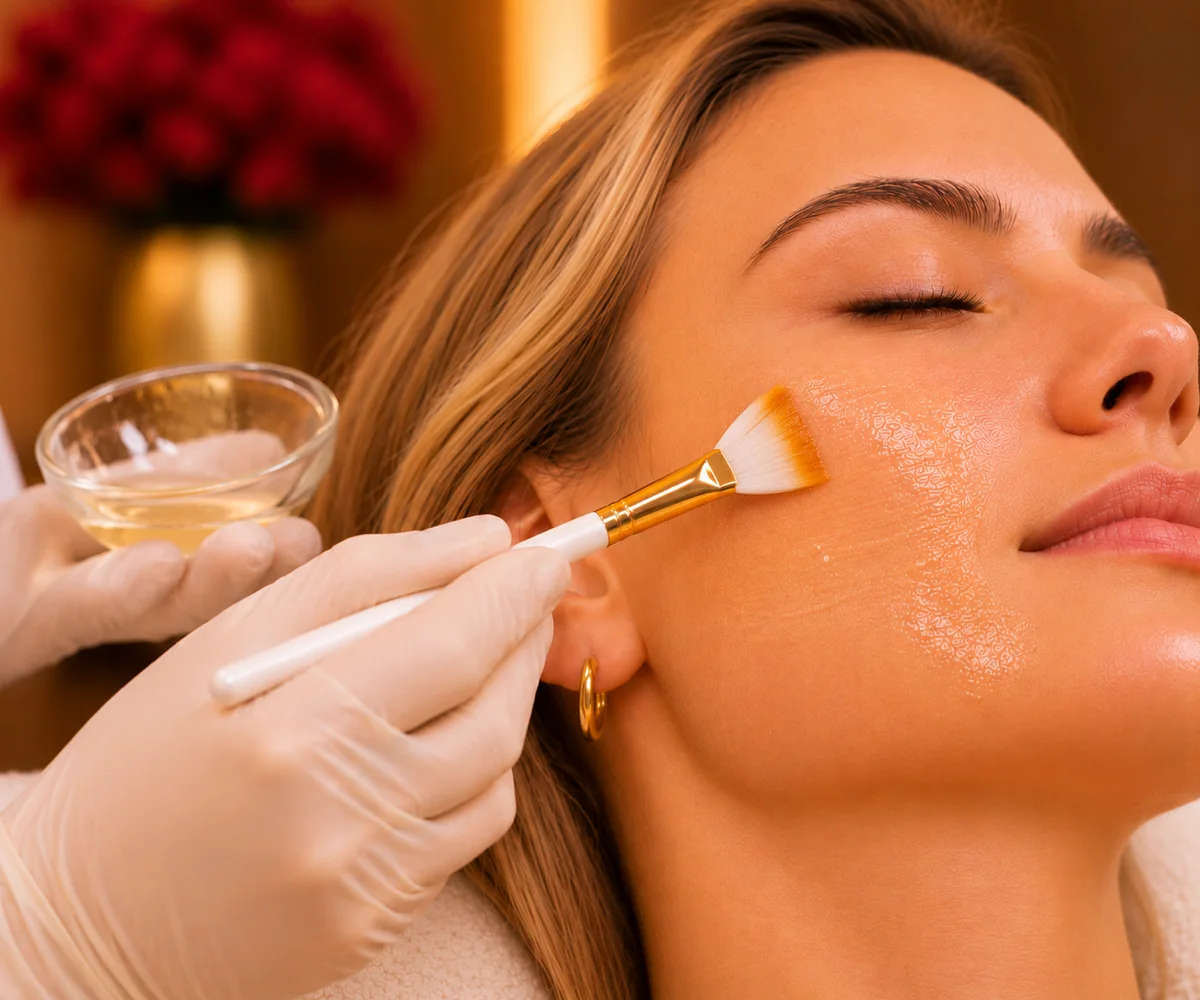
Application of a peel with a brush on the face, in bright consulting-room light

Skin renewal

Chemical peel

Application of an acid to the skin to renew the superficial layers, loosen what blocks the pores, even out tone and soften texture. After a peel, the skin is more sensitive to the sun, and in darker skin the agent is chosen carefully, because irritation can leave marks.

May be considered when

the skin has been assessed, is not irritated or using products that make it sensitive, you are not pregnant or breastfeeding, and the doctor has explained the risks and what is realistic to expect.

Find out more

What the journey looks like

From the first conversation to a plan tailored to you

No procedure begins without an assessment by the doctor. Most people start with the simplest approach, and only then is anything further considered.

  1. 01At the clinic

    Telling your story

    The doctor asks since when the dots have been there, where they appear, whether there are spots, whether it gets worse before your period and which creams, make-up and treatments you have already used. Also say whether you are pregnant or intend to become pregnant, and which medicines you take.

  2. 02At the clinic

    Examining the skin

    The skin type and the type of comedones are observed, along with whether there is inflamed acne and signs of sun damage. If the acne is moderate or severe, there are scars or there is a lesion that is not a comedone, the doctor refers to dermatology.

  3. 03At home

    Simplify the routine

    Gentle cleansing, a non-comedogenic moisturiser and sunscreen and, when it makes sense, an active ingredient for the pore, such as salicylic acid, or a retinoid on medical advice. In many cases this alone improves the skin, after weeks.

  4. 04Over time

    Decide and follow up

    If the dots persist, the doctor explains whether a professional cleanse or a peel makes sense, what can be expected and how often, without promising results. The examination is repeated and the plan adjusted, including maintenance.

Day to day

What helps at home

What you do at home matters more than you might think. These are sensible measures to take while you wait for your consultation and alongside the clinic’s plan.

The golden rule

Unblock the skin without harming it

Blackheads are resolved more by regularity and patience than by force. Squeezing, scrubbing and using harsh products irritates the skin, can leave marks and does not stop the pores from blocking again. A simple routine, kept up for weeks, is worth more than many products at the same time. And if there is moderate or severe acne, the route is medical treatment.

Wash gently

Clean skin helps, but over-cleansing irritates and can increase oiliness.

In practice: wash the face up to twice a day and after sweating, with your fingertips and a gentle product, without scrubbing with rough towels.

Choose non-comedogenic products

Very rich creams, sunscreens and make-up can encourage blockage.

In practice: look on the label for “non-comedogenic” or “does not block pores”, and remove make-up every night.

Give an active ingredient for the pore time

Salicylic acid, retinoid and other active ingredients work after weeks, and may irritate at first.

In practice: start slowly, on alternate days, at night, with a moisturiser and sunscreen by day. A retinoid, when indicated, is on medical advice.

Protect the skin from the sun

Some active ingredients for the pore and peels make the skin more sensitive to the sun, and the sun leaves dark marks.

In practice: use a non-comedogenic sunscreen of factor 30 or higher, every day.

Dr Michelle Campagnoli, clinical director of Clínica Luxmed

Who will look after you

An assessment carried out by the doctor

At Luxmed, in Algés, the first step is always an assessment with Dr Michelle Campagnoli. She is the one who examines the skin, works out whether they are ordinary comedones or whether there is acne or another lesion to assess, and decides with you what makes sense, before any procedure.

  • Examination of the skin and clinical historyA conversation about the routine, products, hormones and medication, and an examination of the skin.
  • A plan tailored to youA clear plan, without promises, with home care first and follow-up over time.
  • No obligationThe cost of any treatment is confirmed only after the assessment.
Book an assessment

Book a consultation

Book your consultation

Choose how you prefer to get in touch. We will arrange the assessment consultation with Dr Michelle Campagnoli.

Booking through the websiteAssessment consultationTalk to our assistant on WhatsApp and ask for the current price of the assessment.

New Life Miraflores, Algés · Office Center, R. Santa Teresa do Menino Jesus n.º 6, 9.º C, 1495-048

Your details are used only for this contact. Any treatment depends on a prior medical assessment.

Request an appointmentIt takes less than a minute.
Speciality
You do not need to go into detail. The doctor will talk to you during the consultation.
Request received. Our team will contact you as soon as possible.
What are blackheads and why do they appear?

They are blocked pores that stay open at the surface. Each pore is the exit of a hair follicle with a sebaceous gland, and, when sebum and skin cells build up and block that exit, an open comedone, or blackhead, forms. The darkening is in the contents of the pore and is not dirt, so washing more does not resolve it. They appear mainly on the nose, chin and forehead, where there are more sebaceous glands, and are the mildest form of acne.

Are blackheads and whiteheads the same thing?

They are the same type of blockage. In a blackhead, the pore stays open and the contents are visible and dark; in a whitehead, or closed comedone, the exit is covered by skin and a small skin-coloured or whitish bump can be seen. Closed comedones cannot be removed without opening the skin, and squeezing them usually inflames them. They should not be confused with milia, small, hard, white keratin cysts, common around the eyes.

Are blackheads a lack of hygiene?

No. The dark colour comes from the contents of the pore and not from dirt, and over-washing or scrubbing hard irritates the skin and can worsen oiliness. What weighs most is the amount of sebum, hormones, genetics and products that block the pores. Wash your face gently up to twice a day and after sweating, and remove make-up at night.

Why do blackheads keep coming back?

Because the cause persists: the follicle continues to produce sebum and accumulate cells, and the pore blocks again. Removing the blackhead, by extraction or with strips, cleans the pore but does not change the tendency to block again, so it returns after weeks. What helps is to maintain regular, gentle care, with non-comedogenic products and, when it makes sense, an active ingredient for the pore.

How can blackheads on the nose be removed without damaging the skin?

Without squeezing. At home, use gentle cleansing, a non-comedogenic product and, if you wish, an active ingredient for the pore, such as salicylic acid, on alternate days and starting slowly. A topical retinoid, which is one of the treatments with the most evidence in acne, is used on medical advice. If you want a cleanse with extraction, leave it to a professional, after the skin has been examined, and expect temporary results.

Is squeezing blackheads bad?

It can be. Squeezing or picking with fingernails can inflame and infect the pore, push the contents inwards, prolong healing time and leave red or brown marks, and sometimes scars. Dermatologists advise against squeezing acne. If you feel tempted to squeeze, prefer a professional cleanse or, better, treat the cause. If there is redness, heat, pain or pus after squeezing, talk to a doctor.

Do salicylic acid and retinoids help with comedones?

Yes, both have a basis in acne, which is where comedones are studied most. The 2024 guideline of the American Academy of Dermatology strongly recommends topical retinoids for acne and makes a conditional recommendation for salicylic acid. They work after weeks and may irritate at first, with dryness and flaking. Topical retinoids and salicylic acid in high concentration should be avoided during pregnancy, so talk to the doctor before using them if you are pregnant or may become pregnant.

Does a professional facial cleanse resolve blackheads?

It cleans the pores and improves the look of the skin, but the effect is temporary: if the tendency to block persists, the dots come back. The clinic’s regenerative cleansing aims to purify the skin and remove impurities, and works better as part of a plan, with care at home and follow-up, than as a single solution. It is not carried out on very inflamed or irritated skin, and the doctor tells you whether it makes sense in your case.

Does a chemical peel help with blackheads and comedones?

It can help to loosen what blocks the pores and to even out skin texture, and superficial peels, with agents such as salicylic or glycolic acid, are described in acne. But the evidence comes mainly from studies in acne and other concerns, not only in comedones, and results vary and need repeating. It leaves the skin more sensitive to the sun, in darker skin it can leave marks, and it is not carried out during pregnancy or breastfeeding. The doctor decides the type and depth after examining the skin.

When should I see a doctor about blackheads?

Book a consultation if there are many inflamed spots, painful nodules, marks or scars, if the skin gets worse before your period or has other hormonal signs, or if products have not helped after a few weeks. Moderate or severe acne, or acne that leaves marks, should be seen by a dermatologist: there are effective medical treatments, and some, such as isotretinoin, cannot be used during pregnancy. Also go if a lesion grows, bleeds, crusts or does not heal. Out of hours call SNS 24 (808 24 24 24). With large, hot swelling of the face, severe pain or fever, go to the emergency department, and call 112 if there is shortness of breath.

We could not find that question. Ask us on WhatsApp

Scientific references

This page is based on the sources below and was reviewed by Dr. Michelle Campagnoli. Last updated on .

  1. DermNet. Comedo. (dermnetnz.org, acedido 2026-11-11)
  2. DermNet. Acne vulgaris: features, types, and treatments. (dermnetnz.org, acedido 2026-11-11)
  3. Reynolds RV, Yeung H, Cheng CE, Cook-Bolden F, Desai SR, Druby KM, et al. Guidelines of care for the management of acne vulgaris. J Am Acad Dermatol, 2024.
  4. Arif T. Salicylic acid as a peeling agent: a comprehensive review. Clin Cosmet Investig Dermatol, 2015.
  5. DermNet. Chemical peels (face peels). (dermnetnz.org, acedido 2026-11-11)
  6. DermNet. Enlarged pores. (dermnetnz.org, acedido 2026-11-11)
  7. American Academy of Dermatology. Acne: tips for managing. (aad.org, acedido 2026-11-11)
  8. DermNet. Acne in pregnancy. (dermnetnz.org, acedido 2026-11-11)
  9. Aneri V, Catarino A, Eguren C, Hernández I, Merino N, Nogués S, Obón L, Salleras M. Iberia Consensus on strategies to prevent and manage irritation by topical retinoids in facial and trunk acne. Actas Dermosifiliogr, 2024.
  10. Wong CM, Guo C, Scheufele CJ, Nguyen DA, Charles JEM, Carletti M, Weis SE. Presentations of cutaneous disease in various skin pigmentations: acne vulgaris, comedonal acne. HCA Healthc J Med, 2024.
  11. Lee SJ, Seok J, Jeong SY, Park KY, Li K, Seo SJ. Facial pores: definition, causes, and treatment options. Dermatol Surg, 2016.
  12. National Health Service (NHS). Acne. (nhs.uk, acedido 2026-11-11)
CallAssistantAvailableBook