What is sensitive skin and why does it react to everything?
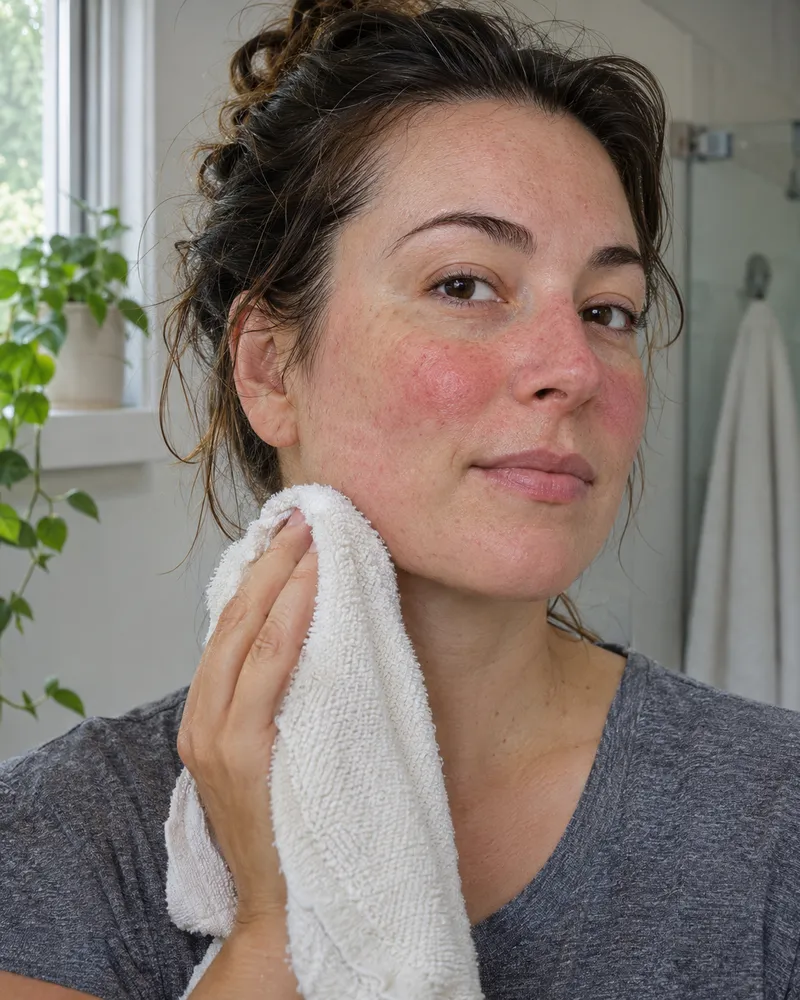
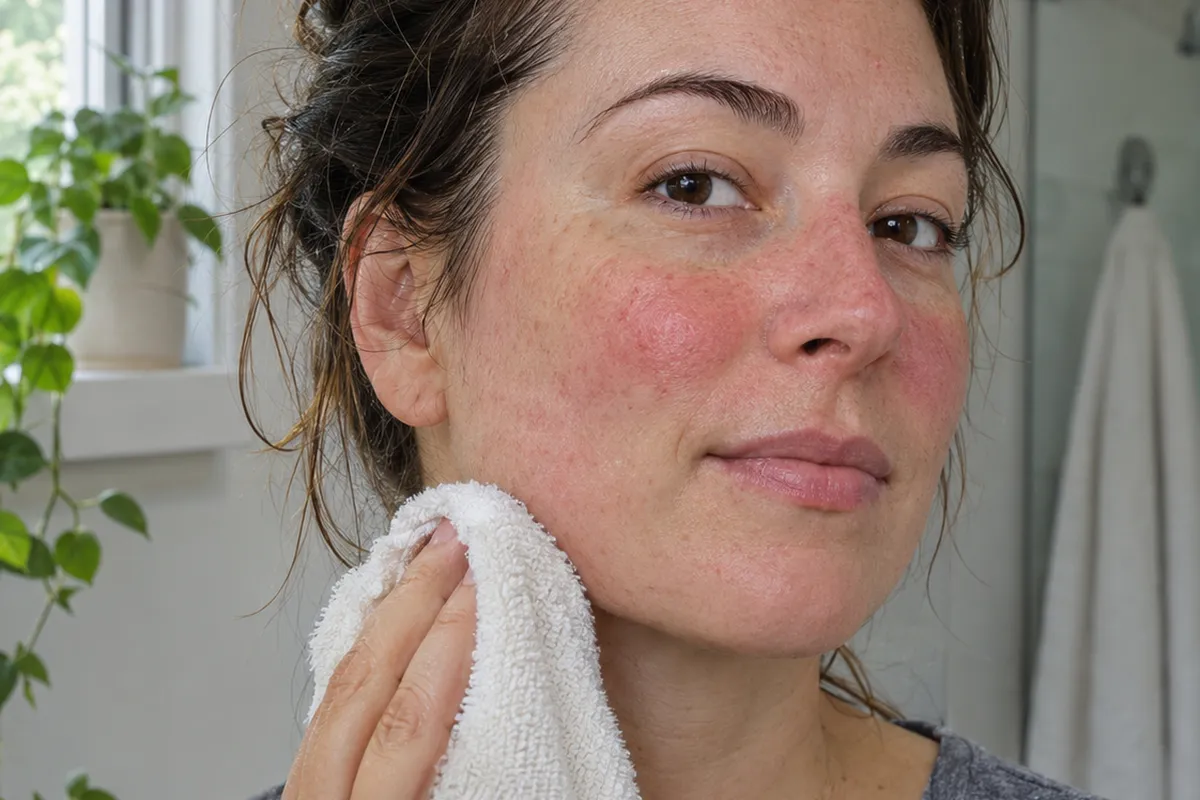
Sensitive skin is a syndrome of unpleasant sensations, such as stinging, prickling, pain, itching or tingling, in response to stimuli that would not normally cause them, with no lesion to explain them. The skin may look normal or show redness, and it is more frequent on the face. Specialists link it to an alteration of the skin’s nervous system, often with a weakened barrier, and not to a disease of the immune system. That is why it reacts to cosmetics, soaps, sunscreens, cold and dry air. The first step is to work out whether there is a treatable cause in your case.
Are sensitive skin, reactive skin and an allergy the same thing?
No. “Sensitive” and “reactive” are usually used as synonyms to describe skin that reacts easily. A contact allergy is a reaction of the immune system to a specific substance, for example a fragrance or a preservative, and is confirmed with patch tests. Irritation does not need an allergy: it is enough for the product to be harsh on the skin at that moment. The distinction matters because an allergy is resolved by avoiding the substance and irritation by calming the barrier.
Could my sensitive skin be rosacea or eczema?
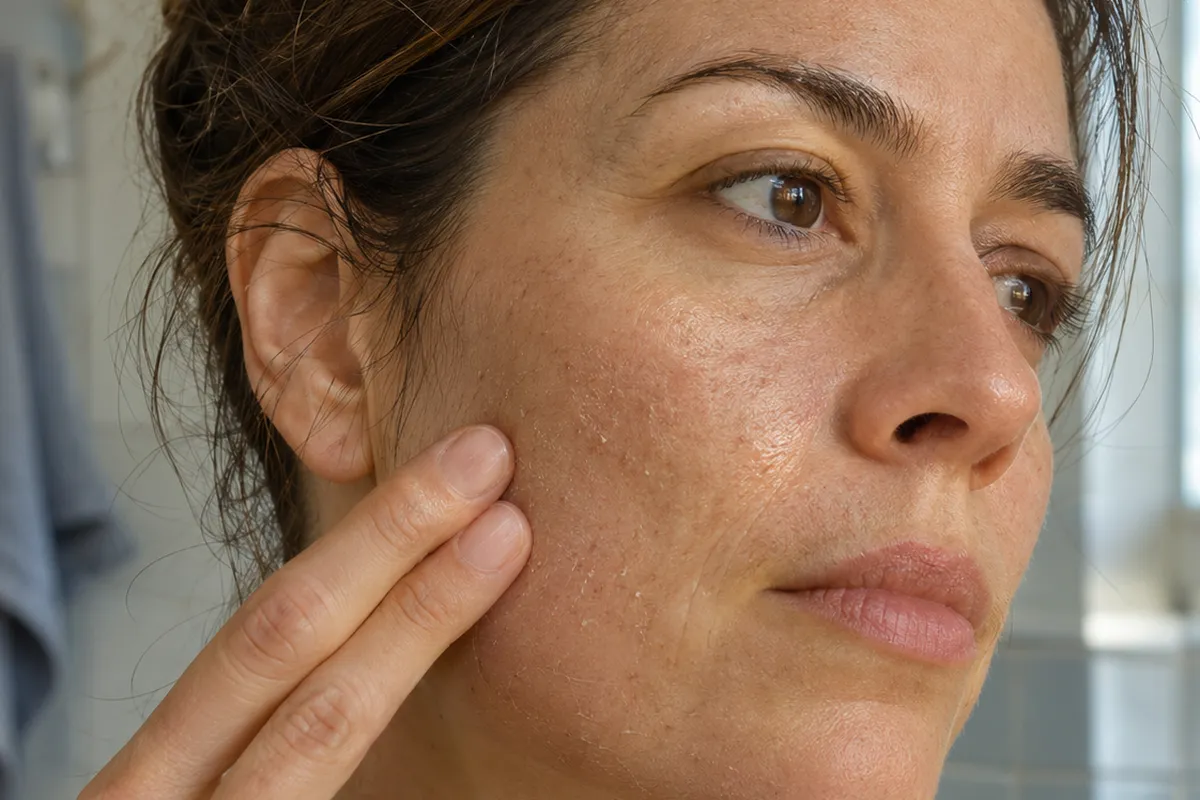
It could. Rosacea shows as repeated flushing, small blood vessels and, sometimes, spots, and many people feel stinging and prickling. Atopic eczema gives dry, itchy, flaking skin, and seborrhoeic dermatitis gives flaking in the folds of the nose and in the eyebrows. All are treated differently, and skin that is merely “sensitive” does not have these lesions. If you recognise these signs, it is worth seeing a doctor to put a name to what is going on.
Does sensitive skin go away? Is it for life?
It depends on the cause. If it is a barrier weakened by too many products, it usually improves within weeks, with a simple routine and without harsh treatment. If it is contact dermatitis, it improves when the responsible product is avoided. A tendency to react may persist, so the realistic aim is to reduce flare-ups and discomfort, and not to guarantee skin that never reacts. The doctor sets out with you what is reasonable to expect.
How do I look after sensitive skin at home?
With few products: a gentle cleanser, a simple moisturiser and a well-tolerated sunscreen, and lukewarm water. Exfoliants, acids and products with fragrance are removed, and one new product at a time is introduced, tested on a small area. Specialists advise avoiding known triggers and choosing well-tolerated cosmetics, but there is no evidence that a specific product resolves the sensitivity. If it does not improve in a few weeks, or there are strong reactions, seek an assessment.
Can I use sunscreen if my skin stings with everything?
You should. The sun worsens redness and marks, and avoiding sunscreen for fear of a reaction leaves the skin more exposed. Choose one with SPF 30 or higher and good UVA protection, test it on a small area and compare tolerance as you go; the preservatives and filters in some products can cause an allergy in some people. If they all sting, talk to the doctor, who can help to work out whether there is an allergy or another cause and suggest alternatives, as well as a hat and shade.
What aesthetic treatments can be carried out on sensitive skin?
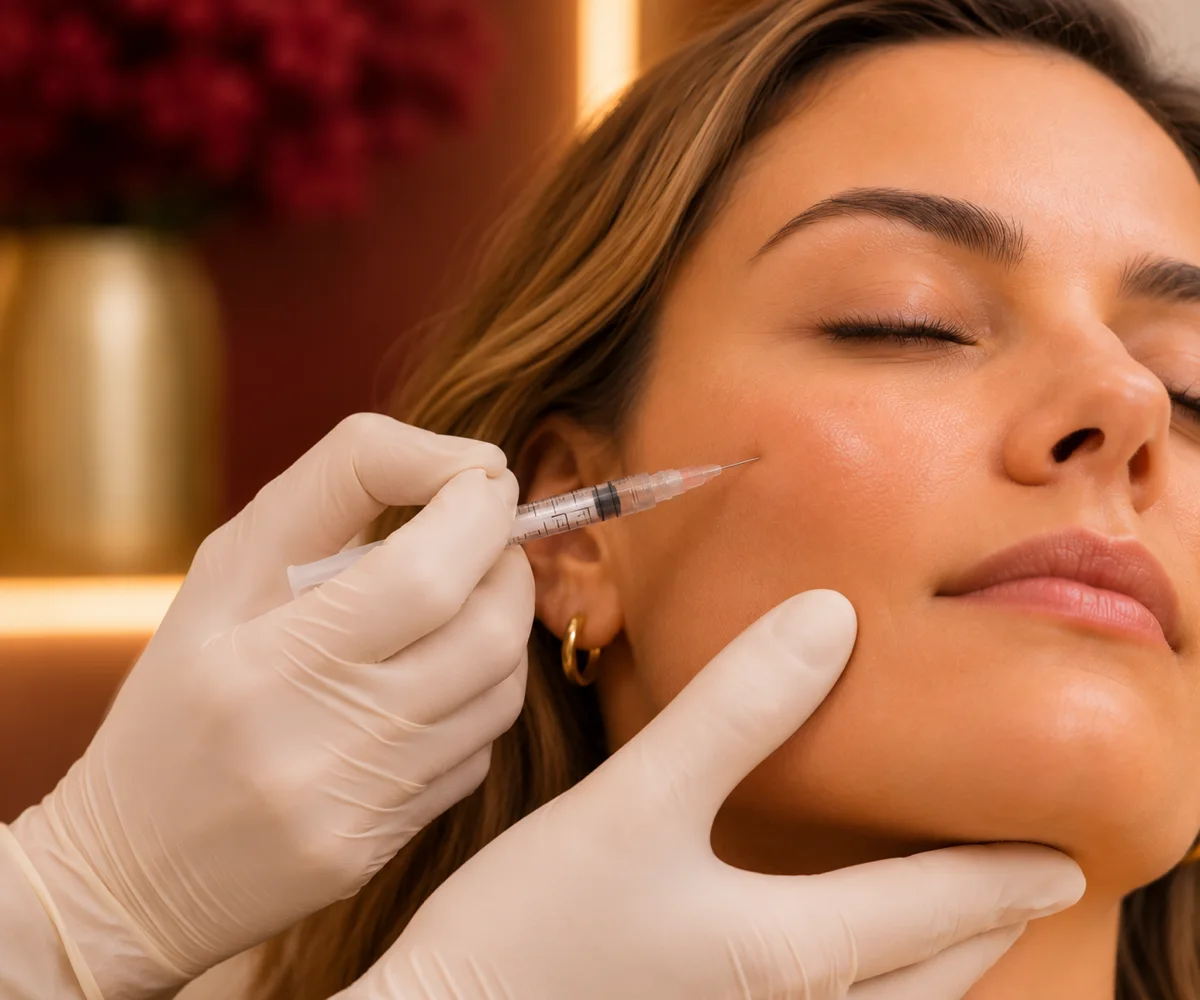
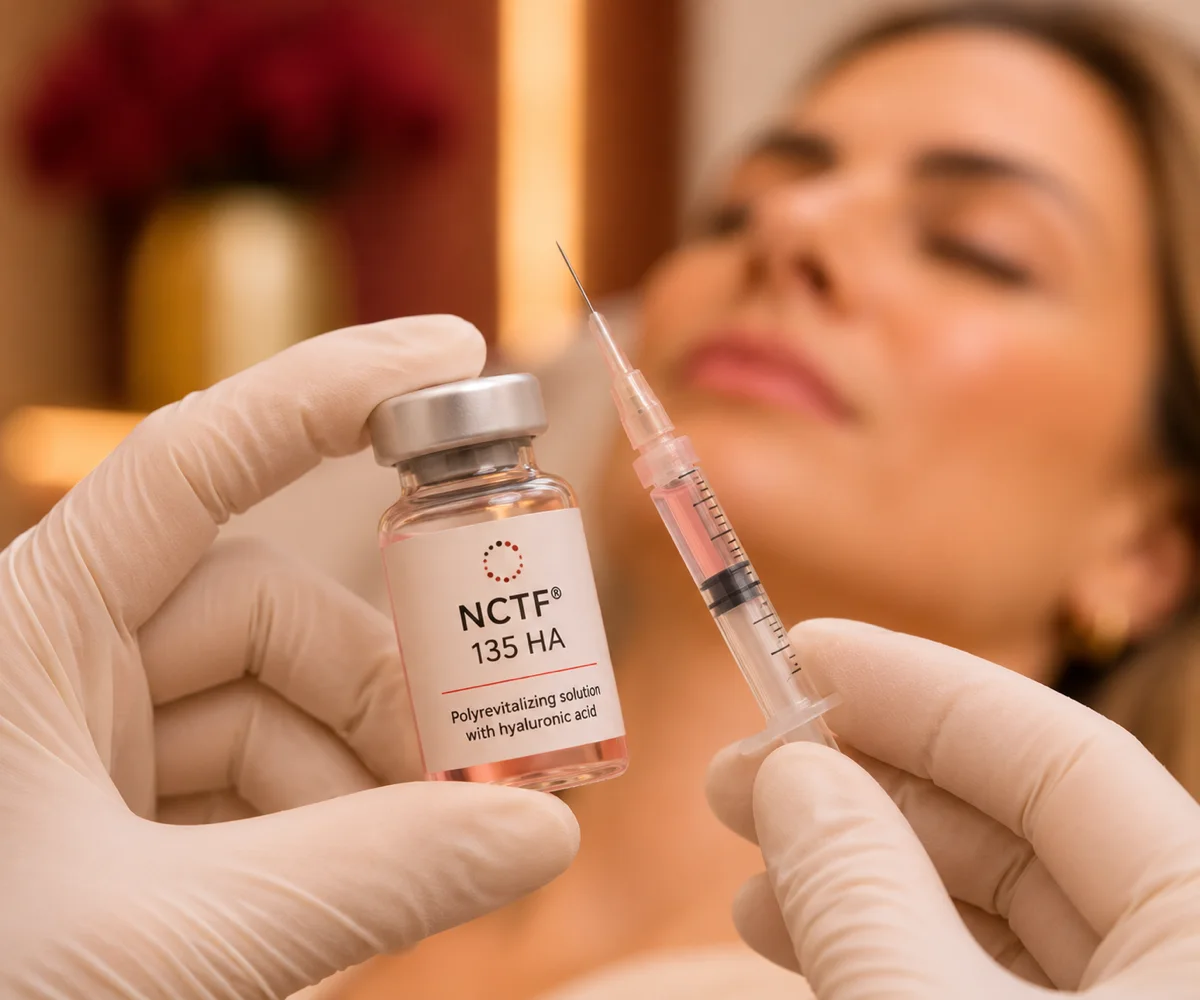
First the skin is assessed and calmed. Only when it is calm, without dermatitis, rosacea in a flare or infection, does the doctor consider options such as Skinbooster or NCTF, for hydration and skin quality, warning that they do not treat the sensitivity itself. Photobiodynamic therapy, because it uses light on a photosensitising substance, can cause stinging, redness and pain, so it is the one that calls for the most caution in reactive skin. In any case, a test on a small area can be done first, and results are variable and generally temporary.
Can an aesthetic treatment make sensitive skin worse?
It can. Any procedure causes some degree of irritation: injections leave pinpricks, redness, small swellings and bruising for days, and light can cause stinging and redness. In skin that is already reactive the reaction tends to be more intense, and there may be pigmentation or dermatitis afterwards. That is why treatment is avoided with irritated skin, with rosacea or eczema in a flare, or with an infection such as an active cold sore. Always tell the doctor that your skin is sensitive and which medicines you take, especially those that increase sensitivity to the sun.
What should I do if I have a severe reaction after treatment?
Contact the clinic immediately so that the doctor can assess, instead of treating on your own with creams you have at home. Book a consultation if there is intense redness, blisters, pus, growing swelling or increasing pain. If you have severe pain, pallor or darkening or purplish patches on the skin, changes in vision, a severe headache, weakness on one side of the face, sudden swelling of the face or shortness of breath, call 112 and contact the clinic that carried out the treatment. Out of hours, if in doubt, you can call SNS 24 (808 24 24 24).
When should I see a doctor first?
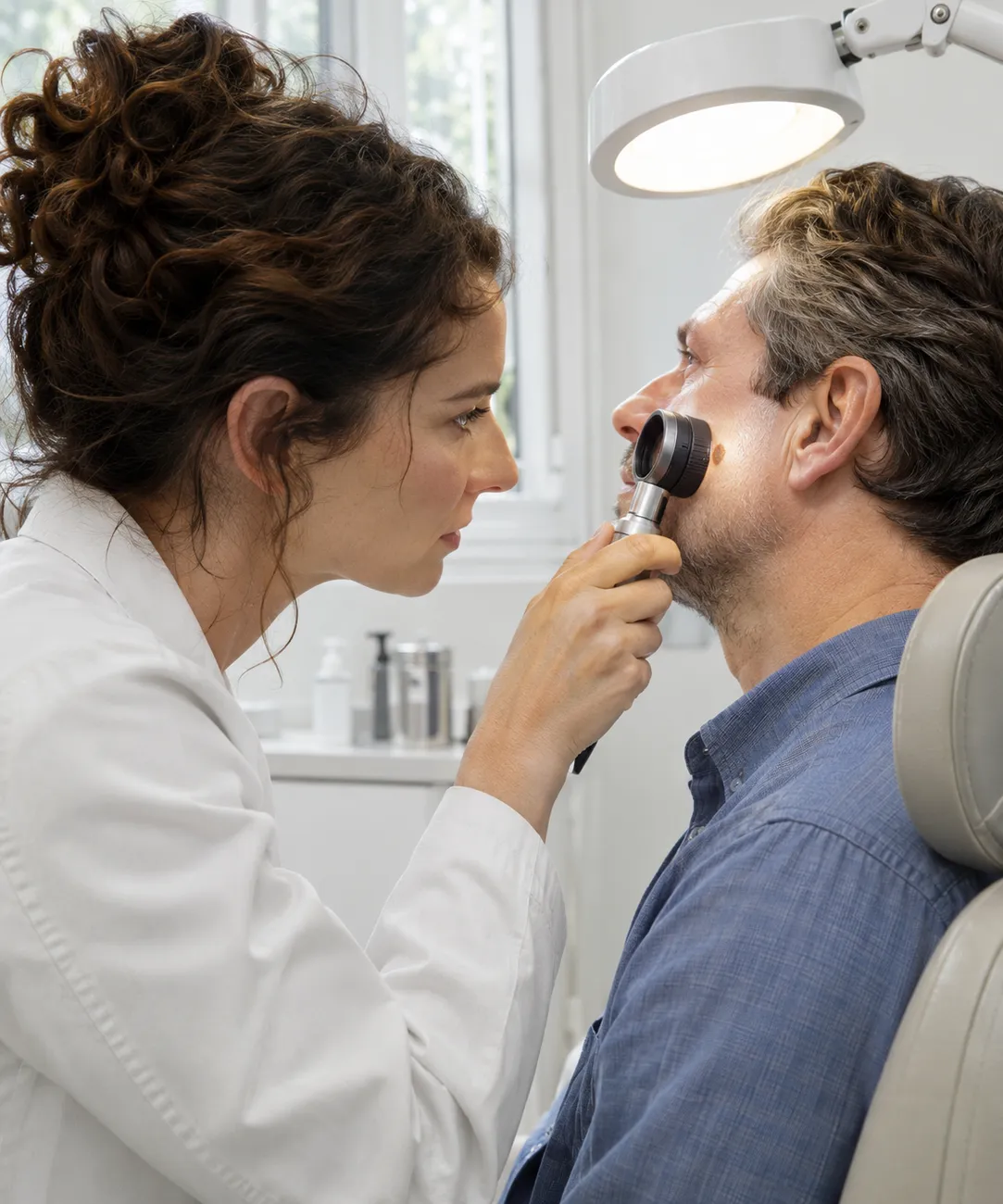
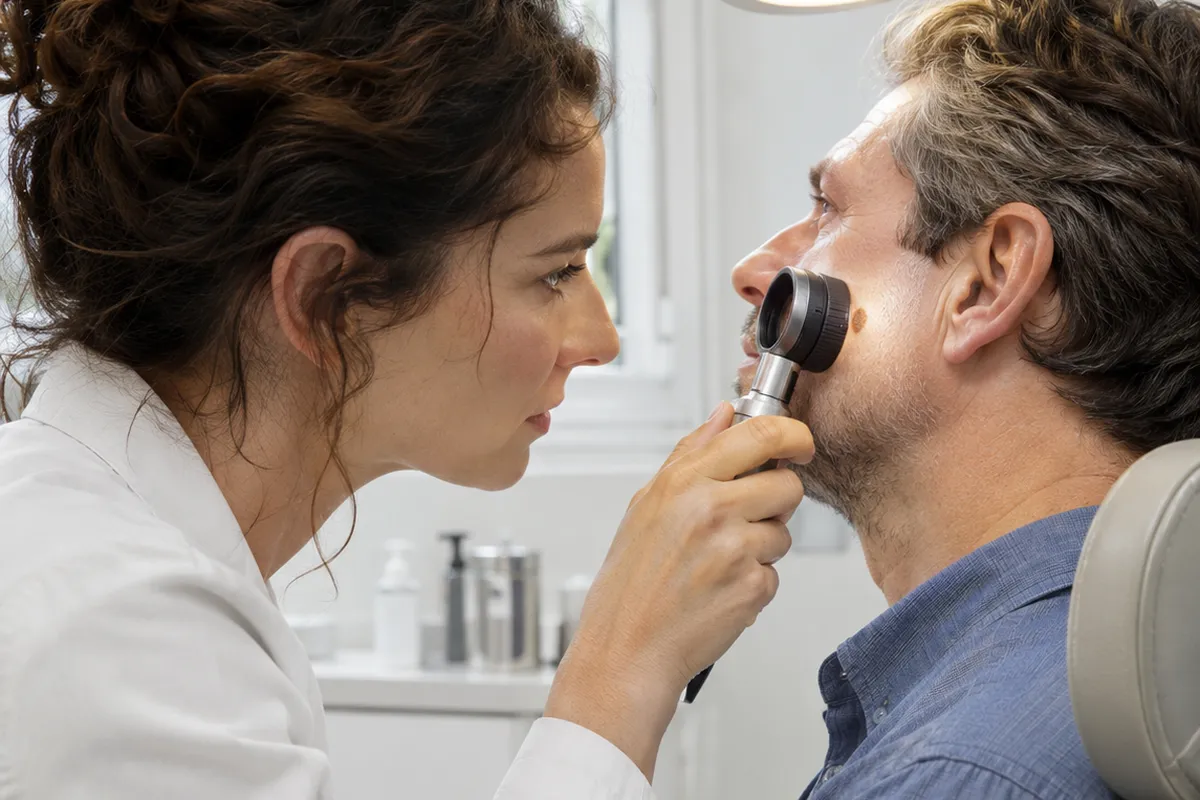
Book a consultation if the skin reacts quickly and extensively to a new product, if the reaction recurs, if it does not improve in a few weeks despite a simple routine, if there is repeated flushing with spots, small blood vessels or dry, itchy skin, or if even the gentlest products sting. Blisters or burning-type pain on one side of the face, especially near the eye, with fever, pain in the eye or blurred vision call for urgent examination. With sudden swelling of the face, lips or tongue, or shortness of breath, call 112. If in doubt, out of hours, call SNS 24 (808 24 24 24).