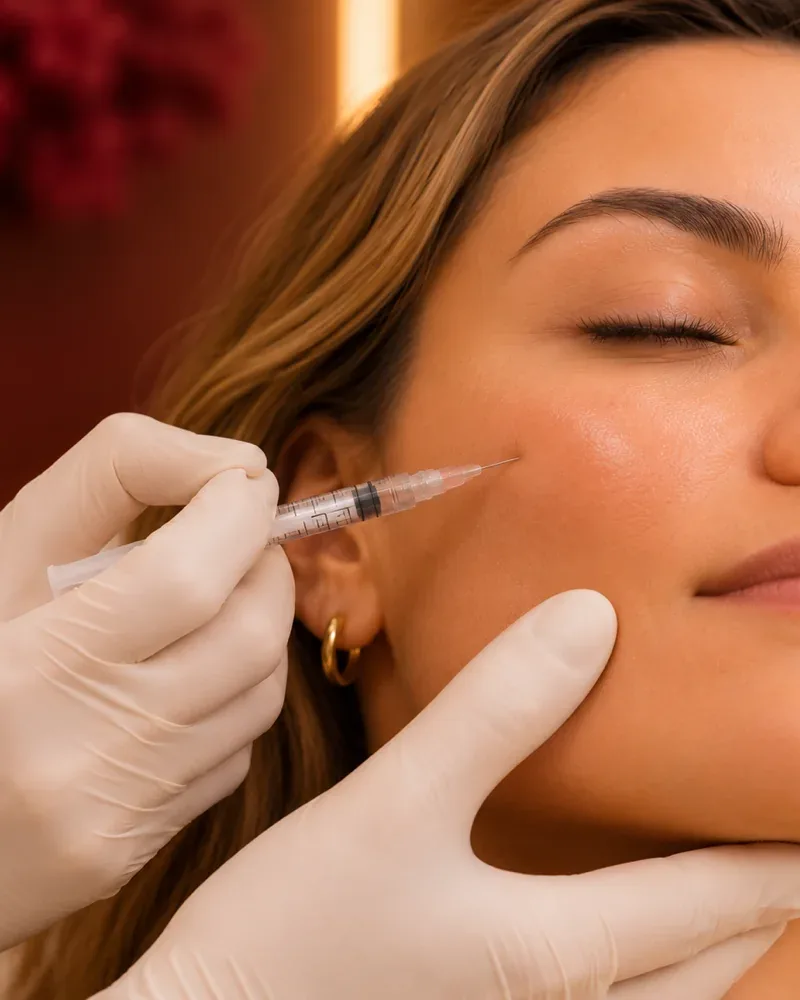
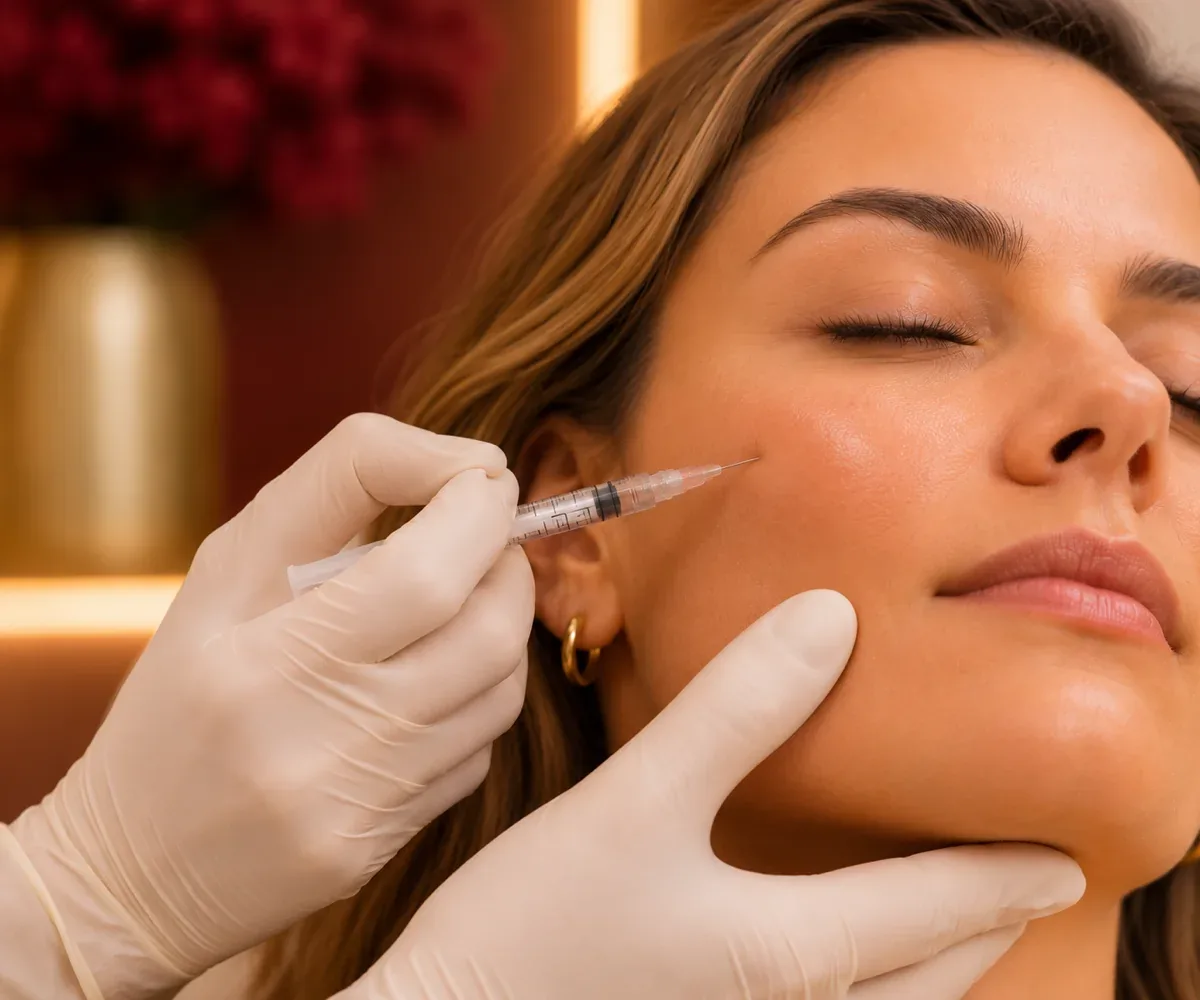
What is a skinbooster?
Also called injectable hydration or biorevitalisation, this is a treatment in which a fluid hyaluronic acid gel is injected into the dermis in microdroplets. Unlike a filler, it is not intended to add volume or fill deep wrinkles: the aim is to improve skin hydration, elasticity, texture and luminosity. A 2023 systematic review of 13 studies describes these improvements with a good safety profile, but the studies are small and larger trials are needed.
What is the difference between skinbooster and hyaluronic acid filler?
Filler uses a firmer, highly cross-linked gel that shapes and adds volume to an area of the face. Skinbooster uses a more fluid gel that spreads through the dermis and works on the quality of the skin itself. Those seeking volume, a lifting effect or treatment of a deep fold therefore have other options, and the doctor will explain which is best at the assessment.
What is Profhilo? Is it the same as a skinbooster?
Profhilo is the brand name of an injectable hyaluronic acid product that combines high- and low-molecular-weight molecules and is used for hydration and mild skin laxity. It is the same general type of treatment, but is not identical to all skinboosters, and the application techniques differ. A neck study involving 25 people and two sessions 30 days apart reported improvements in roughness and laxity, but the study is small and includes authors linked to the manufacturer. We do not claim that the clinic uses this brand: the product and brand are chosen at the assessment.
Skinbooster, NCTF, PDRN or HydroDelux: how do you choose?
These are four ways of revitalising the skin, and the choice depends on what the skin needs. Skinbooster is lightly cross-linked hyaluronic acid for hydration. NCTF is a solution containing hyaluronic acid and other substances, such as vitamins and minerals, to nourish the skin. PDRN, or polynucleotides, is intended to support skin regeneration, and a 2025 systematic review of nine low- to moderate-quality studies describes promising results but calls for better studies. HydroDelux by Neauvia is a deep hydration treatment offered by the clinic. There is no single best choice for everyone: the doctor recommends one and explains why, and sometimes they are combined in separate sessions.
Does it hurt?
Most people feel mild needle pricks and some pressure, which are more noticeable in delicate areas such as around the eyes and mouth. Topical anaesthetic may be used. Sensitivity varies from person to person, and the doctor adapts to your comfort.
How many sessions are needed, and what changes from one session to the next?
Usually 2 to 3 sessions about one month apart, followed by maintenance, but the number depends on the skin and is set at the assessment. An expert consensus states that effects can be visible after the first session and that texture continues to improve with subsequent sessions. In a study of three sessions four weeks apart, improvement was assessed for up to 36 weeks. We do not promise a particular before and after result: outcomes vary from person to person.
Can it be used on the hands and décolletage?
It may be considered. The skin on the backs of the hands, décolletage and neck is thin and highly exposed to the sun, and there are studies in these areas. In a study of 30 people, the skin improved in all three treated-side areas, but the improvement on the décolletage was no longer significant at 36 weeks, showing that the response varies by area. At the assessment, the doctor tells you what is realistic and how to combine it with sunscreen and home care.
Can I combine it with other treatments?
It can, when appropriate, for example with botulinum toxin, laser or peels, in separate sessions with the right interval. The order and spacing are set by the doctor to avoid overloading the skin.
When will I see results and how long do they last?
The skin may become more hydrated in the first few weeks, and the effect builds over the sessions. Duration varies: hyaluronic acid is broken down by the body, so the effect is not permanent. Expert consensus refers to maintenance spaced several months apart, and the doctor will tell you how often it is appropriate.
What evidence is there? Does it really work?
Studies describe improvements in hydration, firmness, texture and radiance, and one controlled trial found that an injected product used alongside a cream outperformed the cream alone. However, the studies are small, use different products and many are funded by manufacturers, while the authors themselves call for larger trials. Results therefore vary and the evidence is limited, and the doctor will assess with you whether it is appropriate.
What are the risks and side effects?
The most frequent effects are mild and temporary: redness, swelling, small raised areas and bruising. Uncommon: herpes reactivation. Rare: infection and nodules, and delayed reactions, described mainly with hyaluronic acid fillers. If you have severe pain, pus, fever, spreading redness or increasing swelling, contact the clinic and, if it is serious, call 112; outside opening hours, you can call SNS 24 (808 24 24 24).
Who should not have it?
Anyone who is pregnant or breastfeeding, has an infection, active herpes or inflammatory acne in the area, active autoimmune disease, a known allergy to the ingredients, or a skin lesion that has changed. Anyone taking anticoagulants may have more bruising. The doctor assesses each case.
Is skinbooster better than using moisturising creams?
They do different things and are not rivals. Creams are the basis of a skincare routine, involve no needles or recovery, and Clínica Luxmed does not provide them as a treatment. A skinbooster reaches the dermis and, in one trial, an injectable product with cream gave a better result than cream alone, but it requires sessions, has rare risks and does not replace home care. If the skin is only slightly dry, a good routine may be enough, and we will tell you this at the assessment.
Is an assessment needed first? Is there a charge?
Yes. All treatments at Clínica Luxmed begin with an assessment consultation with the doctor, where we work out whether the treatment makes sense for you. The cost of the assessment is deducted if you decide to go ahead with the treatment.
How do I prepare for the session?
Come with clean skin and preferably without make-up. Mention any changes in your health or medication since the assessment, recent herpes, recent dental treatment and allergies. Do not stop any medication without speaking to the doctor who prescribed it.
Can I work and carry on with my normal life afterwards?
Many people resume their normal activities the same day or the next, while the skin is still slightly pink and sometimes has small bumps that settle within hours or a few days. Use sunscreen every day. If you have an important event, mention it at the assessment so that we can plan the sessions.