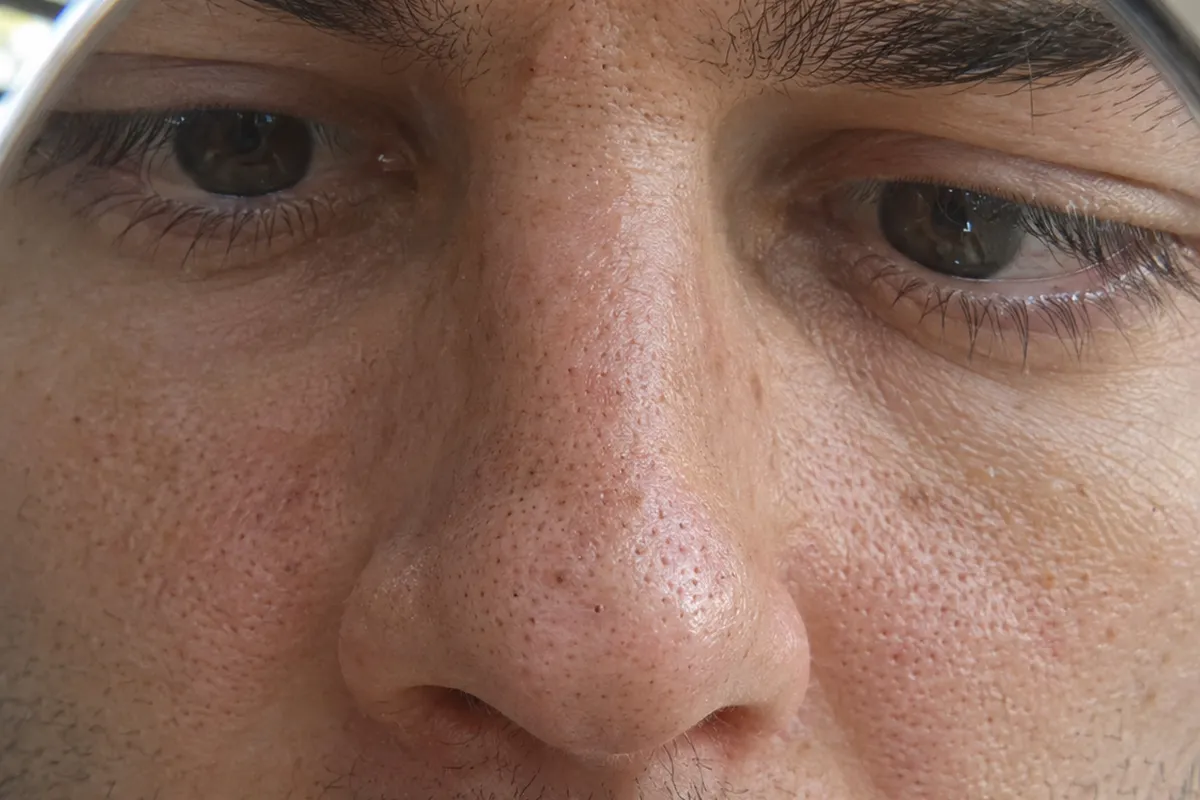
What is radiofrequency microneedling?
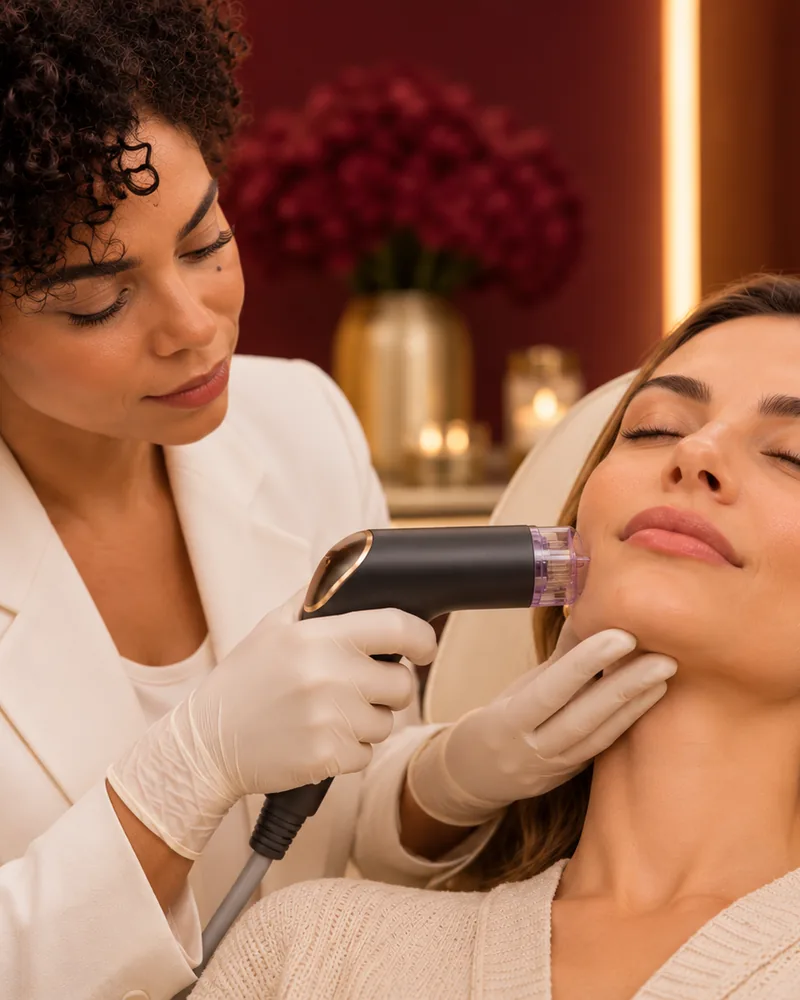
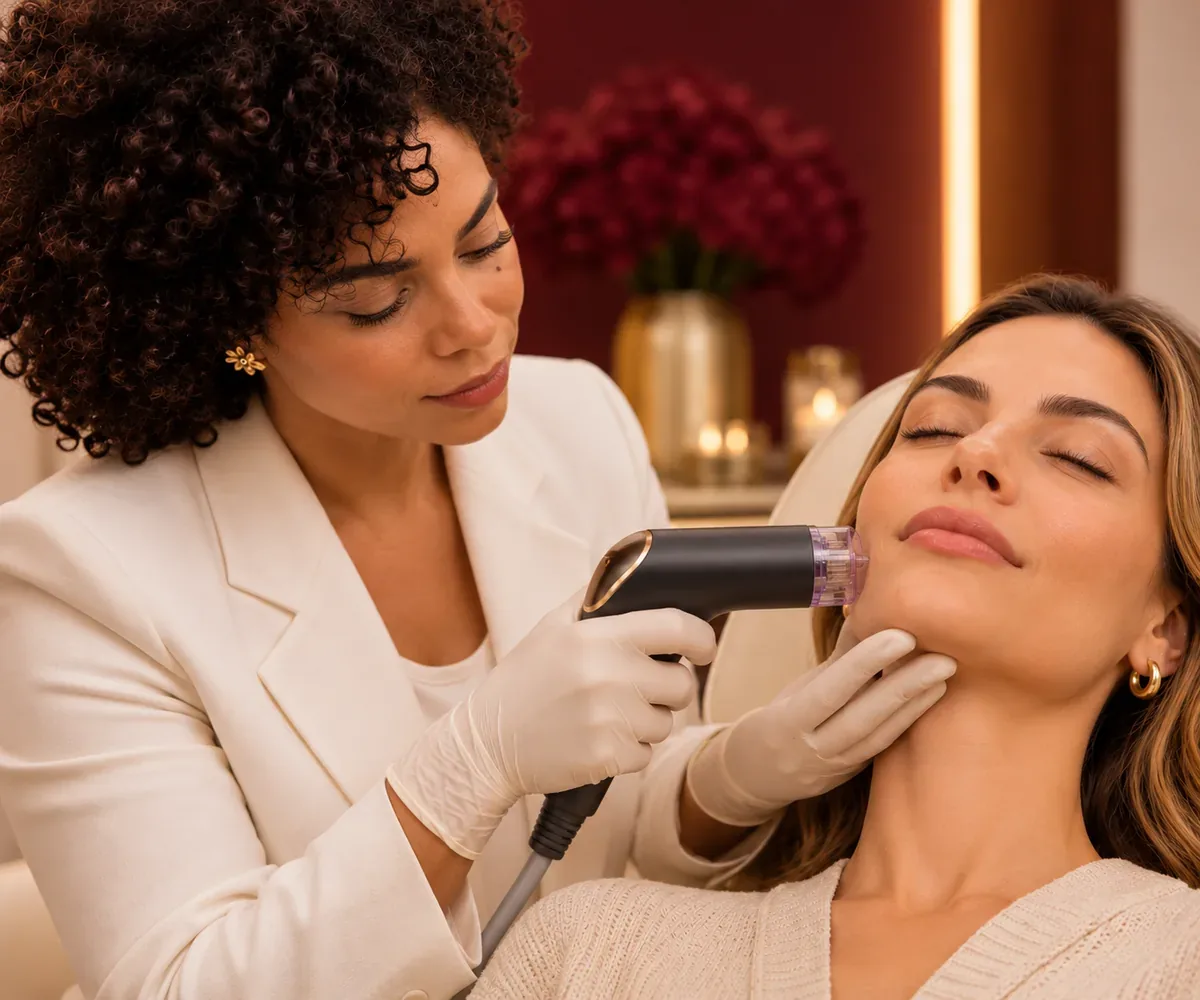
Also called RF microneedling or microneedling with radiofrequency, this treatment combines microneedles and radiofrequency. The very fine needles enter the skin and release radiofrequency energy into the dermis, heating it in a controlled way. The heat stimulates collagen and elastin production and skin remodelling, which may gradually improve firmness, texture, pores and some scars.
Is there a difference between devices from different brands, such as Morpheus8?
There are several radiofrequency microneedling devices from different brands, and Morpheus8 is one of the best known. The technique is of the same type, but the equipment used at Luxmed is different and is not associated with those brands. We therefore do not claim that the results are the same as those of a specific device: they depend on the equipment, settings, area and each person’s skin. At the assessment, the doctor explains what is realistic with the clinic’s equipment.
How does it differ from standard microneedling?
In standard microneedling, the needles create micro-injuries that stimulate the skin through mechanical action alone. In radiofrequency microneedling, the needles also release heat deep in the skin, contracting existing collagen and stimulating new collagen. The effect on firmness is generally greater, but the choice between the two techniques depends on what is to be treated and is made at the assessment.
How does it differ from needle-free radiofrequency and HIFU?
Needle-free radiofrequency heats the skin through the surface; with radiofrequency microneedling, energy is delivered directly into the dermis through the needles. HIFU uses focused ultrasound at an even greater depth, mainly for lifting. Each technique has its indications, and the doctor explains which is appropriate in your case, or whether combining them is appropriate.
What about a surgical facelift?
These options are different in nature. A surgical facelift removes excess skin and gives a greater, longer-lasting effect, but involves surgery, anaesthesia and a recovery of several weeks. Radiofrequency microneedling is non-surgical, with a recovery of a few days; it also improves texture, pores and scars, and gives a more moderate, gradual effect. Clínica Luxmed does not perform surgery: if the doctor considers surgery the best option for you at the assessment, she will tell you.
Does it hurt?
With topical anaesthetic, most people feel heat and tolerable discomfort, more noticeable over bony areas such as the forehead, temples and jawline. Sensitivity varies from person to person, and the doctor adjusts the energy to your comfort.
How long does each session take and how many are needed?
Each session generally takes 20 to 40 minutes, plus the time for the topical anaesthetic. The usual protocol is 3 sessions about 4 weeks apart, but the number and interval depend on what is to be treated and the skin’s response, and are determined at the assessment.
Can I combine it with other treatments?
It can, when appropriate, for example with peels or a skinbooster, in separate sessions with the correct interval. The order and spacing are determined by the doctor so as not to overload the skin.
When will I see results?
Some people notice improvement within weeks, but the full result develops over 3 to 6 months because new collagen takes time to form. A 2021 critical review reported that improvement continues for at least six months after treatment.
Are the results permanent?
No. Results are gradual and vary from person to person, and the skin continues to age. Maintenance helps preserve them, and the doctor tells you how often this is appropriate. It does not replace surgery when there is considerable excess skin.
What are the risks and side effects?
Common, mild effects are redness, swelling and small grid-like marks, which disappear within days. Uncommon: temporary pigmentation changes, acne and herpes reactivation. Rare: burns or scarring when the settings are unsuitable. If you have severe pain, pus, fever or spreading redness, contact the clinic and, if it is serious, call 112; outside opening hours, you can call SNS 24 (808 24 24 24).
Can it be performed on brown or black skin?
It may be considered, and this is one of the advantages of this technique over ablative lasers, because the skin surface is less affected. The risk of pigmentation changes is not zero, so the settings are chosen carefully and assessment is essential.
Who should not have it?
People who are pregnant or breastfeeding, or who have a pacemaker or other electronic implants, an infection, active herpes or inflammatory acne in the area, or recent fillers or isotretinoin treatment, depending on the assessment. The doctor explains each case.
Is an assessment needed first? Is there a charge?
Yes. All treatments at Clínica Luxmed begin with an assessment consultation with the doctor, where we work out whether the treatment makes sense for you. The cost of the assessment is deducted if you decide to go ahead with the treatment.
How do I prepare for the session?
Come with clean skin and preferably without make-up. Avoid intense sun, artificial tanning and irritating products (such as acids and retinoids) in the preceding days if the doctor advises this. Tell us about any changes in your health or medication since the assessment.
Can I work and carry on with my normal life afterwards?
Many people return to work the next day, while the skin is still pink. Avoid sun, intense heat and exfoliants during the first week and use sunscreen every day. If you have an important event, mention it at the assessment so that we can plan the sessions.