What is microneedling?
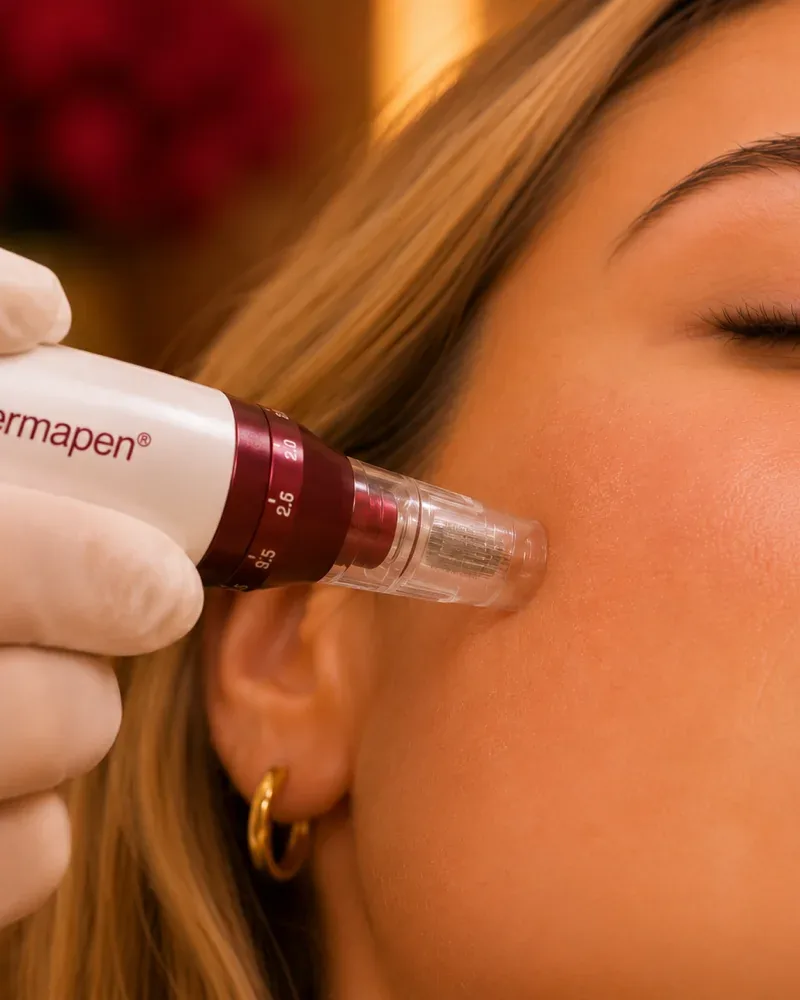
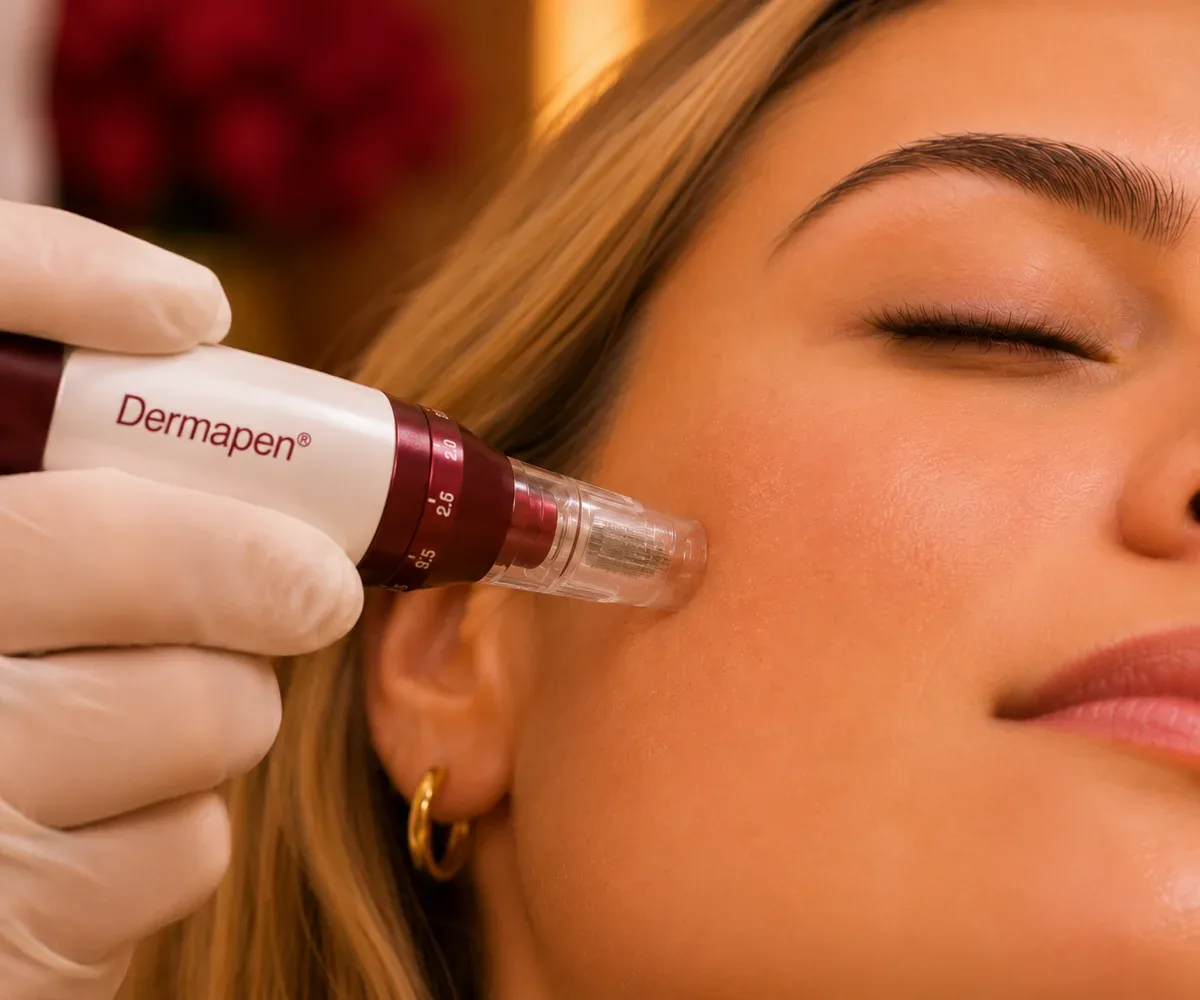
This treatment uses a pen with very fine needles to create controlled micro-injuries in the skin. The body responds with a repair process that stimulates the production of collagen and elastic fibres, which can gradually improve skin texture, some scars, stretch marks and fine lines. It is also called percutaneous collagen induction.
How does it differ from radiofrequency microneedling and a Skinbooster?
Microneedling acts solely through the mechanical effect of the needles, without heat. In radiofrequency microneedling, the needles also release radiofrequency energy into the dermis, providing a greater firming effect. A Skinbooster is another technique: it injects hyaluronic acid into the skin to hydrate it. Each has its own indications, and at the assessment the doctor explains which is suitable or whether they can be combined.
What concerns can it treat?
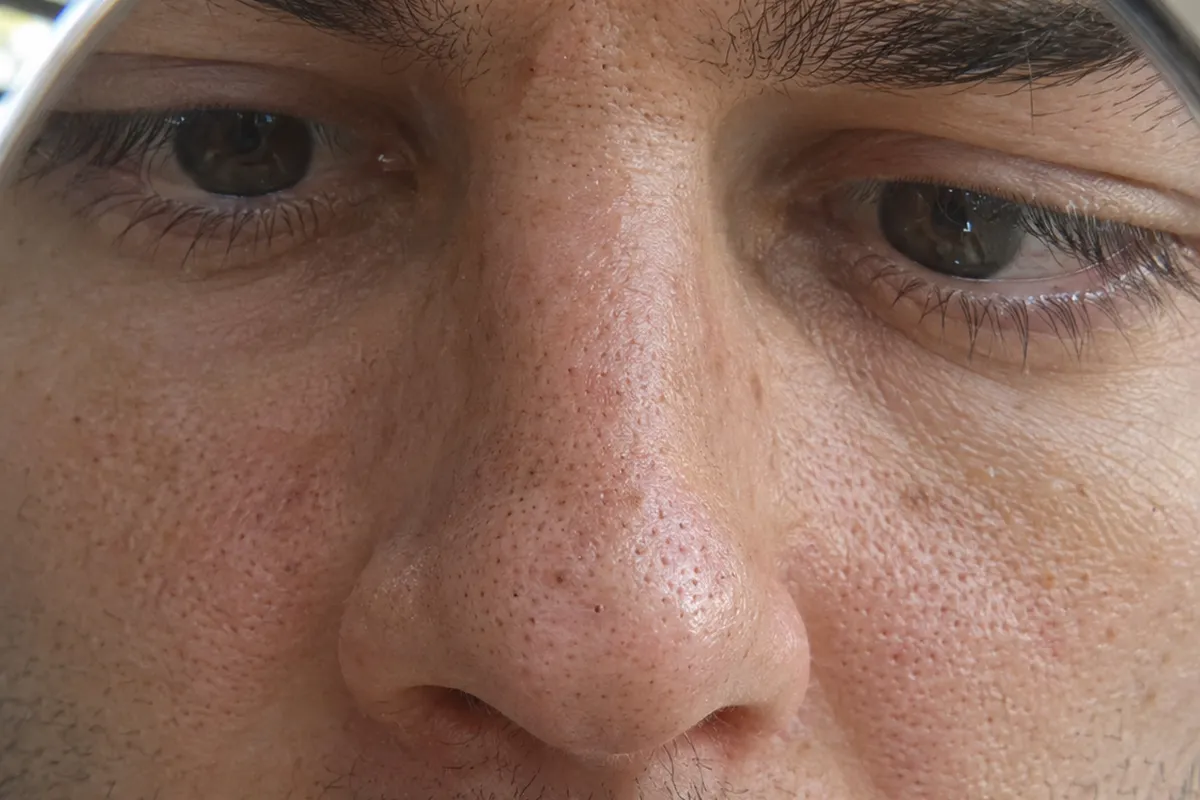
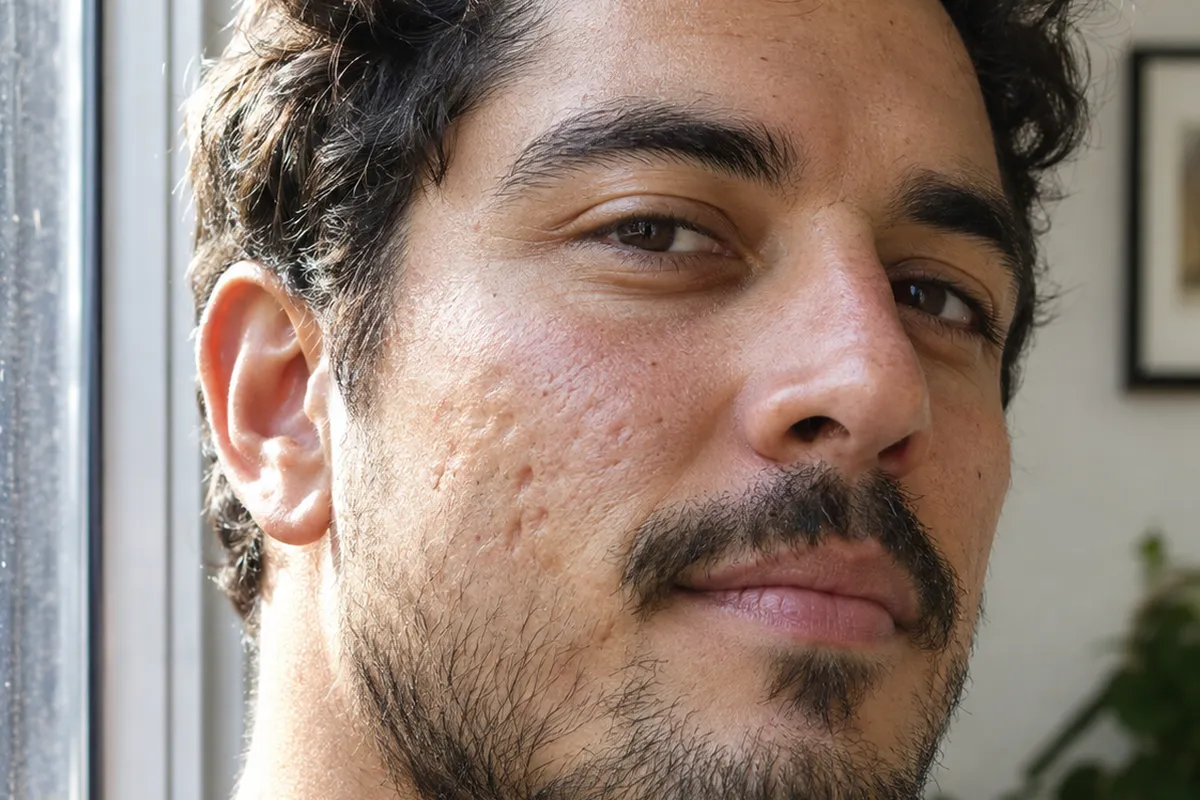
It has the strongest support for atrophic acne scars, uneven texture and fine lines, and is also used for enlarged pores and stretch marks, with variable results. Evidence for blemishes and melasma is more limited, so it is used cautiously and usually in combination with other options. At the assessment, the doctor explains what is realistic in your case.
Does it hurt?
With topical anaesthesia, most people mainly feel mild discomfort, which is more noticeable over bony areas such as the forehead and jawline. Sensitivity varies, and the doctor adjusts your comfort throughout the session.
How long does each session take and how many are needed?
Each session usually takes 20 to 30 minutes, plus the time for topical anaesthesia. Several sessions are normally performed a few weeks apart, but the number and interval depend on what is being treated and how the skin responds, and are set at the assessment. A 2017 review notes that studies are still needed to establish the ideal frequency and interval.
What will my face look like in the following days? (before and after)
On day 1, the skin is red and warm, like mild sunburn. On days 2 and 3, the redness subsides and there may be dryness or slight peeling. A 2021 review indicates that the most common temporary effects, such as redness, swelling and pain, last up to 7 days. The improvement in texture appears later, over weeks and months, and is not the same for everyone.
What should I use and what should I avoid afterwards?
For the first few days, gentle cleansing, moisturiser and sunscreen are advisable. Avoid make-up for the first 24 hours, as well as strenuous exercise, saunas and acids for a few days. Do not apply serums or cosmetic products that are not designed for use immediately afterwards, because the skin is more permeable. The doctor will recommend the products suited to your case.
Can I combine it with other treatments?
It can be combined when appropriate, for example with peels, radiofrequency microneedling or platelet-rich plasma, in sessions planned by the doctor. Studies suggest an additional benefit for acne scars with platelet-rich plasma, but the evidence varies, so the decision is made case by case.
When will I see results? Are they permanent?
Improvement is gradual and becomes noticeable over weeks and months, across several sessions. Results vary from person to person and are not permanent because the skin continues to age. The doctor will tell you whether maintenance is appropriate.
What are the risks and side effects?
Common mild effects are redness, warmth, dryness and flaking, which pass within a few days. Less common effects include temporary dark marks, reactivation of herpes and acne. Rare but important effects include ‘tram-track’ scars, persistent marks and granulomatous reactions, especially when products not intended for the dermis are applied to the skin. If you develop severe pain, pus, fever or spreading redness, contact the clinic and, if it is serious, call 112; outside opening hours, you can call SNS 24 (808 24 24 24).
Can it be done on brown or black skin? And in summer?
It may be considered, and this is one advantage of microneedling over ablative lasers because the skin surface is less damaged. However, the risk of dark marks (hyperpigmentation) is higher in darker skin, so an assessment is essential. It can be performed in summer with strict sun protection, although for skin prone to marks it is preferable to treat outside the sunniest months.
Who cannot have microneedling?
Anyone with an infection, active herpes or inflammatory acne in the area; anyone who is pregnant, takes or has recently taken oral isotretinoin, has a tendency to develop keloids, a metal allergy or an active skin condition in the area. Anyone taking medication that affects clotting should also mention it. The doctor assesses each case at the assessment consultation.
Microneedling at the clinic, a dermaroller or a pen at home: what is the difference?
At the clinic, the doctor assesses the skin beforehand, uses disposable needles, adjusts the depth for each area and uses suitable sterile products. At-home devices generally have shorter needles, are reused and are difficult to keep sterile between uses; their effect tends to be milder. The main advantage of home use is convenience and lower initial cost. Facial granulomatous reactions have been reported after microneedling with unsuitable serums, and home use does not replace medical treatment for scars or stretch marks.
Is an assessment needed first? Is there a charge?
Yes. All treatments at Clínica Luxmed begin with an assessment consultation with the doctor, where we work out whether the treatment makes sense for you. The cost of the assessment is deducted if you decide to go ahead with the treatment.
How do I prepare for the session?
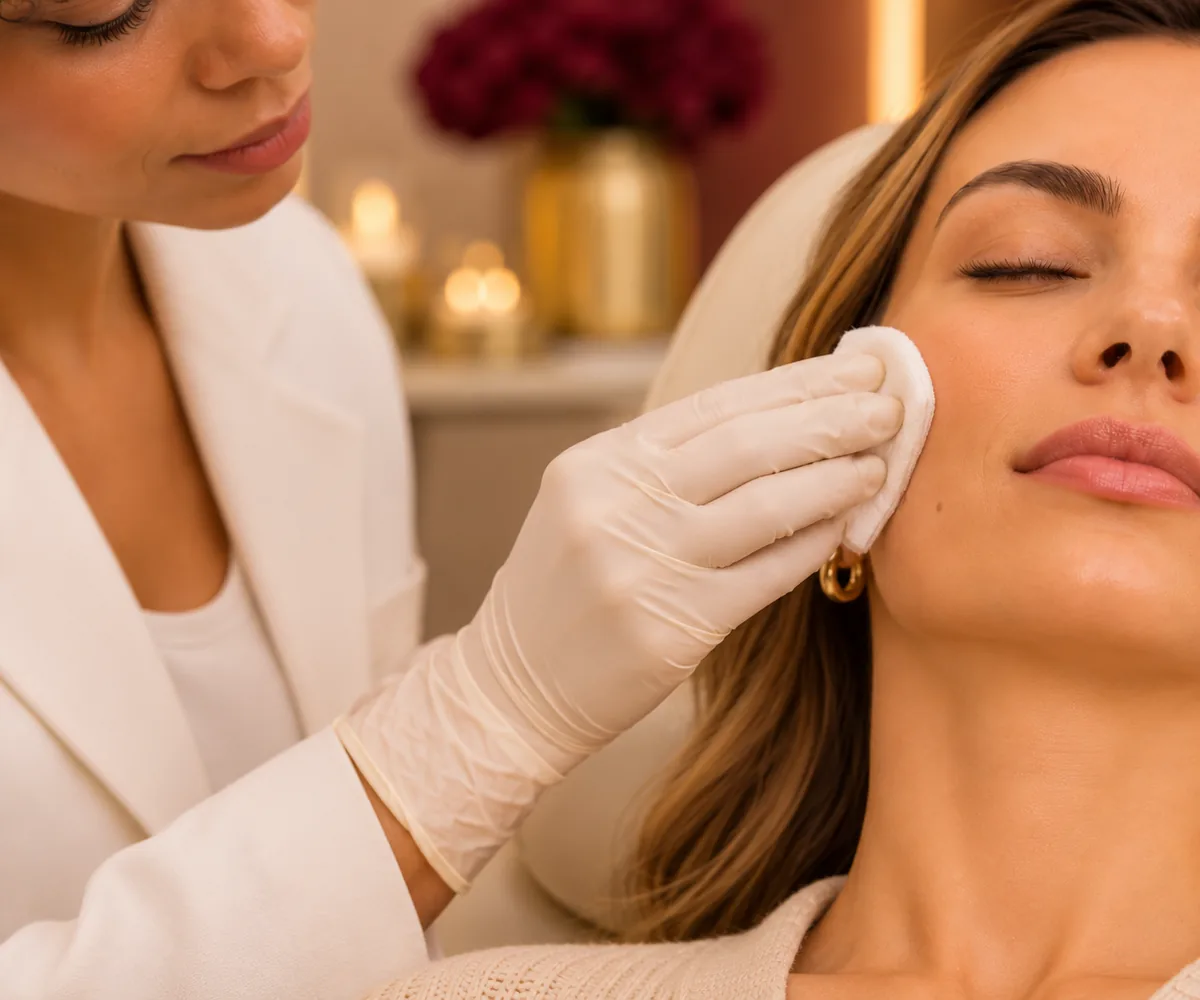
Come with clean skin and preferably without make-up. Avoid intense sun, sunbeds and irritating products such as acids and retinoids in the preceding days if the doctor advises this. Report any change in your health or medication since the assessment, and any recent herpes.
Can I work and carry on with my normal life afterwards?
Many people return to their routine quickly, with pink skin for the first few days. Avoid the sun, intense heat, saunas and strenuous exercise for a few days, and use sunscreen every day. If you have an important event, mention it at the assessment so that the sessions can be planned.