What is manual lymphatic drainage?
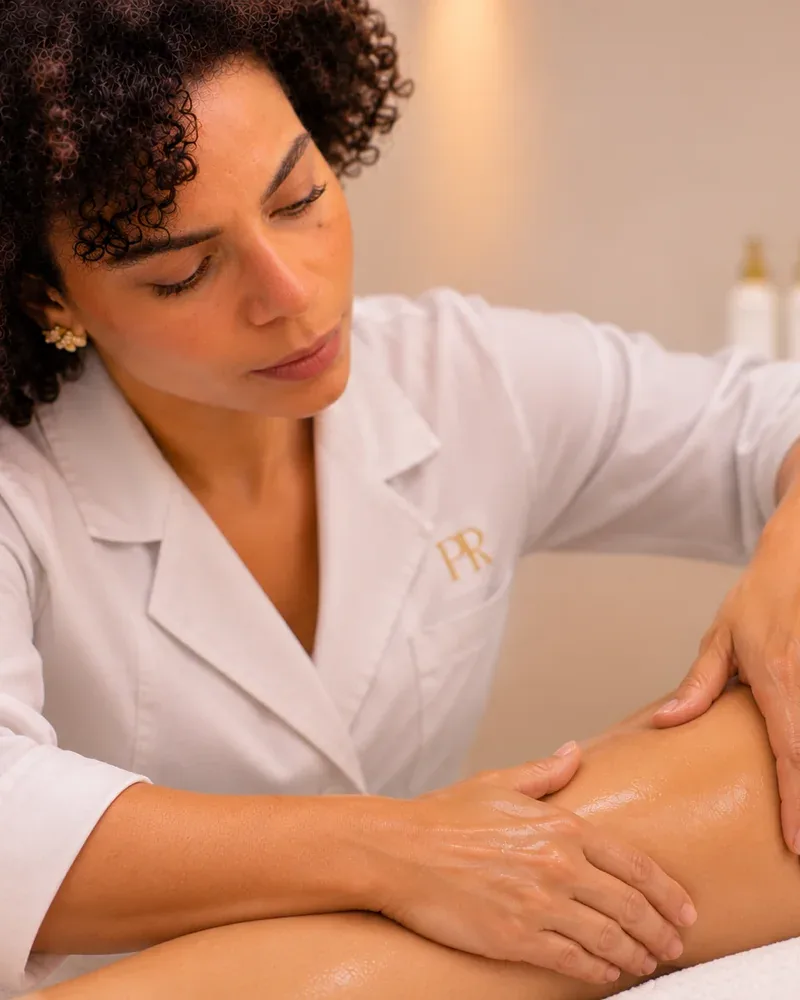
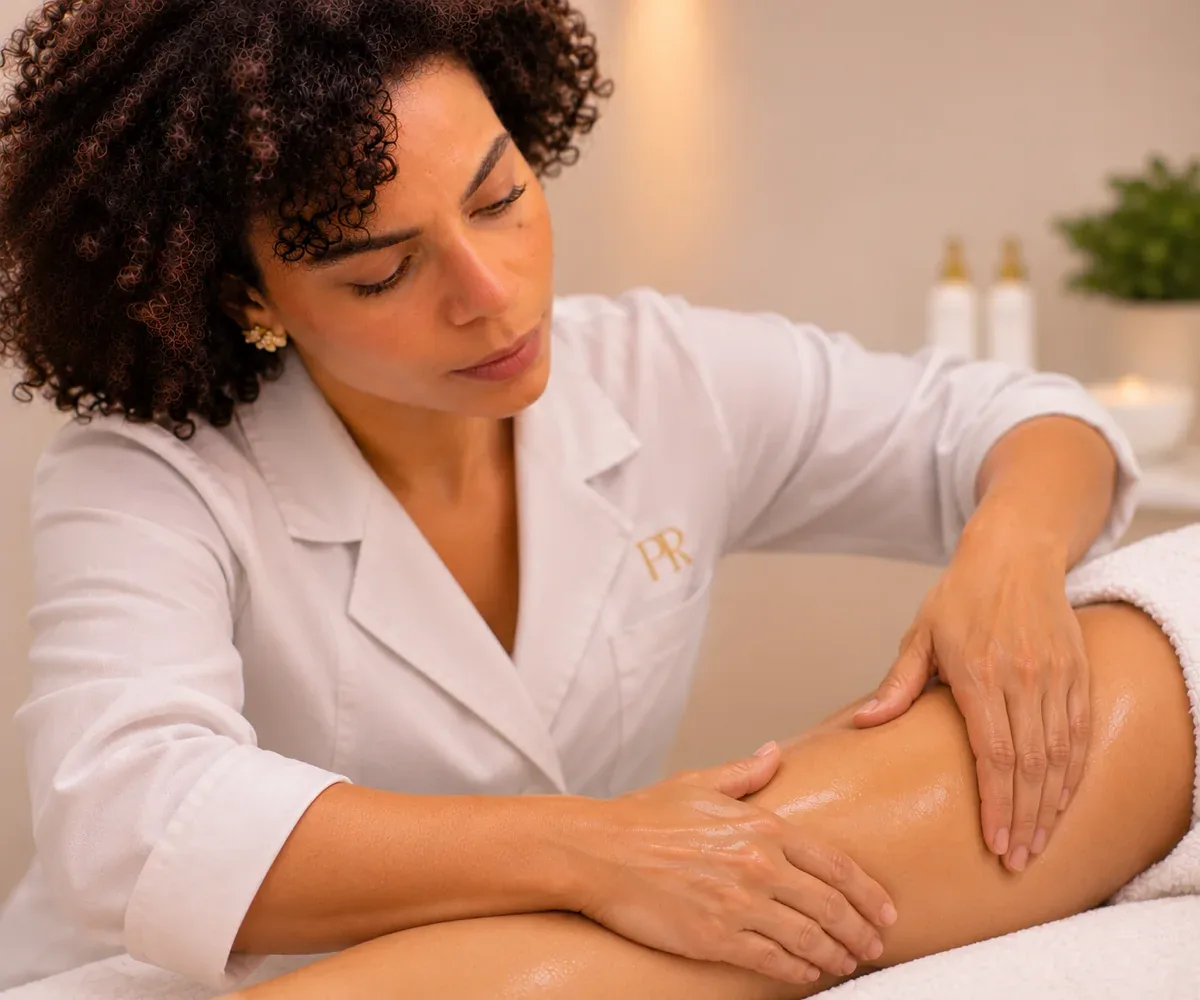
It is a gentle massage performed entirely by hand, using slow, rhythmic movements that follow the direction of lymph flow. It is intended to help move fluid that has accumulated in the tissues and relieve swelling and a feeling of heaviness. It is neither a relaxation massage nor a firm massage, and it does not treat the cause of the swelling, which the doctor assesses first.
What is the difference between lymphatic drainage and body-contouring massage?
Drainage uses very light pressure to follow the flow of lymph. Body-contouring massage uses firmer movements, also performed manually, to mobilise the tissues. They may be combined at the clinic, and the doctor will determine the proportion after the assessment, according to the reason for your visit and the area.
Does body-contouring massage help you lose weight or reduce measurements?
No. It is not a weight-loss treatment and does not dissolve fat, and the clinic does not promise a reduction in measurements. It may provide a feeling of lightness when there is fluid retention and improve the appearance of the skin. If fat is your concern, the doctor will explain during the assessment what other options are available and whether they are appropriate in your case.
What about compression stockings?
These are different and often complementary options. Compression works while it is being worn during the day and is the cornerstone of treatment for lymphoedema and many venous diseases. Manual drainage works during the sessions, is gentler and may provide symptomatic relief, but the evidence is limited. The clinic does not supply stockings or provide compression as a service: if the doctor considers compression the most suitable option for you, they will tell you, even if that means not proceeding.
Does drainage help with heavy, swollen legs and fluid retention?
It may provide relief for some people, but the effect is mainly temporary and, if the cause persists, the swelling returns. In a Portuguese trial involving 41 people with chronic venous insufficiency, ten sessions over four weeks improved heaviness, fatigue and symptoms, but not leg volume (Crisóstomo et al., 2015). A 2018 review concluded that the effect on quality of life in chronic oedema is uncertain. Drainage is only considered after the doctor has ruled out thrombosis, infection, and heart or kidney disease. Swelling in only one leg, particularly when painful or warm, requires medical assessment before any massage.
Does drainage help with lipedema?
It can relieve the heaviness, pain and swelling that often accompany lipoedema, and forms part of the complex physical therapy described in the 2017 German guidelines, alongside compression, exercise and skin care. However, it does not treat the condition, eliminate lipoedema tissue or cause weight loss. Lipoedema is a disorder of adipose tissue that is distinct from obesity and lymphoedema, and diagnosis and treatment planning require medical assessment. The doctor will assess with you what may help and when a referral is appropriate.
Can I have lymphatic drainage during pregnancy and after giving birth?
It may be considered, but only after consulting the doctor, who will assess your situation. Certain areas and techniques are avoided, and it is not performed in cases of thrombosis, infection or other conditions identified by the doctor. During pregnancy, sudden swelling of the face or hands, a severe headache or changes in vision require immediate contact with your maternity care team, not massage. Specific evidence is limited, so the decision is made on an individual basis.
After liposuction or other surgery, when can I start and how many sessions are needed?
It depends on the surgeon, and the clinic does not give fixed time frames. Drainage forms part of the follow-up plan established with the surgical team and is only performed with the surgeon's permission, after seroma, haematoma, infection and thrombosis have been ruled out. In a 2026 systematic review of seven studies, manual drainage reduced swelling, with a variable effect on pain and inconsistent results for fibrosis, and the best results were seen when it was started early and between 6 and 12 sessions were performed. This is why your protocol will be the one established for you by the surgeon and the doctor.
How many sessions are needed, and at what intervals?
The number of sessions and the interval between them are determined by the doctor after the assessment and depend on the reason for treatment, the area and the response. Regimens vary widely in published studies: for example, ten sessions over four weeks in a trial involving chronic venous insufficiency. Between sessions, the doctor reassesses and adjusts the plan.
What happens during a session? Does it hurt?
It should not hurt. The pressure is light and the movements are slow, and most people find it pleasant. In body contouring massage, the techniques are firmer, but remain within your tolerance. Always tell the massage therapist and the doctor if you experience pain, tingling or discomfort.
Is the massage performed with devices or just with the hands?
All massages at the clinic are performed manually and, when tools are used, they are hand-held, without mechanical or electrical devices. The doctor will explain at the assessment what is proposed for your case.
When will I see results and how long do they last?
Relief from heaviness and swelling is often felt within the following days, but the effect is mainly temporary when the cause persists. If the swelling is due to surgery, it tends to improve over time, with or without drainage. The doctor will tell you frankly what you can realistically expect and whether it makes sense to continue or stop.
What are the risks and side effects?
When indicated and performed correctly, drainage is well tolerated: in the trials analysed by Cochrane on arm lymphoedema, it was safe and well tolerated, and a 2026 review of postoperative use reported minimal adverse effects. Some people experience mild tiredness or tenderness in the area. The real risk is having it when it is contraindicated, for example in cases of thrombosis or infection, which is why an assessment is always required first. If you have a hot, painful and swollen leg, shortness of breath or chest pain, call 112; outside opening hours, you can call SNS 24 (808 24 24 24).
Who should not have it?
People with recent or suspected venous thrombosis, infection or erysipelas, uncontrolled heart or kidney failure, or new and unexplained swelling. For people who have or have had cancer, and after surgery, this is assessed on a case-by-case basis with their care team and surgeon. The doctor will explain each individual case.
Is an assessment needed first? Is there a charge?
Yes. All treatments at Clínica Luxmed begin with an assessment appointment with the doctor to determine the cause of the swelling and whether drainage is appropriate for you. The cost of the assessment is deducted if you decide to proceed with treatment.
How should I prepare and when can I return to my routine?
Wear comfortable clothing and tell the doctor if you have developed a fever, pain, a wound or new swelling, or started new medication since the assessment. If you have had surgery, bring your surgeon's instructions. You can generally return to your routine the same day, and keeping active usually helps. If you have an event coming up, mention it at the assessment so the doctor can plan the sessions.